


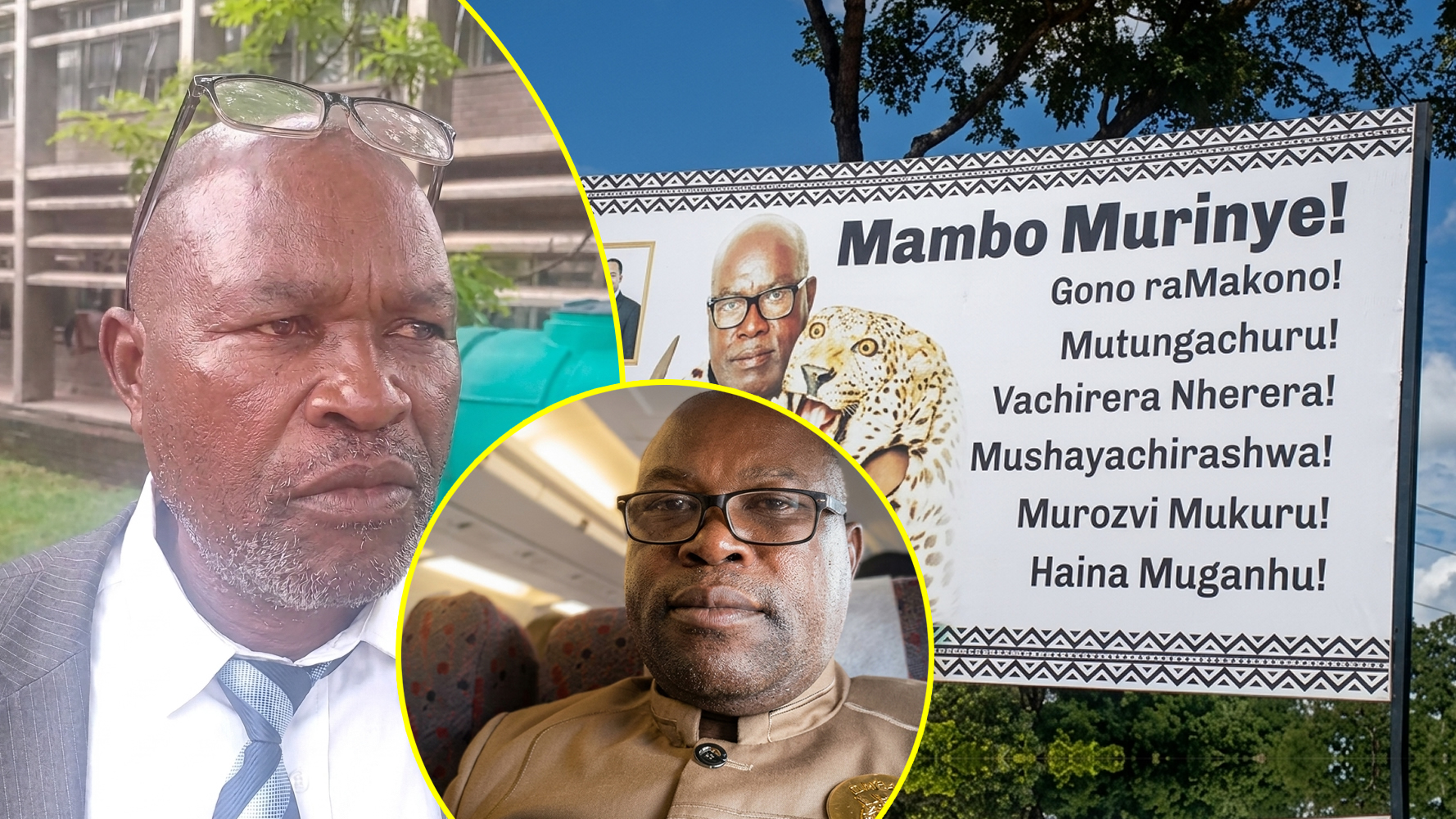
MASVINGO — A condolence visit to the homestead of a village head who had died ended in a confrontation on Saturday, November 7, when villagers in Boroma reportedly turned on Chief Murinye and forced him to leave.
The traditional leader, born Ephias Munodawafa, had gone to pay his respects following the death of Margaret Chako, a village head in an area under Chief Mugabe’s jurisdiction. But the visit took place against the backdrop of a bitter disagreement over land between Murinye and Chako, and resentment among villagers over what they viewed as an abuse of traditional authority.
A neighbour of Chako said the chief was attacked by villagers angered by his actions. “The chief was attacked by the whole village because people were bitter over his actions and what they viewed as an attempt to abuse his powers,” the neighbour said.
The neighbour said the dispute centred on a field claimed by Chako and her family. The late village head had clashed with Murinye over the land, which the chief reportedly claimed as part of his Zunde Ramambo, a community farming initiative. The disagreement had already reached the courts before Chako’s death.
Chief Mugabe said Murinye’s presence at the funeral was difficult to understand given the history between the two leaders and the deceased. “This issue is before the court, and he is the one who has taken this woman to court claiming that the area belongs to him, I do not know what he was doing at that funeral especially considering that he was the one who was dragging the deceased to court, he was supposed to show some respect instead of taking the law into his own hands,” said Chief Mugabe.
Murinye declined to discuss the confrontation when contacted. “I don’t have what you want,” he said before abruptly ending the call, without allowing this reporter to explain the purpose of the call.
A field dispute that reached court
The land row had become a source of open tension before Chako died. In March 2026, Chako, then reported to be 71, appeared in court over allegations that she had removed a fence erected on a piece of land claimed by Murinye as Zunde Ramambo. The fence was valued at US$2,400. Chako was reported to have said the land belonged to her late son. The case was postponed to March 10, 2026, according to details of the court case involving the disputed field.
The reported court dispute helps explain why a visit intended to offer condolences was met with anger. Chako was not simply a resident in the area: she was a village head who had been in conflict with the chief over land. At the funeral, the presence of both the chief and the family of the deceased brought the strained relationship into the open again.
The exact sequence of events at the homestead on Saturday was not detailed in the accounts available. The reports said the chief was confronted and driven away by villagers. A separate account described him as being pursued as he left. No additional comments from Murinye about what happened at the funeral were available after he ended the call.
Earlier funeral clashes
The incident is the latest in a series of reported clashes involving Murinye at funerals in Boroma. In June 2023, he went with 3 police officers to a funeral in Village 33B to stop mourners from burying Jairos Zindoga at a place he considered sacred. A confrontation followed, and the chief and the officers were assaulted. Murinye suffered bruising and a swollen eye, while police later announced the arrest of 4 villagers over the attack, as recounted in the initial police and funeral reports.
At the time, Murinye said the burial dispute was connected to a wider boundary disagreement with Chief Mugabe. He accused people from Mugabe’s area of trying to encroach on his jurisdiction. Mugabe rejected the accusation and said Murinye was the one encroaching on his area. The two leaders’ competing claims have continued to colour disputes over land and authority in Boroma.
A separate confrontation was reported in May 2024, when Murinye allegedly fired a shot into the air at a funeral in Boroma after warning mourners not to assault him again. One villager said people were frightened by the incident and worried about raising concerns with local leadership. Murinye declined to comment at the time, saying: “I will not give a comment on that matter.” The reported 2024 funeral incident also took place amid the wider boundary dispute.
The latest confrontation therefore comes after earlier funeral disputes in which arguments over burial sites, land and the chief’s authority spilled into public gatherings. Saturday’s case was different in that Murinye had arrived to offer condolences, but the dispute with Chako’s family and the wider conflict between the two chiefs remained unresolved in the community.
Graduation contributions add to scrutiny
Murinye confirmed that villagers were contributing, but said the decision was voluntary and had come from the communities. “Yes its true that villages are contributing US$20 for my graduation party. The decision to hold the party and make contributions was made by them,” he said.
Some village heads gave a different account, saying they had been instructed to collect the money and warned that villages which failed to raise it could be fined. Headman Chibwe, who was identified as having convened a meeting about the collection, confirmed that contributions were being gathered but said there would be no punishment for those who did not pay. The competing accounts over whether the payments were voluntary have put the collection under renewed public scrutiny. Details of the proposed contributions and the chief’s response put the amount at US$20 per village for the celebration and US$15 for transport.
The two controversies involve separate matters, but both have focused attention on Murinye’s relations with residents and the exercise of traditional authority in the area. In Boroma, however, Saturday’s immediate flashpoint was the long-running dispute over Chako’s field. Her funeral became the setting for another confrontation between the chief and villagers angered by that history.