


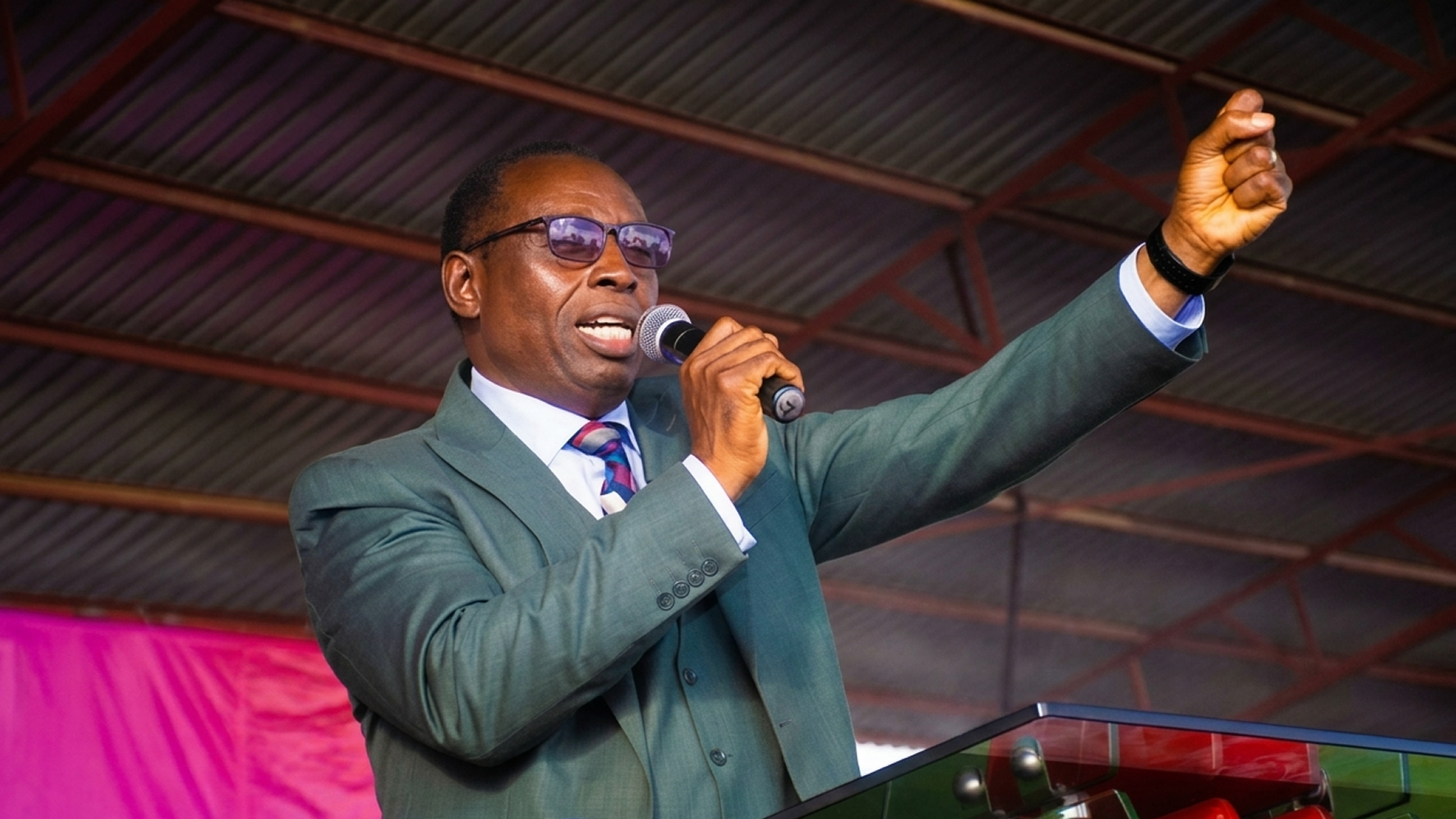
The Apostolic Faith Mission of Zimbabwe is facing another decisive test after the High Court nullified its 3 May 2025 leadership elections, declared the church’s presidium unlawful and ordered a fresh vote for its four top offices within 30 days.
The ruling has left the church with a narrow window to organise a new election while preventing three of the leaders at the centre of the dispute from standing again. It has also brought back into the open the long-running struggle over succession, constitutional authority and control of the denomination’s national structures — tensions that previously split the church into rival formations.
Justice Tawanda Chitapi ordered the AFM to elect a new president, deputy president, general secretary and national administrator. The order applies to the positions held by Reverend Dr Cossam Chiangwa, Reverend Amon Chinyemba, Dr Nathan Nhira and Mr Shepherd Sebata after the 2025 poll.
The court ruled that Chiangwa, Chinyemba and Nhira cannot contest the fresh election. It further directed that only candidates who were qualified to stand on 3 May 2025 may participate. That decision sharply limits the field and places the church’s electoral machinery under immediate pressure.
The next step is the formation of an interim committee made up of five former overseers. The committee was ordered to be elected within 48 hours of the judgment and will be responsible only for administration and preparations for the fresh poll. It is not allowed to make policy decisions affecting the church.
Justice Chitapi said: “The interim committee shall not be allowed to make policy decisions concerning the affairs of the first respondent,” Justice Chitapi said.
The committee will cease to exist when a new leadership is elected or after 30 days, whichever comes first. Dr Nhira was directed to convene an Apostolic Council meeting to facilitate the committee’s election, placing him at the centre of the transition even though he has been barred from the fresh contest.
The court’s order followed an application by church members Daniel Mhlanga and Dennis Maposa under Case Number HCH2288/26. The two challenged the legality of the election and the constitutional change that allowed candidates aged up to 70 to stand for office.
At the centre of the case was a decision taken on 8 February 2025 at the Mufaro Conference Centre in Mushagashe, Masvingo. Members of the National Apostolic Council resolved at that meeting to increase the age limit for candidates from 65 to 70 years.
Clause 14.2.1 of the AFM constitution states that candidates for the church’s top offices must not be older than 65 at the time of election. Justice Chitapi found that the National Apostolic Council did not have the authority to change that provision through the process it adopted.
The court declared the February resolution unlawful and of no legal effect. It followed that the 3 May election, in which Chiangwa became president, Chinyemba deputy president, Nhira general secretary and Sebata national administrator, was declared unlawful, null and void.
The judgment also cancelled major actions, decisions and resolutions made by the presidium after the disputed election. Among the decisions affected were the controversial provincial delimitation exercises, which had already added another layer of tension among members and leaders in the provinces.
The court’s ruling was also shaped by a preliminary challenge to the affidavit filed in opposition to the application. Counsel for the applicants, C Makorokotera, argued that the affidavit sworn by Chiangwa had not been properly commissioned because the date had been inserted by the deponent rather than by the Commissioner of Oaths.
The respondents’ lawyer, Obey Shava, argued that there was nothing irregular about the procedure and referred to provisions of the Justices of Peace and Commissioners of Oaths Act. The judge rejected that argument, holding that the commissioner must administer the oath and endorse the date at the same time.
“The commissioner must also endorse the date on which the oath was administered, and those acts must occur contemporaneously,” the judgment states.
The court found that the way the date had been inserted meant that the authenticity of the affidavit could not be satisfactorily established. The opposing papers were therefore struck from the record, leaving the application effectively unopposed before the judge considered the constitutional and electoral questions.
The affected leaders have rejected the suggestion that the church breached its constitution. Responding to the judgment, Chiangwa confirmed that the ruling had been issued but said the church’s position was that the case had been decided by default because of a technical issue with the court papers.
“The High Court has not found any constitutional breaches by AFMoZ. The correct position is that the matter fell on a default judgment owing to a technicality with the court papers. We have since utilised remedies available in the courts and are awaiting the court’s decision. As the matter is sub judice, we cannot discuss it further,” he said.
The matter is now subject to an appeal before the Supreme Court. The Chiangwa-led camp has maintained that the current presidium remains in office while the appeal is pending, setting up a possible clash between the High Court’s order for an interim administration and the leadership’s position that it continues to run the church.
Nhira, who was ordered to call the Apostolic Council meeting within 48 hours, said the church would issue a formal statement after its meeting.
“At the moment I am in a meeting and we shall issue a statement after the meeting. Since I now have your WhatsApp number, I will send you the statement,” he said.
In a memorandum to church leaders, Nhira urged overseers, pastors, lay leaders and members to “remain calm, prayerful and steadfast, and to refrain from spreading or relying upon unverified information concerning this matter.” The memorandum said the church remained committed to respecting the rule of law, following due process and preserving the unity, peace and orderly administration of the Body of Christ.
That call for calm comes as AFM members once again face uncertainty over who has authority to make decisions, call meetings, supervise provinces and prepare the next national election. The court has placed strict limits on the interim structure, but the appeal means that the contest over the practical control of the church is not over.
The present crisis is not the first time AFM has been consumed by a fight over succession. In 2015, senior officials took a leadership dispute involving Asapher Madziyire to the High Court, challenging his continued stay in office after he had led the church for 12 years. The case showed how questions about tenure and the transfer of power had become a serious fault line within the denomination long before the latest age-limit dispute.
The split was not limited to titles and competing presidiums. Rival groups also fought over the use of the church’s name, control of fixed assets, conferences and institutional structures. Court battles followed as each side sought recognition and control over property and other resources connected to the historic Pentecostal movement.
The division left congregations, pastors and members having to identify with one formation or the other. In some areas, the dispute reached provincial and local structures, creating competing claims over assemblies, leadership positions and church programmes. The argument over who represented the legitimate AFM therefore continued beyond the original leadership contest.
The church’s succession problems have repeatedly returned in different forms. Earlier disputes focused on the length of leaders’ terms and the timing of elections. Later disputes involved the manner in which successors were chosen, the powers of councils and the constitutional rules governing national office. The current case has placed the age of candidates at the centre, but the deeper question is once again who has the authority to change the rules before a leadership vote.
For ordinary members, the immediate concern is whether the church can hold a fresh election without reopening the divisions that produced the earlier split. The order requires the election to follow the AFM constitution and the 12 April 2024 memorandum. It also rules out the three most prominent leaders from the cancelled poll, meaning the next contest will be fought by a different group of candidates.
The exclusion of Chiangwa, Chinyemba and Nhira is likely to reshape the balance of power inside the National Apostolic Council. Their supporters will still have a voice in the process, but the men who occupied three of the four disputed positions cannot seek those posts in the fresh election. Sebata’s position is also affected by the cancellation of the election, although the order specifically names the other three as ineligible to contest again.
The legal costs order adds to the pressure. The four respondents were ordered to pay the applicants’ legal costs jointly on the higher legal practitioner-client scale. At the same time, decisions made by the cancelled presidium since May 2025 have been stripped of effect, leaving church administrators to determine what work can continue and what must be revisited.
There are already rumours that the church could split further if the appeal, the interim arrangement and the fresh election are not accepted by all sides. Those rumours have grown because AFM has a recent history of rival formations, property disputes and competing claims to legitimacy. The court-ordered transition has therefore become more than a timetable for a new vote; it is a test of whether the remaining structures can keep the denomination together.
The key deadlines are now clear. The Apostolic Council must facilitate the appointment of the five-member interim committee. The committee must prepare for a fresh election within 30 days. The appeal before the Supreme Court may affect how the order is implemented, but the church must still confront the questions raised by the High Court: whether its constitution was followed, who may change it and how leadership can be transferred without another rupture.
AFM’s next election will consequently be watched far beyond the four offices on the ballot. It will determine whether the denomination begins to rebuild trust after years of leadership fights or enters another season of competing authorities. For a church that has already divided once over succession and control, the process that follows the judgment may decide whether the latest crisis ends with a new leadership or becomes the beginning of another split.