


Zimbabwe has begun preparing for a potentially severe drought by urging livestock farmers to keep enough feed to sustain their animals for at least two years, as weather forecasts point to a heightened risk of El Niño during the 2026/27 farming season.
The warning was delivered by Dr Dumisani Kutywayo, Chief Director of the Directorate of Research, Education and Specialist Services, at the directorate’s second-quarter review meeting in Harare. He said hotter and drier conditions could place heavy pressure on grazing land, water supplies and livestock productivity, and called on farmers to act before pasture shortages become critical.
“Farmers are being urged to stock sufficient feed reserves to last at least two years,” he said.
The advice comes at a time when Zimbabwe is still dealing with the effects of the 2023/24 drought, one of the most damaging recent agricultural seasons. Poor rainfall reduced crop production, weakened grazing areas and left many communities struggling to find water for people and animals. The government recorded more than 40 000 cattle deaths during that drought, while the country’s experience of the 1991/92 El Niño remains an even darker warning.
“During the 1991/1992 El Niño more than one million cattle reportedly died. During the 2023/2024 drought over 40 000 cattle deaths were recorded. We cannot afford to repeat these losses,” he said.
The Meteorological Services Department has placed the country on an early alert after global forecasting centres indicated an 88 to 94 per cent chance of El Niño developing during the 2026/27 rainy season. Historical patterns show that El Niño conditions in Zimbabwe have been associated with a 65 per cent probability of below-normal rainfall.
The early warning does not yet provide a final province-by-province rainfall forecast. Meteorologists have said that confidence in seasonal predictions can change before the start of the rains because of the so-called spring predictability barrier, a period when ocean and atmospheric conditions can shift quickly. The department has been expected to issue a National Climate Outlook after the regional climate outlook process, giving farmers more detailed information on the likely timing and distribution of rainfall.
For now, the risk is clear even though the precise provincial probabilities are still awaited. Matabeleland, Masvingo and the drier parts of the Midlands are among the areas where farmers traditionally face greater moisture stress and depend heavily on grazing, livestock sales and small grains. Parts of Manicaland, especially rain-shadow areas, also have a more fragile rainfall position. Mashonaland generally has stronger crop-producing potential, but a poor season there would have wider consequences because the provinces supply much of the country’s grain and support large numbers of farming households.
The expected outlook matters not only because of the total amount of rain, but also because of when it arrives and how evenly it falls. A late start can delay planting and leave pastures without enough time to recover. Long dry spells can damage crops after germination, reduce natural grazing and force farmers to buy feed at higher prices. Heavy rain in a short period may fill dams but still fail to restore grazing if it runs off hard, dry ground or is followed by a prolonged hot spell.
The country’s most recent season showed how quickly conditions can change. The 2025/26 agricultural season began with encouraging rainfall in many areas, and the 2026 harvest was expected to improve food access nationally. However, excessive rain in some locations was followed by a lengthy dry spell, leaving certain fields waterlogged early in the season and moisture-stressed later. Some households in affected areas faced reduced yields, while poor farmers remained exposed to rising costs for fuel, fertiliser and transport.
Water and pasture conditions improved in a number of areas during the first part of 2026, supporting livestock and rural incomes. That improvement, however, does not remove the need for preparation. If the coming season starts late or rainfall becomes erratic, farmers may move quickly from relatively good grazing conditions to a serious shortage of grass, crop residues and drinking water.
Kutywayo said pasture seed should be made available so that farmers can produce fodder before the crisis deepens. He also called for greater use of livestock breeds adapted to Zimbabwe’s harsh conditions, including Mashona, Boran, Tuli and Nguni cattle. The government is seeking to conserve and multiply indigenous breeds, including local chickens and goats, which have shown greater resilience under heat and moisture stress.
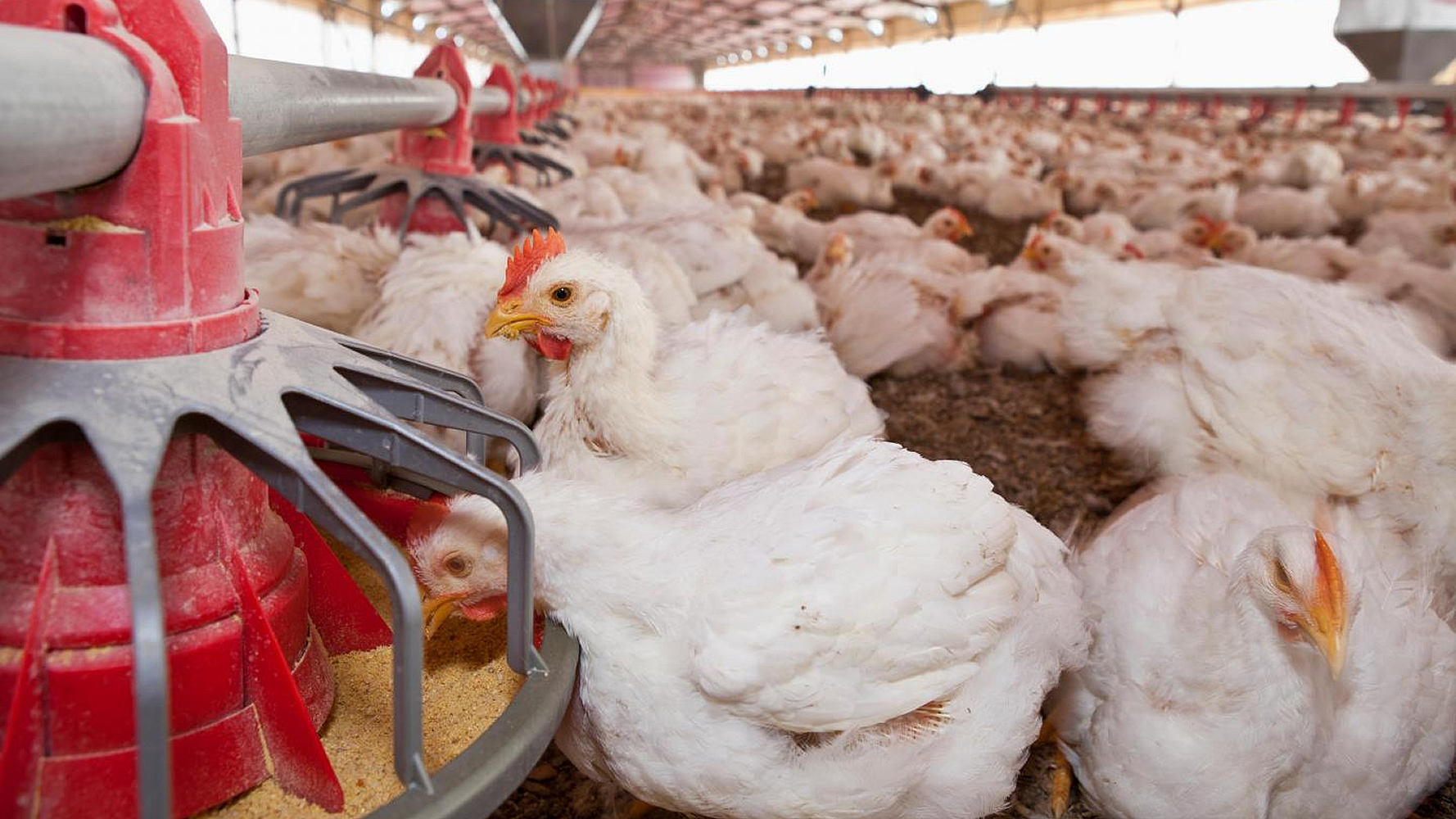
The focus on feed is also exposing pressure in Zimbabwe’s animal-feed market. Rabbit farmers are reporting serious shortages of pellets from major manufacturers, including Agrifoods and National Foods. Farmers in the sector say some poultry producers have started buying rabbit pellets as a cheaper substitute for part of their broiler-finisher rations.
Broiler-finisher feed and rabbit pellets are both sold with a stated crude-protein content of 18 per cent. The price difference is significant: a 50kg bag of broiler-finisher feed is reported to cost between US$32 and US$35, while a 50kg bag of rabbit pellets costs about US$24 to US$25. Some chicken farmers are therefore mixing one bag of rabbit pellets with two bags of chicken feed in an attempt to cut production costs.
That practice may reduce expenses for poultry producers, but it is placing rabbit farmers under further strain. A chicken farmer requiring 300 bags of feed could use 200 bags of broiler feed and 100 bags of rabbit pellets, reducing the amount spent on poultry feed by an estimated US$800 or more. For rabbit producers, the same diversion means fewer pellets available for animals that depend on them as their main commercial ration.
The shortage adds another layer to the drought preparations. Farmers who wait until feed disappears from shops may face higher prices, delayed deliveries or poor-quality substitutes. The government has urged producers to plan purchases early, protect fodder from rain and pests, and make use of crop residues, hay and locally produced feed where these are safe and suitable for livestock.
Kutywayo said the remaining early-warning systems should be completed in targeted areas and that enforcement against substandard agricultural inputs must continue. Farmers facing drought are particularly vulnerable to fake or poor-quality seed, feed and chemicals because they have less money and less time to recover from a failed purchase.
Authorities are also encouraging the wider planting of drought-tolerant traditional grains, such as sorghum and millet, together with early-maturing varieties. These crops can help protect household food supplies when the rainy season is shorter than normal. Water harvesting, irrigation and the pre-positioning of seed and other inputs are being considered as part of a broader move towards anticipatory action rather than waiting for livestock and households to reach emergency conditions.
The coming months will be important for farmers in every province. The final forecast should help determine planting dates, crop choices, stocking levels and the areas that need the earliest support. Until that information is released, officials are asking producers to treat the El Niño risk as an immediate agricultural threat and to use the remaining dry-season period to secure feed, water and seed.
For livestock farmers, the message is direct: a drought is not measured only by empty fields. It is also seen in shrinking dams, weakened cattle, disappearing grazing and the rising cost of a bag of feed. Preparing two years of reserves may be difficult, but the government says early action is the best chance of protecting animals, food supplies and rural livelihoods from another devastating season.