


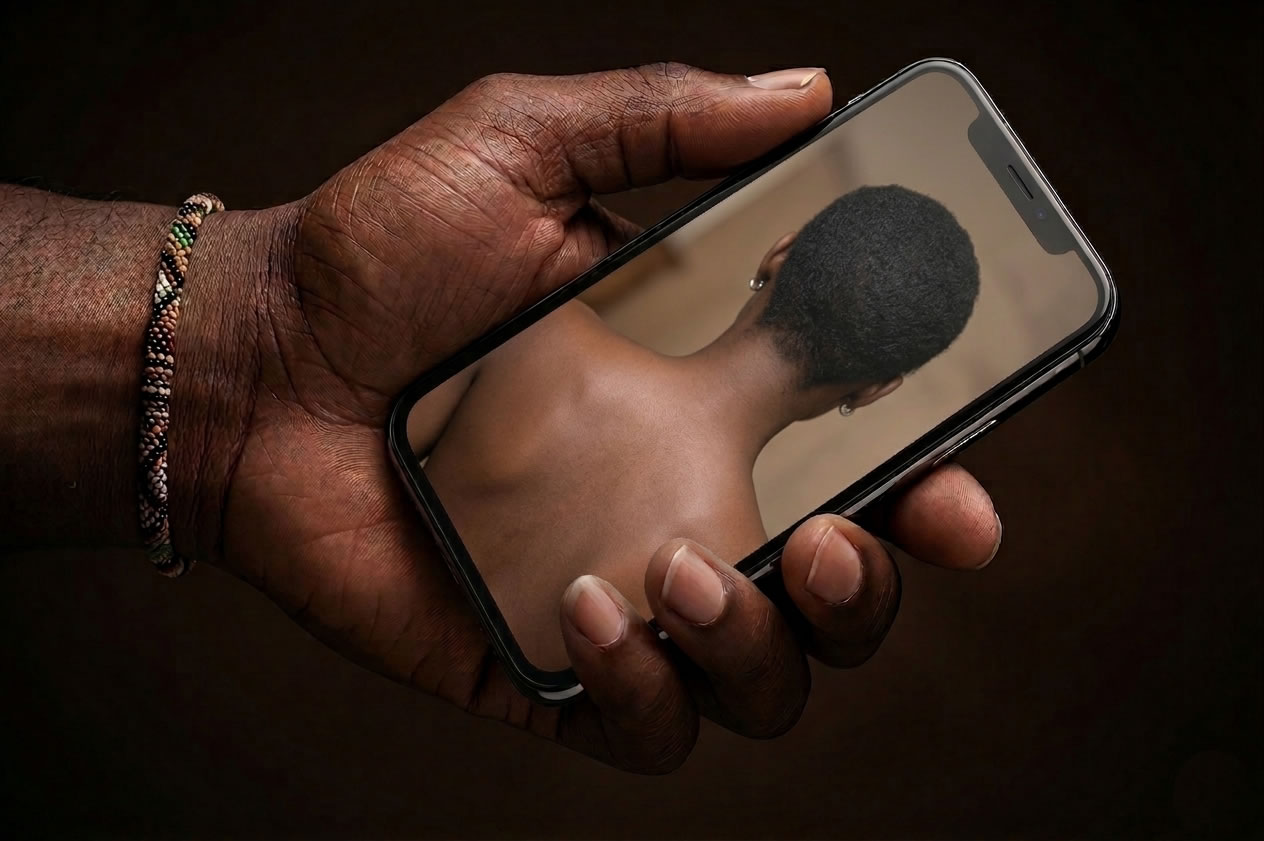
Police have warned that sextortion cases are increasing in Zimbabwe, with former lovers and online scammers using private photographs and videos to demand money, sexual favours or more intimate material from their victims.
The warning was issued at the Harare Agricultural Show by Detective Inspector Rachel Muteweri, the Criminal Investigations Department (CID) spokesperson, who said the crime was affecting both adults and young people. She said some victims were losing substantial amounts of money after relationships ended, while others were being pushed into deep emotional distress when their intimate content was shared online.
“We have noted with concern more cases where some love partners have been losing quite a substantive amount of money to their former lovers,” said Det-Insp Muteweri.
“Some are committing suicide after their nude photographs and videos are leaked and posted on social media as a punishment for separation.”
Sextortion is a form of criminal blackmail. It begins when a person uses private sexual photographs, videos or live-streamed material to threaten another person. The blackmailer may demand cash, gift cards, sexual favours or further images, promising to keep the material private if the victim complies.
In many cases, the person behind the threats is someone the victim once trusted. A former partner may still have access to photographs or recordings made during a relationship and use them as a weapon after a quarrel or separation. The threat can also be made by a stranger who has persuaded a victim to share intimate material during an online conversation.
Det-Insp Muteweri said many victims remain silent because they fear that reporting the matter will bring further damage to their reputations. The fear is often made worse when the blackmailer names the people who may receive the material. Relatives, friends, classmates, teachers, employers and church members can all be used as targets in an attempt to force the victim to pay or send more content.
She said sextortion was not limited to former romantic partners. Scammers were also targeting people who spent long periods online, particularly young people who used social media, messaging applications and online dating platforms.
“A scammer tricks a victim into sending nude photos, records them on a live video stream, or hacks their electronic device.
“Sometimes, scammers use basic information from social media to trick people or even create fake images,” she said.
The first approach may appear harmless. A scammer can use a stolen photograph, a false name or details taken from a victim’s public social-media profile to create the impression of a genuine friendship or romance. Once trust has been established, the criminal may encourage the victim to move the conversation to a private platform, make a video call or exchange intimate pictures.
In other cases, the victim is invited to take part in a live video conversation and is persuaded to undress. The criminal records the call without consent and later returns with threats. Hacked phones, stolen accounts and manipulated images can also be used to create material that appears real, giving the blackmailer another way to frighten the victim.
“They demand cash, gift cards, or more intimate pictures to keep the material secret.
“They trick or pressure the victim into sharing nude photos or they secretly record a live-streamed video,” she said.
The threats can continue even after a victim has paid. Police say giving in does not guarantee that the material will remain private. Instead, the criminal may treat the first payment as proof that the victim is frightened and able to provide more money. A second demand may arrive within hours, followed by another threat to contact family members or publish the images on social media.
Det-Insp Muteweri urged victims not to pay and not to send additional photographs. She also advised them to preserve evidence before blocking the account or ending contact.
“Avoid sending money or more pictures since this does not stop the blackmailer; it usually leads to more demands.
“Do not reply their messages and stop all communication with the person,” she said.
She said victims should save screenshots showing the messages, usernames, telephone numbers, profile photographs, payment requests and conversation history. They should also keep records of dates and times, as well as any mobile-money or bank details supplied by the blackmailer. The evidence can help investigators trace accounts and establish how the material was obtained or distributed.
“Take screenshots of the messages, profile names, and conversation history before blocking the account.
“Tell a trusted adult, school counsellor or police right away,” she said.
The police warning comes as online safety specialists in Zimbabwe and across Africa describe a growing stream of people seeking help after being threatened with the release of intimate content. Many cases involve fake romantic relationships created through Facebook, Instagram, WhatsApp and dating applications. Victims include men and women, and the demands are increasingly made through electronic transfers, mobile-money services and, in some cases, digital currencies.
The problem is difficult to measure because victims often do not report it. Shame, fear of being blamed and concern about family or workplace consequences can keep people from approaching the police. Some victims also believe that paying will make the threats disappear, only to find themselves trapped in repeated demands.
Children and teenagers face particular risks. A young person may not understand that an online contact is manipulating them, or may fear punishment if parents discover that an intimate image was shared. Police said some young victims hide their distress until the threats become overwhelming.
The CID spokesperson said sextortion had shown a sharp increase in cases involving children and teenagers who were threatened or coerced into sharing explicit images online. She warned that fear and shame could lead to depression, emotional pain and suicidal thoughts when victims felt unable to tell anyone what was happening.
“After falling victim, the young children fail to share their worries with their parents leading to depression, emotional pain and some committing suicide.”
International child-protection figures show that financial sextortion is not confined to one country or one type of online platform. In 2025, the United States National Centre for Missing and Exploited Children recorded an average of 137 financial-sextortion reports a day, a 37 per cent increase on the previous year. The figures relate to reports received through its system, rather than every incident worldwide, but they show how quickly the crime has expanded as criminals use online communication to reach large numbers of potential victims.
Zimbabwe’s Cyber and Data Protection Act provides the legal framework referred to by police. The law treats information about a person’s sex life as sensitive data and recognises images and video as data. It also contains provisions dealing with unauthorised data collection, breaches and the use of electronic evidence. Under the law, a child is a person under the age of 18.
“As the Zimbabwe Republic Police, we would like to warn people that it is a criminal offence and anyone caught will face sextortion charges under the Data Protection Act,” she said.
Police urged parents and guardians to keep communication open so that children can report threats without fearing immediate punishment. Schools, too, have been encouraged to respond quickly when a learner is targeted, rather than treating the matter as a disciplinary issue or blaming the child for being deceived.
People who receive leaked images should not forward them, save them for entertainment or post comments that identify the victim. Sharing the material can deepen the harm and widen its reach. The safer response is to retain only the information needed for a report, notify the platform, and contact the police or another trusted support service.
The central message from investigators is that victims should act quickly, preserve evidence and seek help. A threat to publish a photograph is intended to create panic and isolation. Breaking that isolation by telling a trusted adult, counsellor, friend or police officer can give the victim support while investigators work to stop the blackmailer and limit further circulation of the material.
For parents and young people, police say private accounts, strong passwords, two-step verification and careful control of social-media contacts can reduce exposure. Public posts can reveal names of relatives, schools, workplaces, locations and relationships, giving scammers information they can later use to make their threats appear more credible.
No victim should be forced to negotiate alone with a person who is threatening them. The warnings are clear: do not pay, do not send more intimate material, do not keep the abuse secret and do not forward leaked images. Save the evidence, cut off contact after documenting the threats, and report the matter as soon as possible.