


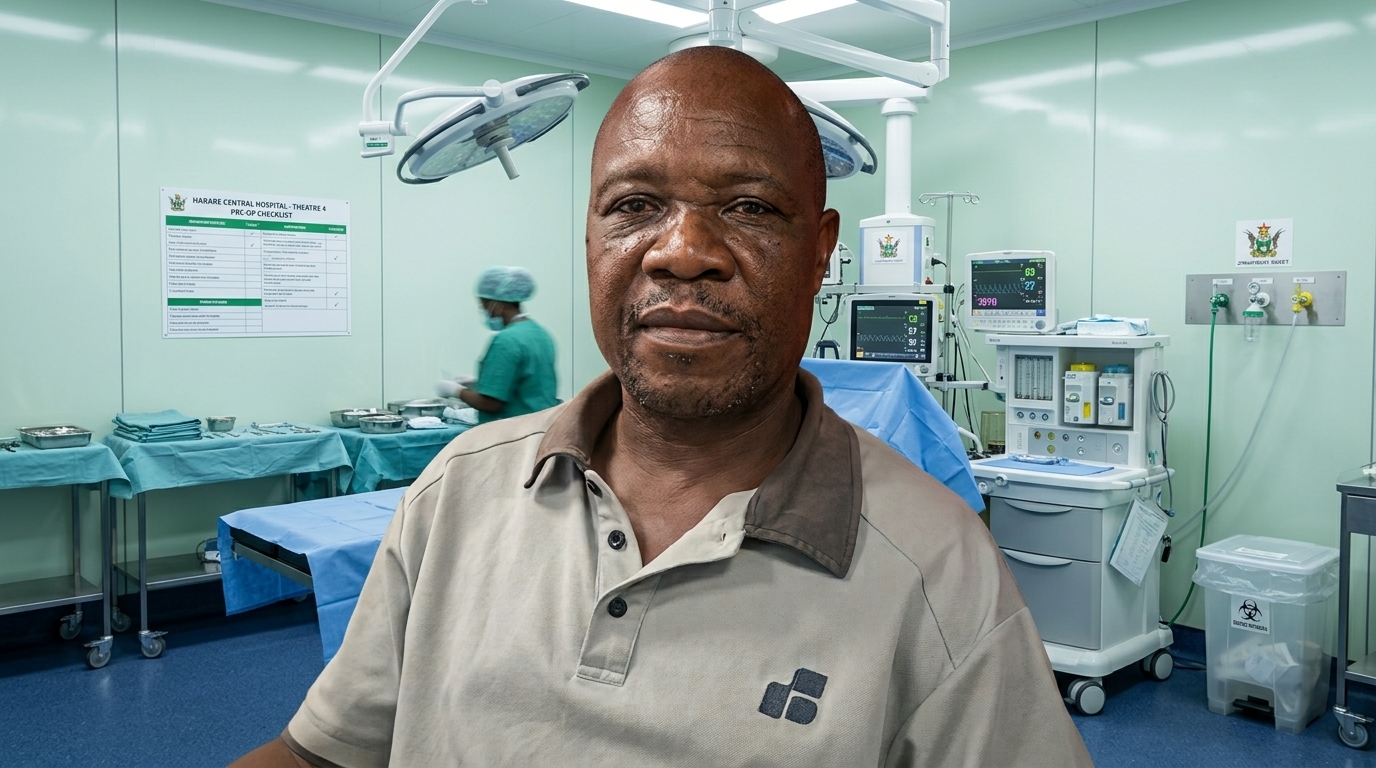
Fungai Munyedzi says he can be at home, preparing to eat, when the effects of ulcerative colitis suddenly take over. Within minutes of a meal, he says, fresh blood may begin to flow from his rectum. Stress can bring on the same frightening bleeding, leaving the 53-year-old unable to predict when he will need urgent medical attention.
The condition has narrowed his world. Munyedzi, who lives in Kuwadzana 2 in Harare, says he avoids travelling because he cannot control the bleeding and worries that people who do not understand the illness will stare or misread what is happening. He has also been forced out of work, despite previously earning a living as a hotelier in South Africa.
“I used to work in South Africa as a hotelier but from the time I was diagnosed with this condition, I have been bedridden and half the time I will be admitted to hospital, and I will need blood. I require two pints of blood every three months. When I eat food, it doesn’t take even five minutes before fresh blood starts oozing out through the rectum. Even if I get stressed up the blood will involuntarily come out and doctors say I need surgery but, for the meantime, I’m just taking medication that minimises blood flow,” he said.
Munyedzi was diagnosed in 2015. He says he now depends on daily medication and regular transfusions, but the cost has become increasingly difficult to meet since he stopped working. Doctors have told him he needs surgery. For now, he takes medicines intended to reduce the bleeding and says he must not miss the prescribed doses.
His medical notes warn that missing medication could lead to severe bleeding and worsen his condition. Munyedzi has produced his diagnosis, doctors’ notes and a breakdown of the medicines prescribed to him as he appeals for help. He says he takes more than 12 tablets a day, including medicine for high blood pressure.
“I do not travel a lot because I can’t hold back the blood and communities might not understand my condition and they would be surprised as to why blood is coming out in that way and it is very difficult to try and explain to everyone. The condition has, indeed, brought a lot of stigma in my life. I require over US$1,000 per month for medication and blood transfusion. My whole body is in pain, and I have children who need to be fed. I take over 12 tablets per day, including the ones for reducing the flow of blood, because at times it becomes severe that I can easily faint when I try to relieve myself. I am also on high blood pressure medication,” he said.
Ulcerative colitis is a long-term inflammatory bowel disease that affects the inner lining of the large intestine and rectum. It can cause sores, bloody diarrhoea, abdominal pain, fatigue and a sudden or frequent need to use the toilet. People may experience periods when symptoms ease, followed by flare-ups. Stress and certain foods can trigger or worsen symptoms for some patients, although triggers vary from person to person.
Munyedzi describes the bleeding as unpredictable and says even eating can set it off within minutes. He says the severity has made ordinary activities difficult, from socialising to getting to a job. He has also described becoming weak enough to fear fainting when using the toilet.
His current appeal follows years of managing the disease with help from relatives. During the Covid-19 lockdown, family members who had helped pay for his treatment were themselves hit by lost income. At the time, he said he was unemployed and relying on his wife and other relatives to keep buying his medicines.
“To me, the advent of the coronavirus is more like a death sentence. The majority of the family members that used to provide me with money to buy the life-saving drugs that I use every day are no longer capable of doing so since their sources of income have been affected by the lockdown,” he said.
In that period, Munyedzi said he needed check-ups at least every two weeks, while transport difficulties added to the strain. He described bouts of watery, bloodied stool up to six times a day when the inflammation was severe, with dehydration, abdominal cramps, fever and fatigue. He also reported inflammation affecting his skin, joints and eyes.
The family’s spending on his medicines was then more than US$500 a month, and Munyedzi identified Asacol and salazopyrin among the drugs he could not do without. The amount he says he needs now, more than US$1,000 monthly for medication and blood transfusions, reflects the scale of the burden he is facing today. He has children to support as well as his own treatment to maintain.
The cost of blood is another pressure for patients who need transfusions. Blood is meant to be available without charge at Zimbabwe’s public health institutions, but shortages have left some families searching for supplies at private facilities and raising money at short notice. In May 2025, the Ministry of Health reported a critical shortage in public hospitals. The National Blood Service Zimbabwe said constraints on outreach operations, fuel and essential supplies had disrupted routine collection, while a seasonal fall in donations from young people added to the pressure.
That wider shortage matters to Munyedzi because blood is not an occasional part of his care: he says he needs two pints every three months. Regular transfusions, continuing medication and the surgery doctors have recommended form a recurring set of needs for a man without employment income. When the required treatment is not within reach, his ability to manage the disease and maintain daily life is placed under further strain.
Munyedzi has described himself as grateful for the help his wife and relatives provided during the pandemic, but said their support was already being stretched. In his earlier account, he said the family was trying to meet the cost of drugs while coping with reduced incomes and transport problems. He has since renewed his appeal as his monthly costs have risen and his children still depend on him.
For Munyedzi, the illness is measured not only in hospital visits and prescriptions, but in the uncertainty that follows every meal and every stressful moment. He says his body is in pain, his strength can fail, and the fear of bleeding in public keeps him from travelling freely. The condition has also brought stigma, he says, because people may not know what is happening or how to respond.
He is asking for assistance to pay for his medication and blood transfusions. Those wishing to help can contact him on his EcoCash number, +263 782680558.