


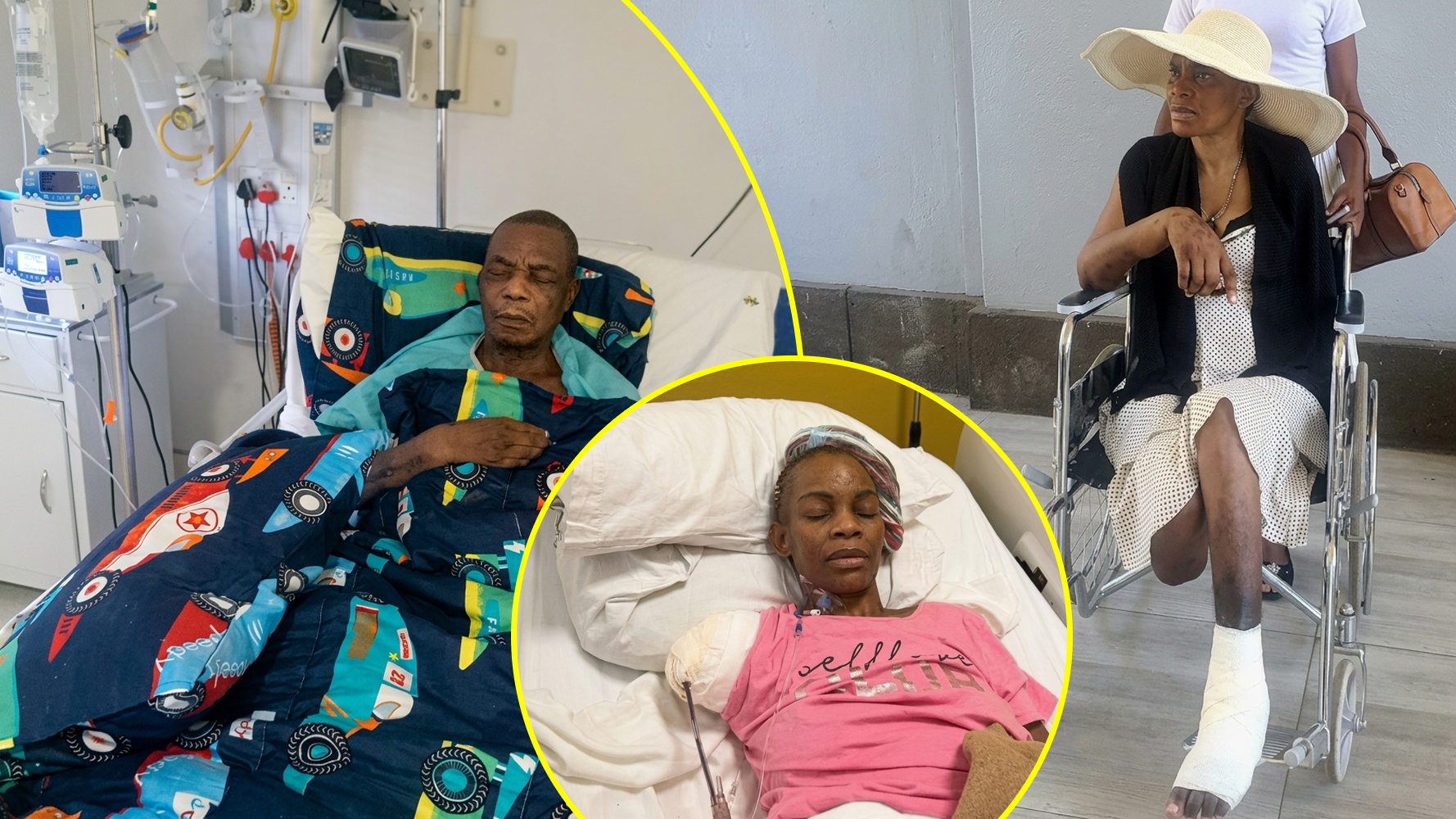
Vice President General (Retired) Constantino Guvheya Chiwenga’s ex-wife, Marry Mubaiwa, is asking a Harare court to end the prolonged wait in her attempted-murder case against her former husband, arguing that she has remained on remand for nearly 7 years without the case being concluded. The State says it is still trying to locate witnesses and issue fresh summons after the magistrate who had been hearing the trial was promoted to the High Court.
The latest court hearing has set up two competing demands: Mubaiwa’s bid for the case to be removed from remand, and the prosecution’s request for more time to restart proceedings under a new magistrate. Regional magistrate Musaiona Shotgame postponed the application to October 23 (today) for a ruling. The court had not yet issued that ruling in the reports available ahead of Friday’s hearing.
Mubaiwa’s lawyer, Beatrice Mtetwa, argued that keeping her client on remand for so long without a conclusion amounted to a miscarriage of justice. Prosecutor Lancelot Mutsokoti told the court that the State was locating witnesses and re-issuing summonses so the trial could begin afresh. The case had already progressed through testimony from former deputy health minister and Chiwenga’s personal doctor, John Mangwiro. Chiwenga was expected to testify next.
The fresh start follows the elevation of Feresi Chakanyuka, the magistrate who presided over the earlier hearings, to the High Court bench. With a new magistrate due to take over, the prosecution must prepare to present its case again. That prospect has revived Mubaiwa’s complaint about the years already spent waiting for the matter to be decided.
The case began with allegations linked to Chiwenga’s treatment in South Africa in 2019. Prosecutors accuse Mubaiwa, his then-wife, of trying to kill him while he was critically ill in hospital. The alleged act at the centre of the case is that she pulled out an intravenous tube inserted into his chest. The charge dates to the period when Chiwenga was receiving treatment in Pretoria, following a serious illness that had taken him out of Zimbabwe for medical care. The initial case account said Chiwenga alleged that Mubaiwa had interfered with his treatment and pulled an intravenous drip from his arm.
Mangwiro gave the court an account of the hospital incident during earlier proceedings. He said he heard Chiwenga screaming in pain after the tube was allegedly pulled out. Medical staff rushed into the room, he told the court. The claim forms a central part of the prosecution’s case, but Mtetwa challenged the details of the witness’s account and questioned how it fitted with other evidence.
The defence pointed to earlier witness statements that, it said, did not mention the alleged tube-pulling incident. Mtetwa also asked why several witnesses had failed to refer to attempted murder in their statements. She questioned Mangwiro about the handling of Chiwenga’s medical records and why staff had left Mubaiwa alone with him if they regarded her as a danger.
Mangwiro said he had not seen the hospital records. He told the court they had been directed specifically to physiotherapists. The records later became a point of dispute between the witness and the defence. Mtetwa suggested that the reason the records could no longer be found might be that Chiwenga had already planned to divorce Mubaiwa. She also challenged the witness over the absence of forensic results concerning blood said to have been found on Chiwenga’s T-shirt.
Mangwiro described Mubaiwa as having held strong influence over the people around Chiwenga during his hospital stay. He told the court: “There was nothing we could do; the accused was a very powerful woman at that time. She would decide what to do next; she would sometimes request privacy time with Chiwenga.” He said he had reported his concerns by phone to the Office of the President and Cabinet, and identified Major Nyoni and Major Murengi as the main security personnel.
His evidence also covered the decisions made about Chiwenga’s care. Mangwiro said Mubaiwa sometimes asked others to leave the hospital room. He told the court that she had at one point opted to take Chiwenga to a hotel instead of hospital, despite his warning about the danger. In his account, the delay in getting medical care and the choices made during the period of illness formed part of the pattern that led him to become concerned.
Mangwiro also described a change in Chiwenga’s condition after treatment abroad. He told the court: “Each time we took the complainant out of the country for medication, he would come back home well.” He added: “However, he would start deteriorating when he got back home. I don’t know what was happening.” Those statements were part of the doctor’s testimony, rather than a finding by the court.
Mtetwa contested the witness’s account and asked why those around Chiwenga had continued to leave Mubaiwa with him if they believed she posed a threat. She also challenged the absence of references to the alleged incident in other witnesses’ statements. In earlier hearings, the defence argued that the attempted-murder claims emerged after the marriage broke down in 2019. Mangwiro disputed the challenges to his testimony.
The case has run alongside a difficult period in Mubaiwa’s own health. She has had her right arm and left leg amputated during the years since her arrest. In 2025, she also pursued a separate bid to halt her prosecution on medical grounds, and a High Court hearing was delayed after the prosecution failed to submit an assessment of her condition. The court account of that application recorded her lawyer’s concerns about the effect of her illness on her ability to follow proceedings.
The attempted-murder case was nearing the stage at which Chiwenga would give evidence when the change in magistrate disrupted the timetable. The State now has to locate witnesses again and prepare for the matter to restart, while Mubaiwa asks the court to bring the long-running remand to an end.
The next step rests with Shotgame’s ruling on the refusal-of-further-remand application. For Mubaiwa, the application is a direct challenge to the years of delay. For prosecutors, the immediate task is to rebuild a trial that had already reached the point where the Vice-President was expected to take the stand. The court’s decision will determine whether the matter proceeds into a new hearing or whether Mubaiwa’s request changes its course. The latest hearing account sets out the restart plan and the competing positions presented to the magistrate.