


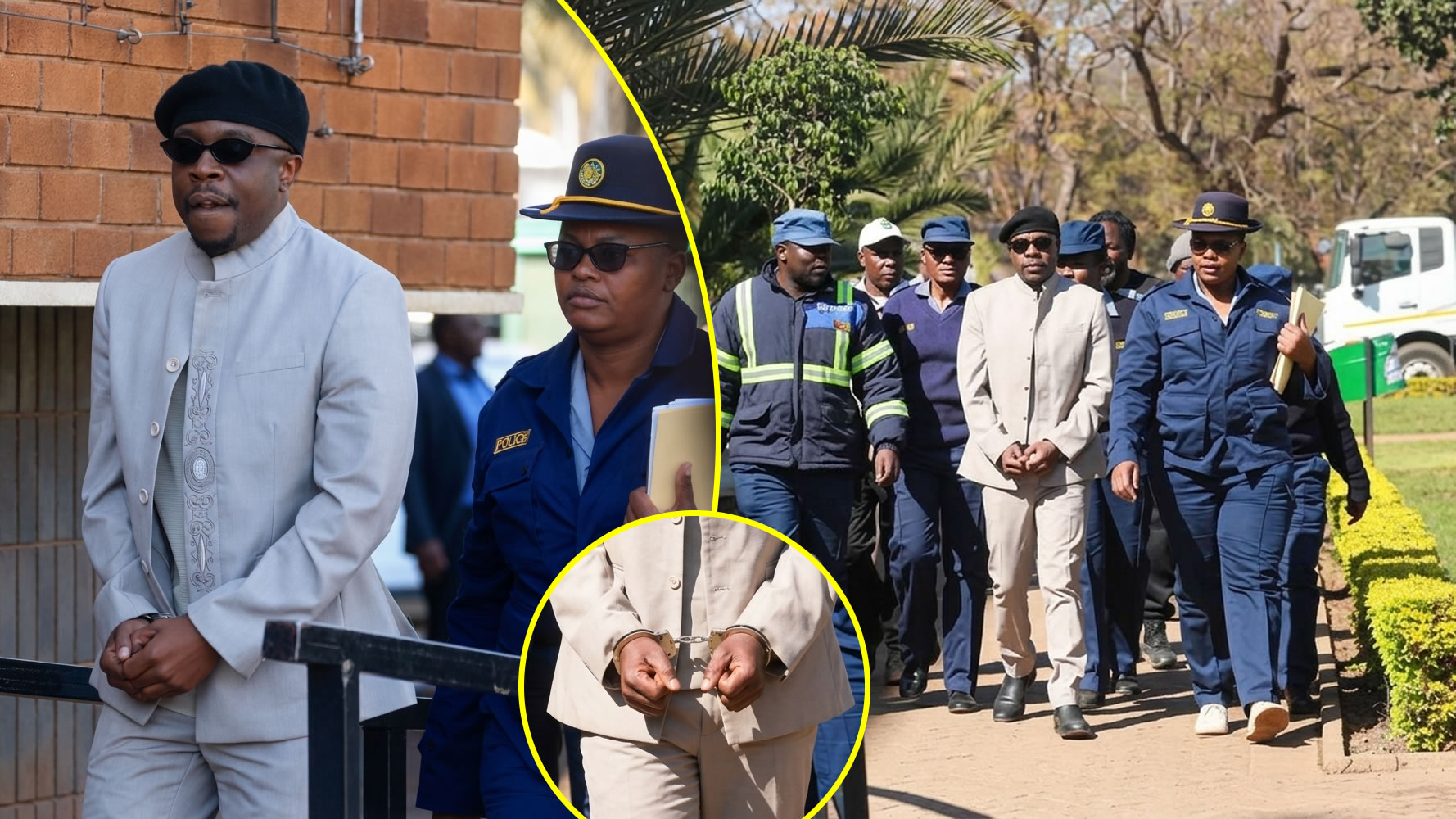
Kelsea Tafirenyika’s money-laundering charge was dropped, while she and 3 relatives admitted drug-related offences and were fined. Rapper Holy Ten’s rape charge was withdrawn before plea after months of court appearances.
Two separate cases involving members of Zimbabwe’s political and entertainment circles ended in Harare and Bulawayo on Thursday, with prosecutors withdrawing charges against Kelsea Tafirenyika and the rape case against musician Holy Ten brought to a close.
The outcomes were different. Tafirenyika, the second wife of President Emmerson Mnangagwa’s son Collins, was fined after pleading guilty to 2 drug-related offences. The State separately dropped a money-laundering charge against her, saying there was not enough evidence to proceed. Holy Ten, whose name is Mukudzei Chitsama, had the rape charge against him withdrawn before plea. He had been out on bail while the case moved through court.
The decision on Tafirenyika’s money-laundering charge does not erase the separate guilty pleas entered by her and 3 relatives in drug-possession cases. Those pleas brought the Bulawayo proceedings to an end with fines rather than immediate prison sentences.
Tafirenyika, 22, appeared in Harare over offences dating to August 4, when she was found at a house in Greystone Park with pethidine and morphine sulphate, medicines whose possession is controlled. She admitted unlawful possession of the prescription medicines and was fined US$300. On a separate count, she admitted possessing 5 prepared rolls of cannabis, weighing 0.004kg, and was fined a further US$100.
Her mother, Amina Jassinta Jessub Arab, 47, her sister, Dyonne Tanaka Tafirenyika, 28, and their aunt, Noreen Jessub, 51, were dealt with in Bulawayo. Each pleaded guilty to unlawful possession of dangerous drugs and was fined by regional magistrate Mark Dzira.
Arab was fined US$200, Jessub US$250 and Dyonne US$300. If they fail to pay, they face 20, 25 and 30 days in prison respectively. The 3 women had been due to stand trial on November 5 and 6, but they appeared earlier, on November 2, and changed their pleas to guilty. Their admissions ended the trial that had been scheduled for this week.
The case began with arrests at a lodge in Bulawayo’s Ilanda suburb on August 19. Police said they recovered 2 sachets of cocaine, valued at ZiG9,000, from Jessub’s room, concealed inside a shoe. Another 2 sachets of cocaine were found in Arab’s room. In Dyonne’s room, officers reported finding a sachet of crystal methamphetamine, another sachet of cocaine and US$53,055 in cash.
The arrests led to a sequence of hearings in which the women were initially held in custody after a magistrate refused bail. The High Court later granted them bail of US$1,000 each. Their conditions included surrendering their passports and reporting to police twice a week. In October, a scheduled appearance in Bulawayo was delayed after they arrived late from Harare; the court issued arrest warrants, then cancelled them after the women appeared and their lawyer applied for the warrants to be withdrawn.
Tafirenyika’s own cases were heard separately in Harare. Her money-laundering charge centred on prosecutors’ claims involving nearly US$9.3 million and a portfolio of properties. That count was dropped after prosecutors concluded they did not have enough evidence to secure a conviction. The withdrawal came alongside, but was distinct from, the drug-related counts to which she had pleaded guilty.
The cases had drawn attention because of Tafirenyika’s marriage to Collins Mnangagwa, one of the President’s twin sons, and the arrests of several of her relatives. But the court outcomes were specific: the money-laundering case was withdrawn, while the drug-possession matters ended with guilty pleas and fines. No prison term was imposed in the outcomes reported on Thursday, although the relatives’ sentences provide short custodial terms if their fines remain unpaid.
In Harare, prosecutors withdrew the rape charge against Holy Ten before he was asked to enter a plea. He appeared before magistrate Francis Mapfumo on November 5. The State said it lacked sufficient evidence to take the case to trial, ending a court process that had been repeatedly postponed since his arrest earlier in the year.
The charge concerned a 14-year-old girl. The State’s account was that she and a friend went to Avondale Shopping Centre on July 20, where Holy Ten was recording music. After the friend left, prosecutors alleged, he took the girl to a bed-and-breakfast establishment in Hatfield, where he was staying and working.
The State alleged that he took her into a room, locked the door and threatened her. Prosecutors told the court that after the alleged assault, someone was asked to arrange an InDrive ride for the girl. She was taken back to Avondale shops, where she met her aunt. She later told her aunt what had happened, and the disclosure led to Holy Ten’s arrest.
Holy Ten denied the allegation. He was granted US$500 bail at his first court appearance in July, with the case deferred as investigations continued. The matter remained on the court roll for about 3 months, with appearances postponed while investigators worked on the case. Bail meant he was not being held in prison during that period, despite the repeated references to remand proceedings.
After the withdrawal, his lawyer, Admire Rubaya, told journalists: “My client is now free. The matter was withdrawn for lack of evidence. The State has seen the charges are bogus and that the evidence could not sustain trial,” Rubaya said.
The rape charge was withdrawn before a trial began. The State’s stated reason was that the evidence was insufficient to proceed. The decision ended the criminal case against the musician, who is known by the stage name Holy Ten, and was separate from the guilty pleas and fines recorded in the Tafirenyika family’s drug cases.
The two developments landed on the same day, but involved different people, courts and allegations. In Bulawayo, a scheduled drug trial concluded through negotiated guilty pleas and financial penalties. In Harare, the prosecution abandoned the case against Holy Ten before plea, citing a lack of evidence. Neither outcome should be confused with the other: Tafirenyika’s money-laundering charge was withdrawn while her drug counts resulted in fines, and Holy Ten’s charge ended after he had spent months on bail awaiting the next court step.