


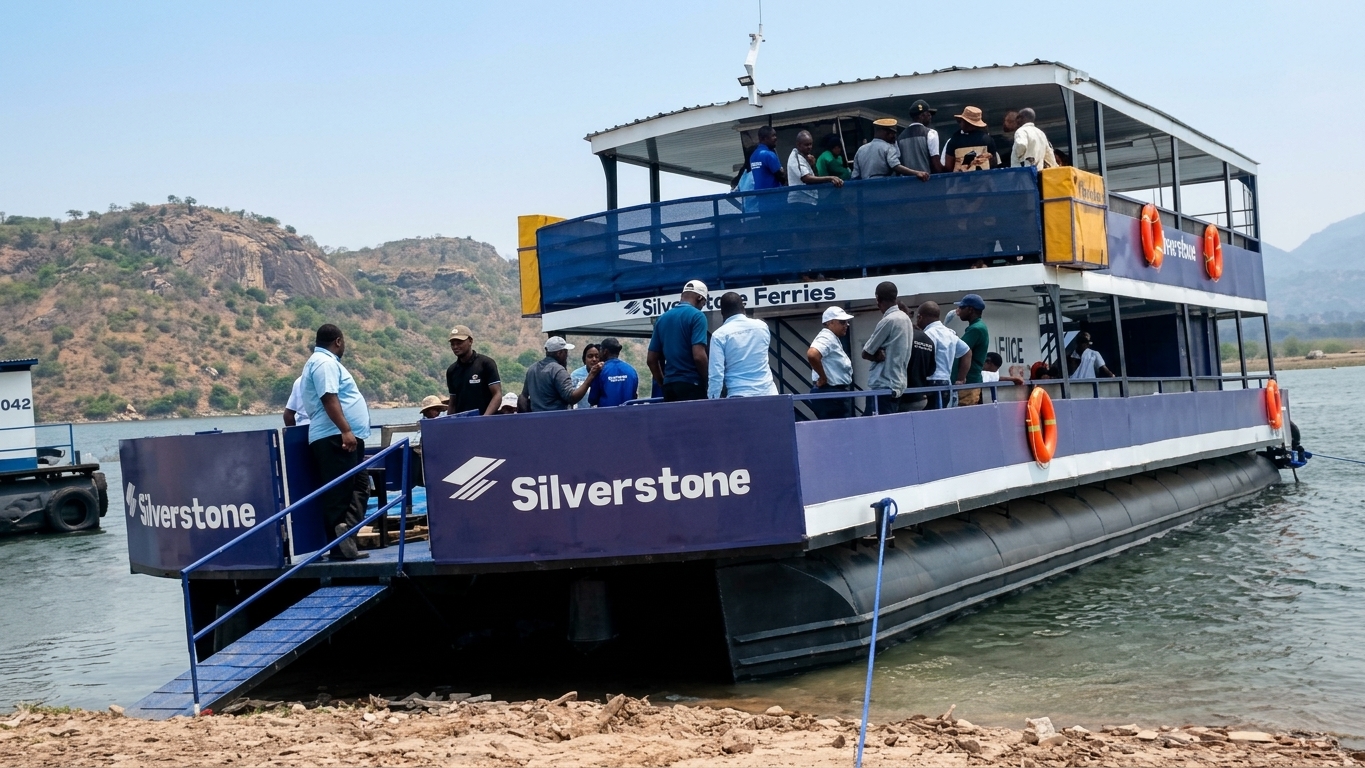
Police divers have recovered the body of Albert Simbarashe Muchenga, who reportedly went into Lake Kariba from the Silverstone passenger boat during a scheduled journey between Kariba and Chalala.
The Zimbabwe Republic Police Sub-Aqua Unit retrieved Muchenga from a depth of about 25 metres at Musamba Fishing Camp in Nyaminyami Ward 3 on Wednesday. He had reportedly entered the water on Tuesday while the vessel was temporarily docked at the camp to offload passengers and cargo.
Silverstone boats director William Nyangove, who was part of the crew, said passengers alerted staff after Muchenga went into the lake. The crew tried to find him using speedboats, but could not locate him before the police divers arrived.
“We heard other passengers alerting us that one passenger had jumped into the water. We tried to comb the waters around the boat since we had speed boats, but we were unlucky,” he said.
Nyangove said Muchenga had not been drinking alcohol on board before the incident. Police said the body would be taken for a post-mortem examination as part of their investigations.
The recovery brought an end to the search at Musamba, where the boat had stopped on its route from Kariba to Chalala. The stop was part of the vessel’s work carrying both people and goods to communities along the lake. The brief account of the incident gave no explanation for why Muchenga entered the water, and no motive has been publicly established.
After the body was recovered, Sabhuku Bikausaru Gwangwaba called for more traditional cleansing ceremonies, particularly in rural Kariba, saying they could help reduce the number of deaths on the lake. His appeal has renewed attention on the ceremonies held after the August ferry disaster, when traditional leaders conducted cleansing rites before passenger services resumed.
The death comes less than three months after the capsizing of the government-owned Mbuya Nehanda ferry, one of the worst tragedies on Lake Kariba. The vessel overturned on 11 August, killing 97 people. Seventy-seven people survived, according to figures reported after the disaster.
The loss of life prompted a suspension of passenger boat services across the lake from 11 August until early October. The pause affected residents of Nyaminyami, Siakobvu, Chalala and fishing camps who depend on boats for routine travel and trade. For many households, water transport is not a leisure service. It is how people reach markets, clinics, schools, funerals and work, and how fish, mealie-meal, fuel and other basic goods move between lakeside settlements.
When the services stopped, journeys became harder and more expensive. Residents and traders had to manage without the usual link between Kariba and communities that are difficult to reach by road. The suspension also interrupted the movement of fish and other goods that support local livelihoods. Passenger services returned in October after traditional leaders held cleansing ceremonies at several sites on the lake, including Snake Island, Kariba Island and the dam wall.
The new MV Silverstone was introduced to restore the Kariba-to-Chalala connection. The passenger and cargo ferry was certified for 60 passengers and four crew members. Its advertised route includes stops at fishing camps, among them Kings Camp and Musambakaruma. Regular sailings were announced for Tuesdays and Fridays, with the vessel departing from Lake Harvest Harbour in the morning.
Safety provisions announced for the service included at least 120 life jackets and floaters, as well as two speedboats accompanying each trip. The operator also said cargo would be weighed so that the vessel remained within its stated 18-tonne limit, which includes passengers and cargo. Travellers were told to observe the 60-passenger limit.
Those arrangements form part of the context for the latest death, but the incident involving Muchenga was reported as a separate event. The available account says the vessel was stopped at Musamba while passengers and cargo were being put ashore. It does not say that the ferry capsized or that other passengers were injured. Nyangove said the crew responded after fellow passengers raised the alarm and attempted a search with speedboats.
The August disaster is still the subject of an inquiry. A three-member board was appointed to examine the Mbuya Nehanda accident, which took place near Long Island. The vessel’s capsizing triggered a large search-and-recovery operation involving police divers and boats. The final toll of 97 deaths left many families mourning and communities along the shore without the transport they rely on.
For lakeside residents, the return of boat services restored an essential connection, but Wednesday’s recovery has brought another death into focus. Muchenga’s body was found deep below the surface at the same fishing camp where the Silverstone had stopped during its journey. Police said a post-mortem examination would form part of their investigation, while Gwangwaba renewed his call for further ceremonies in rural Kariba.
The ferry’s cargo role matters to fishing settlements as well as to passengers. It was designed to carry items such as ice blocks used to preserve fish and salt used in drying kapenta. Published fares for the route varied by destination: the Kariba-to-Chalala journey was listed at US$15, while shorter trips to Kings Camp or Musambakaruma cost less. The timetable and ticket information gave residents a way to plan trips to the camps, markets and services linked by the boat. The ferry’s return therefore restored more than a passenger journey; it also reopened a channel for moving goods between the town and lakeside communities.