


Civil servants will receive their 2026 annual bonuses in two equal instalments, with half due in November and the remaining half in December, under payment arrangements announced by the National Joint Negotiating Council (NJNC). Government pensioners are also due a flat cushioning allowance in December, although no amount for the allowance was specified in the announcement.
For public service employees in Grades A to D, the bonus will be calculated at 100 per cent of pensionable emoluments. The NJNC defined those emoluments as basic salary, in-service allowance and administration allowance. The statement did not provide a cash figure for the bonus, which means the amount will depend on each eligible employee’s relevant pensionable pay.
“The payment modalities for the 2026 Annual Bonus for members of the Public Service are as follows: Grades A to D bonus will be calculated at 100 percent pensionable emoluments (basic salary, in-service allowance and administration allowance),” read part of the statement.
“Payment will be staggered in two equal instalments, 50 percent will be paid in November 2026 and the remaining 50 percent will be paid in December 2026. The NJNC also noted that Treasury has approved a flat cushioning allowance for Government Pensioners payable in December 2026.”
The announcement sets out both the basis for calculating the bonus for Grades A to D and the timetable for payment. The first instalment will amount to half of the bonus, with the balance to follow the next month. It does not specify individual payment dates, or give further detail about how bonuses for grades outside A to D will be calculated.
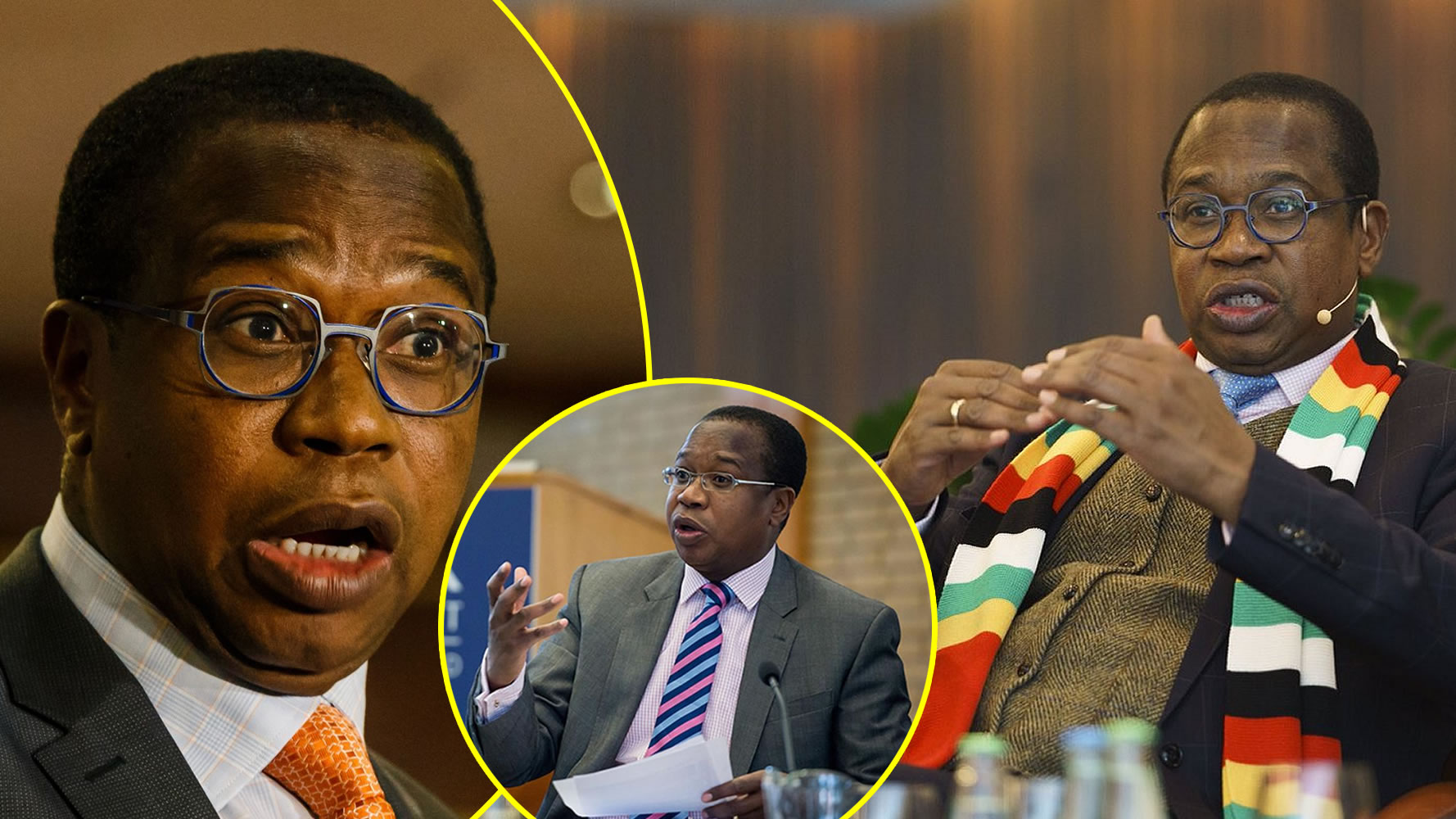
The NJNC said the decision followed a meeting on November 2 at Kaguvi Building in Harare. The council reaffirmed the Government’s commitment to meeting its annual bonus obligations. Finance Minister Professor Mthuli Ncube had also told civil servants that the payments would be made, saying in an interview on Saturday that Government remained committed to honouring them.
The announcement comes as Treasury faces competing demands across the public sector. At the close of the 2027 National Pre-Budget Seminar in Bulawayo, Ncube said ministries, departments and agencies had submitted funding requests totalling ZiG974 billion, while the expenditure envelope available for the coming budget was ZiG347 billion. The requests were nearly three times the stated envelope, and the minister said ministries would have to work within the available limit.
“We know we have an envelope. We know we have to live within it. And, of course, ministers will ask for more. Why not ask for more?” Ncube said at the seminar.
He also described the Government’s approach as a cash budgeting system. “We use a cash budgeting system. We spend what we have. We live within our means.” Treasury said a strengthened Cash Management Committee would forecast cash flows one to two weeks ahead to align budget releases with funds expected to be available. Ncube acknowledged concerns about releases running ahead of cash receipts and said the committee would be used to improve coordination.
Treasury also said projects worth more than US$2 million would require its concurrence, as it seeks to control commitments and limit the accumulation of domestic arrears. The budget measures relate to wider government spending and the 2027 planning process; the NJNC’s bonus statement separately sets out the November and December payment schedule for this year.
Alongside the pay announcement, the NJNC formally adopted the Public Service Occupational Safety and Health Policy. The council said it would support the policy’s dissemination and implementation, as well as its monitoring and periodic review.
The policy was gazetted last year and replaced older legislation, including the Factories and Works Act and the Pneumoconiosis Act. It is intended to reduce workplace injuries, diseases and deaths across sectors. Among the protections described for workers is the right to refuse work that presents imminent danger without fear of punishment or dismissal.
By linking the policy’s adoption to its work on public service conditions, the NJNC has put workplace safety alongside pay in its latest round of decisions. The council’s stated commitment covers not only circulating the policy but also tracking how it is implemented and reviewing it periodically. The announcement did not set out a timetable for those activities.
Ncube has also said Government began extending annual bonus payments to traditional chiefs last year, recognising their role in communities. He described the payments as a first since independence in 1980 and said chiefs had been included alongside civil servants.
“We have even started paying bonuses even for our traditional chiefs, which has never happened since independence in 1980. “We also recognise the good work that they do and we were able to cover them as well. But civil servants’ bonuses, we are going to pay those,” he said.
For this year’s public service bonus, the clearest details are the calculation basis for Grades A to D and the split payment plan. Half is scheduled for November and half for December, while pensioners are due a flat allowance in December. The NJNC’s statement confirms the arrangement but gives no monetary value for the pensioner allowance and no exact payday for either instalment.