


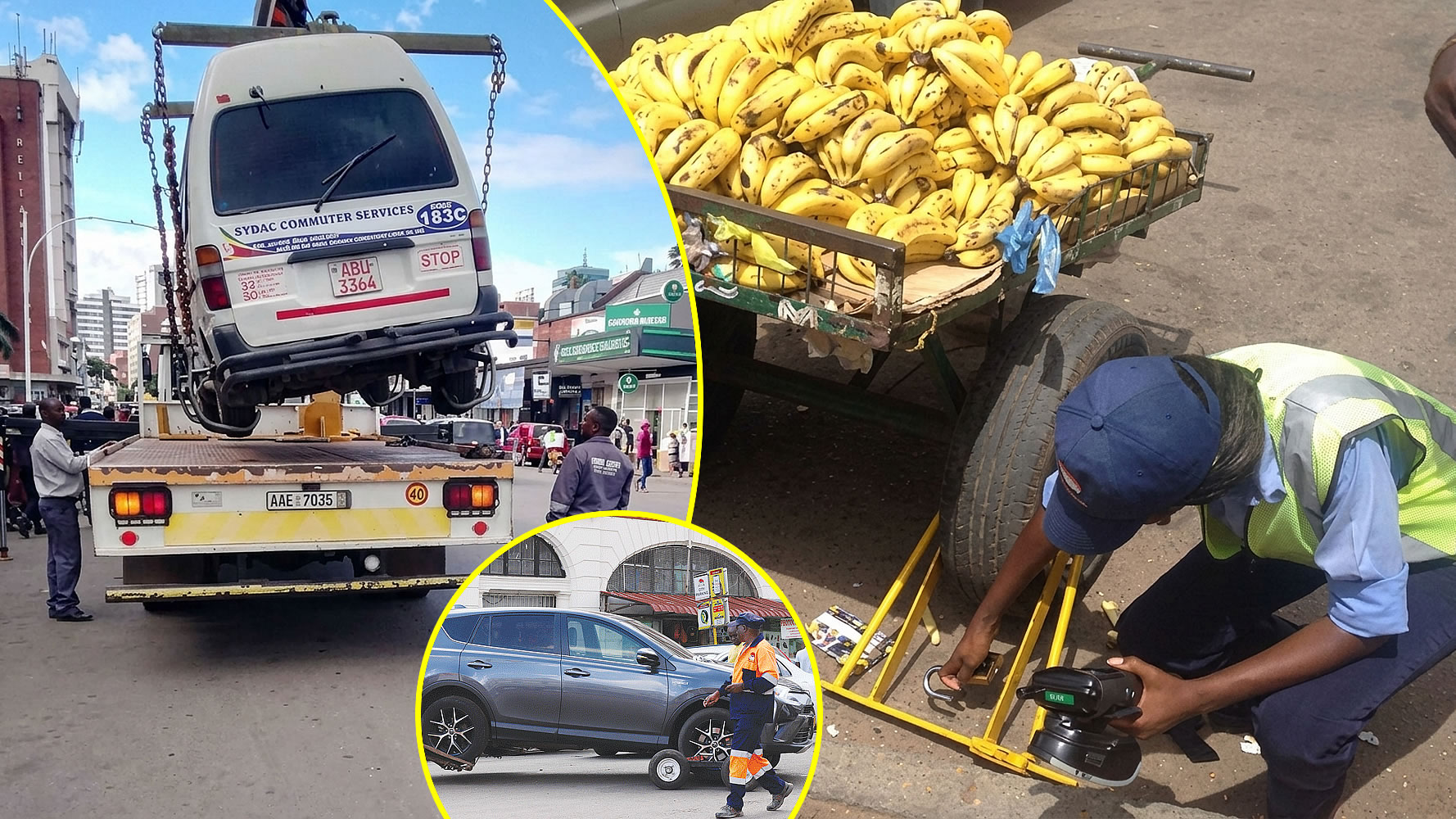
Harare proposes lower traffic penalties as illegal-dumping fines soar
HARARE — Harare City Council is proposing to cut some traffic-enforcement charges by half while sharply increasing penalties for illegal waste disposal, a mixed tariff package that would shift the cost of parking offences and rubbish dumping in the capital from January 2027 if approved.
The proposed traffic schedule reduces the prescribed enforcement penalty from US$20 to US$10 and the related administration charge from US$10 to US$5. At the same time, a number of waste-related penalties would rise steeply, including a proposed increase of nearly 178 per cent for dumping domestic rubbish from standard refuse containers or carts.
Residents have until November 30, 2026, to lodge objections to the proposed tariffs. The changes are scheduled to take effect on January 1, 2027, subject to approval.
The new charges are set against a continuing struggle to remove rubbish from Harare’s neighbourhoods. A June 2026 account of council and waste-management data put the city’s daily waste generation at about 995 tonnes, while collection levels remained below half of the total. The resulting gap was estimated at more than 180,000 tonnes of refuse a year.
The same figures showed that Harare was operating 33 refuse trucks, compared with an estimated 120 needed for reliable collection across the city. Mbare, Glen View, Budiriro, Mabvuku and parts of the central business district were identified as areas with significant waste accumulation.
The city’s published refuse collection and sanitation schedule lists 37 suburbs across 5 zones, with collections scheduled from Monday to Saturday and daily collection in the central business district. The council identifies Geo Pomona Waste Management as its service partner and provides a hotline for missed collections.
Under the proposed enforcement tariffs, illegal discharge of domestic or industrial effluent would attract a US$1,500 penalty, up from US$616. Businesses caught dumping industrial or commercial waste in undesignated places would face a proposed US$950 charge, compared with US$385 at present.
The proposed penalty for dumping domestic waste from a motor vehicle rises from US$113 to US$300. For waste dumped from a standard refuse container or cart, the amount would increase from US$36 to US$100. That is a rise of US$64, or nearly 178 per cent.
Ordinary monthly residential refuse-removal charges are not changing under the proposal. Households in high-density areas would continue to pay US$8.97 a month for one weekly collection, while low-density households would continue to pay US$12.71.
The scale of the fines contrasts with the daily problems residents describe when collection does not happen. In Mabvuku, resident James Tofa said: “When trucks don’t come, people have nowhere to put the rubbish. It ends up in drains, open spaces and along roadsides.”
In Mbare, resident Kudzai Gwati described a familiar cycle of rubbish returning after it has been swept away. “Tomorrow it will be bigger,” she said.
Harare’s waste difficulties have prompted emergency clean-up efforts before. In 2024, the Government said the first phase of Operation Chenesa Harare had cleared more than 250,000 tonnes of garbage, but illegal dumpsites began appearing again in some areas after the initial operation ended. The Government then announced a second phase and said it was considering longer-term arrangements after the council requested central-government help with solid-waste collection.
At the time, Information Minister Jenfan Muswere said: “Despite the Harare City Council levying and collecting rates for the purpose of waste management and having adequate legislative provisions to support such functions and operations, it has continuously failed to provide functional systems for solid waste management.”
The proposed 2027 waste penalties add another enforcement measure to that record of clean-ups and service changes. Their practical impact will depend on both the city’s ability to identify offenders and the availability of regular collection, particularly in the high-density suburbs where the reported truck shortage and waste build-up are most severe.
For motorists, the tariff review also changes some wheel-clamping charges while leaving others untouched. Drivers of light vehicles in the central business district would continue to pay US$20 for clamping. The proposed charge for commuter omnibuses carrying more than 18 passengers falls from US$25 to US$20.
Clamping charges for conventional buses and lorries would drop from US$30 to US$20. Articulated heavy lorries would also pay US$20, down from US$30.
Tow-away charges for light vehicles would remain at US$20, while storage for light motor vehicles would stay at US$10. The council would retain an additional US$0.50 per kilometre when a vehicle is towed from outside the central business district.
The proposed reductions do not remove the city’s wider parking-enforcement system. Council enforcement agents currently issue tickets and may clamp or tow vehicles parked unlawfully or left in a bay after paid time expires. The draft tariff schedule revises specified penalties and vehicle-class charges; it does not propose abolishing clamping or towing.
Taken together, the proposals offer motorists lower charges in some categories but leave key light-vehicle costs unchanged. For waste disposal, they would make the financial consequences substantially heavier for households, motorists and businesses caught dumping rubbish or discharging effluent unlawfully.
The consultation period gives residents and businesses until November 30 to submit objections before the council’s 2027 tariff decisions are finalised. If adopted, the revised charges would begin on January 1, 2027, while residential refuse-removal fees would remain at their current proposed levels.