
Zimbabwean civil servants have begun receiving their 2026 annual bonuses, bringing extra spending money to households ahead of the festive season, but workers will have to wait until December for the second half of the payment.
Employees in the security sector were among the first to receive the 13th cheque, with some reporting that the money had reached their bank accounts last week. Health workers have also started receiving payments. The Government is paying the annual bonus in two equal instalments: 50 percent in November and the remaining 50 percent in December.
The first deposits have already been felt in shops. A local retail outlet was busy with customers doing their grocery shopping as civil servants accessed the additional income. With Government among the country’s largest employers, the annual payment is expected to bring a seasonal boost to household spending and to businesses selling food and other everyday goods.
For many public workers, the bonus is arriving at a time when family budgets are under pressure. One police officer said the extra funds appeared alongside the regular salary deposit, which usually reaches accounts around the middle of the month.
“As per the norm our salaries reflect in our bank accounts around the 13th of each month and together with my colleagues, we noticed that additional money had been deposited.
“My calculations showed that Government has paid 50 percent of the bonus and if the same payment plan that was used last year is followed then we expect the other 50 percent to be paid next month,” said a police officer who refused to be named.
The payment schedule had been set out earlier in November following a meeting of the National Joint Negotiating Council (NJNC) in Harare. The council confirmed that the annual bonus would be split evenly across the 2 months. The arrangement means employees will receive half of their 2026 bonus this month and the rest in December, rather than having the entire amount paid at once.
For civil servants in Grades A to D, the bonus is calculated at 100 percent of pensionable emoluments. These include basic salary, in-service allowance and administration allowance. The precise amount therefore varies according to each worker’s pensionable pay. The publicly announced payment details set out the calculation basis for those grades, alongside the November-December timetable.
The staggered payment has prompted mixed reactions among workers. Some welcomed the additional money and said it would help with household expenses, while others would have preferred to receive the whole bonus in one payment. A larger single deposit, they said, would make it easier to plan bigger purchases or put money into projects.
The first group of recipients included security workers, and the early deposits have prompted anticipation in other parts of the public service. A primary school teacher said education-sector workers were expecting their salaries and were hopeful that the first part of the bonus would also appear in their accounts.
“Our pay slips show that teachers and other workers in the education sector are getting paid tomorrow and we also expect our bonuses to reflect in our bank accounts,” she said.
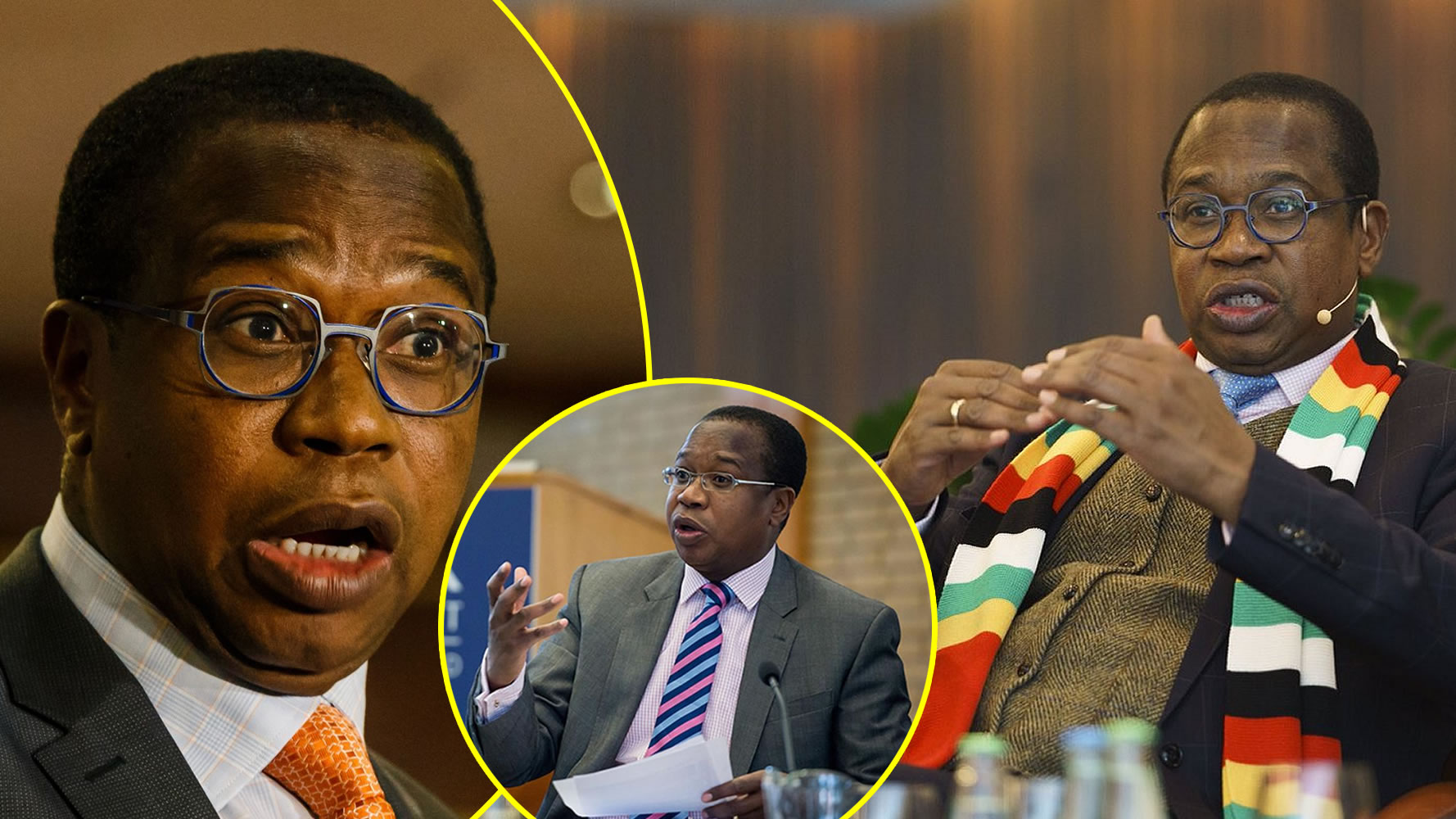
Finance Minister Professor Mthuli Ncube had earlier assured civil servants that the Government would pay the annual bonus. He gave the assurance on the sidelines of the 2027 National Pre-Budget Seminar in Bulawayo, where he said the payments would be met without difficulty and reaffirmed the Government’s commitment to the 13th cheque.
“The civil servants bonus payments will be met without difficulty. We are going to pay bonuses to civil servants as has become the norm. As you know since the coming in of the Second Republic, we have never missed paying bonuses to civil servants. We thank them for their hard work. We will be paying bonuses again this year,” said Minister Ncube.
The bonus pledge was made as the Government considered competing spending requests for the next national budget. At the pre-budget seminar, Ncube said ministries, departments and agencies had submitted requests totalling ZiG974 billion, while the available expenditure envelope for 2027 stood at ZiG347 billion. He said Government would have to work within the resources available.
“We know we have an envelope. We know we have to live within it. And, of course, ministers will ask for more. Why not ask for more?” Ncube said.
He also described the system as cash budgeting, saying the Government spends what it has. Treasury outlined plans to strengthen its Cash Management Committee, which is expected to forecast cash flows 1 to 2 weeks ahead and coordinate the timing of budget releases with funds available. The minister also said projects worth more than US$2 million would require Treasury approval as part of efforts to manage government commitments.
Those budget discussions concern the wider management of public spending, while the NJNC’s bonus arrangement sets out the agreed payment timetable for public-service workers. The first half is now reaching employees, and the other half is due in December. The Government has not announced a specific day on which the next instalment will be deposited.
The bonus programme has also been extended to traditional chiefs. Ncube said the Government began making annual bonus payments to chiefs last year, recognising their work in communities. He said the Government had not previously paid them bonuses since independence in 1980.
“We have even started paying bonuses even for our traditional chiefs, which has never happened since independence in 1980. We also recognise the good work that they do and we were able to cover them as well. But civil servants’ bonuses, we are going to pay those,” he said.
Government pensioners are also due a flat cushioning allowance in December. The allowance was approved by Treasury, but no amount was specified in the announcement. It is separate from the civil servants’ two-part annual bonus payment.
The Zimbabwe Confederation of Public Sector Trade Unions (ZCPSTU) welcomed the start of the bonus payments, saying the Government had honoured an undertaking made to worker representatives at the NJNC. The union described the payment as evidence of constructive engagement and said the bonus formed an important part of workers’ financial planning.
ZCPSTU president Mrs Cecilia Alexander Khowa said the additional money would help public workers meet pressing family and household obligations amid economic difficulties and rising living costs.
“We are pleased to note that Government has honoured this undertaking, demonstrating the importance of constructive engagement, mutual respect and adherence to agreements reached through collective bargaining,” she said.
“For civil servants, this payment provides some relief and an opportunity to meet pressing family and household obligations,” she said.
Khowa said the bonus payment did not resolve wider concerns raised by public-sector workers. The union continues to call for improved remuneration, implementation of the Fair Wage Principle, stronger social security, decent working conditions and protection of workers’ rights.
“We wish to emphasise that our recognition of this positive development does not diminish the outstanding issues affecting public sector workers,” she said.
“These include the need for improved remuneration, the implementation of the Fair Wage Principle, adequate social security, decent working conditions and the protection of workers’ rights.”
The NJNC has also adopted the Public Service Occupational Safety and Health Policy, adding workplace safety to the issues under discussion between the Government and public-service representatives. The policy is intended to address workplace injuries, diseases and deaths and includes protections for workers facing imminent danger at work.
For employees who have already received the first deposit, the next key date is December, when the remaining half is scheduled to be paid. Until then, the November instalment is giving households additional room to meet immediate costs, while the union says pay and working conditions remain on the agenda for further engagement.