

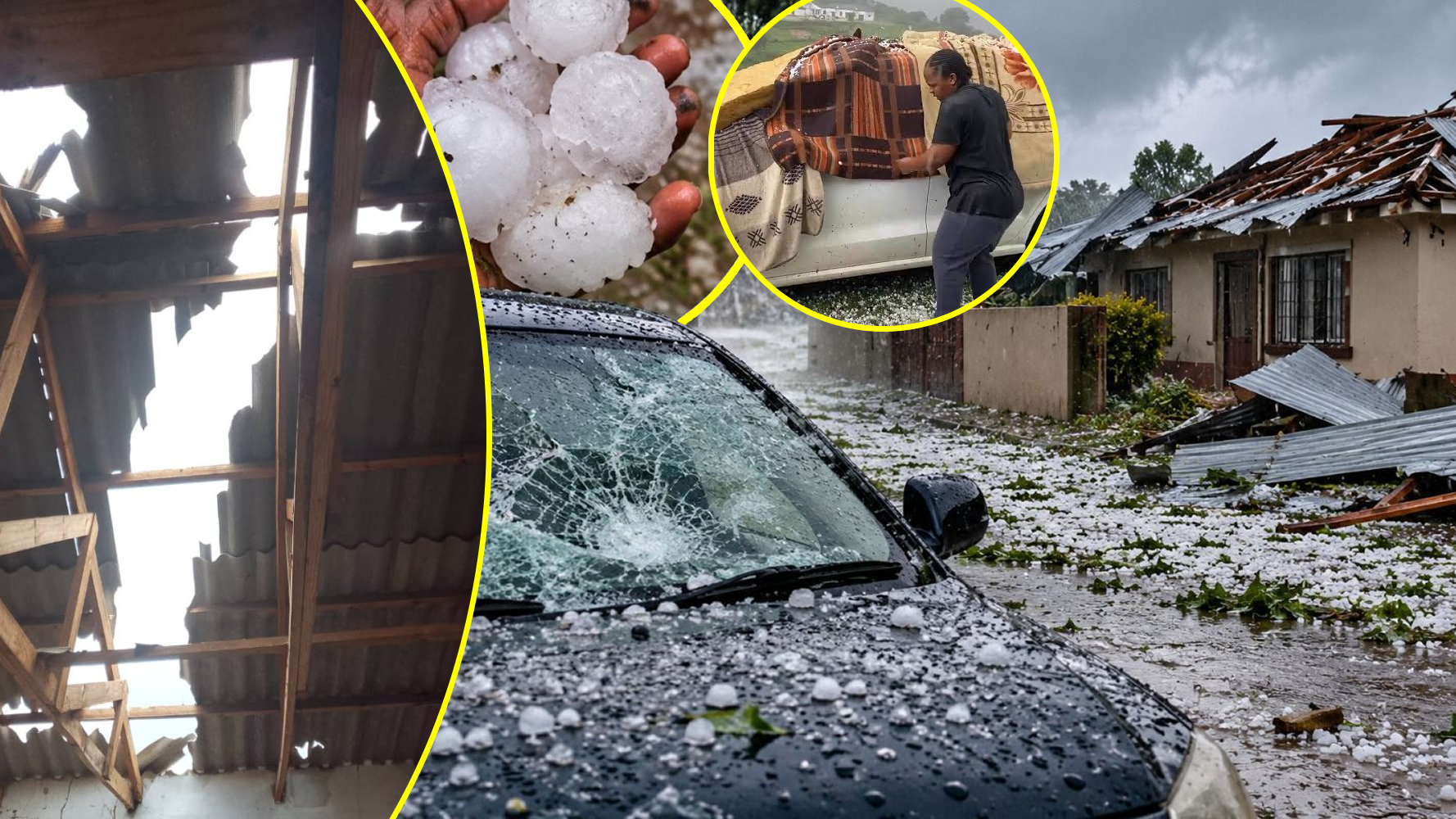
Zimbabwe is set to receive continued rainfall over the next 15 days, offering a critical window of moisture for farmers across the country even as authorities warn communities to stay on high alert for violent thunderstorms, flash flooding, and deadly lightning strikes.
The fresh 15-day wet spell outlook comes at a delicate moment in the 2026/27 summer cropping season. While broader seasonal climate projections point toward hotter and drier conditions driven by a persistent El Niño phenomenon, short-term weather patterns are delivering heavy, localized bursts of rain that carry both agricultural promise and severe physical danger.
Agriculture, Mechanisation and Water Resources Development Permanent Secretary Obert Jiri confirmed the extended rainfall outlook, urging farmers to take advantage of the incoming moisture while remaining cautious about the overarching seasonal drought threat.
“The rainfall outlook brings encouraging news as we look forward to more rains over the coming 15 days,” Jiri said in a statement. “This is a positive development for our agricultural season and an opportunity for farmers to make the most of the 2026/27 summer cropping season. While remaining mindful of the El Niño-induced drought forecast, farmers are encouraged to continue adopting climate-smart agricultural practices, stagger planting and prioritise traditional grains and drought-tolerant crop varieties. Through our Six-Pillar Drought Mitigation Strategy, Government remains committed to strengthening preparedness, supporting farmers and safeguarding national food security.”
Moisture circulating over the country has already begun triggering scattered thundershowers across several provinces. Recent rainfall measurements recorded significant downpours in multiple locations, led by Birchenough Bridge which received 67 millimetres of rain. Makoholi recorded 64 millimetres, while Zvishavane registered 48 millimetres and Grand Reef in Mutare measured 33 millimetres.
Across major cities and towns from late November into mid-December 2026, the weather pattern will follow a distinct early-summer rhythm. Mornings in Harare, Chitungwiza, Chinhoyi, and Bindura will generally open mild and partly cloudy before daytime temperatures climb between 26°C and 32°C, triggering scattered afternoon thunderstorms and occasional hail. In the Eastern Highlands, high humidity and mountain-induced cloud buildup around Mutare will keep daytime highs cooler at 25°C to 29°C while bringing frequent afternoon showers and localized heavy downpours.
Further south and west, Bulawayo, Gweru, Kwekwe, and Masvingo will experience warm to hot afternoons ranging from 25°C to 34°C, punctuated by intermittent rainy spells early in December before drier, hotter intervals return. Meanwhile, low-lying areas along the Zambezi and Limpopo basins—including Kariba, Victoria Falls, Hwange, and Beitbridge—face intense daytime heat between 29°C and 37°C, where high humidity will fuel late-afternoon and evening heat storms accompanied by strong wind gusts.
Mounting Trail of Destruction
While the forecast brings relief to fields and pastures, the early weeks of the 2026/27 rainy season have already left a heavy trail of destruction and loss of life across the nation. Heavy rains, hailstorms, and powerful winds have affected more than 20,210 households and damaged 17,220 houses nationwide since the start of the season, leaving communities in urgent need of tarpaulins, tents, and construction supplies as the Department of Civil Protection (CPU) and local committees coordinate relief efforts.
Public infrastructure has not been spared. In Chinhoyi’s Ward 15, a violent afternoon storm blew the roof off Shackleton Clinic and flooded the facility, forcing operations to suspend and disrupting healthcare access for roughly 4,000 residents in the former mining community and surrounding farming areas. Patients in the area now face journeys of more than eight kilometres to reach the nearest alternative health facility in Alaska. Earlier in the season, a severe hailstorm in Masvingo also damaged homes, vehicles, and public buildings, forcing city authorities to open Mucheke and Rujeko halls as temporary shelters for displaced families.
Tragedy has also struck communities caught outdoors during sudden afternoon storms. In Lower Gweru in the Midlands Province, two young girls—aged 15 and four—were killed by lightning in separate incidents while walking during stormy weather. Four-year-old Tinevimbo Mudariki was struck while walking home with other pupils from an Early Childhood Development (ECD) school, while the 15-year-old girl was fatally struck while walking with two women.
In urban centres, heavy downpours have exposed strained drainage networks. In Harare, municipal authorities have issued urgent appeals to residents to stop dumping rubbish into storm drains after blocked waterways caused localized flash flooding on city streets. Residents’ associations have also called on council teams to map flood-prone settlements and clear blocked culverts before heavier December rains arrive.
Official Advisories and Safety Protocols
The Meteorological Services Department (MSD) and the Department of Civil Protection have maintained active countrywide weather advisories, warning that scattered thunderstorms over the coming days may be accompanied by destructive winds, hailstorms, lightning strikes, and localized flash flooding.
Because early-summer storms build rapidly in the afternoon heat and dry, compacted soil cannot absorb sudden downpours quickly, emergency responders and police have urged the public to follow strict safety measures:
-
Protecting Against Lightning: Zimbabwe experiences high rates of lightning strikes during the onset of the rains. Authorities advise people to move immediately inside a fully enclosed brick or concrete building as soon as thunder is heard. Residents must never shelter under tall or isolated trees, and should avoid open fields, high ground, open gazebos, or thatched structures lacking lightning conductors. Inside buildings, people should stay away from running tap water, showers, and corded electrical appliances until the storm passes.
-
Surviving Flash Floods: Motorists and pedestrians are warned never to attempt crossing flooded rivers, swollen streams, or submerged low-level bridges. Fast-moving water just 15 to 30 centimetres deep can knock an adult off their feet, while 60 centimetres of water is enough to sweep away most vehicles. Households in low-lying areas should identify higher ground and clear gutters and storm drains around their properties.
-
Preparing for Hail and Strong Winds: Homeowners are encouraged to secure loose roofing sheets, trim overhanging tree branches near houses, and remove loose outdoor objects that could become dangerous projectiles during strong downburst winds. Vehicles should be parked under solid cover where possible, and motorists are advised to postpone unnecessary journeys when severe storms develop.
-
Guarding Health and Managing Heat: In hot, low-lying regions where temperatures exceed 32°C between rain bursts, residents should drink plenty of clean water and schedule strenuous outdoor work for early mornings or late afternoons. To prevent waterborne illnesses such as cholera and typhoid following heavy runoff, drinking water should be boiled or treated, and stagnant water around homes should be drained to curb mosquito breeding.
With weather conditions shifting rapidly from scorching morning sunshine to violent afternoon downpours, authorities continue to urge citizens across every province to monitor daily MSD weather updates and heed local civil protection alerts throughout the next 15 days.