


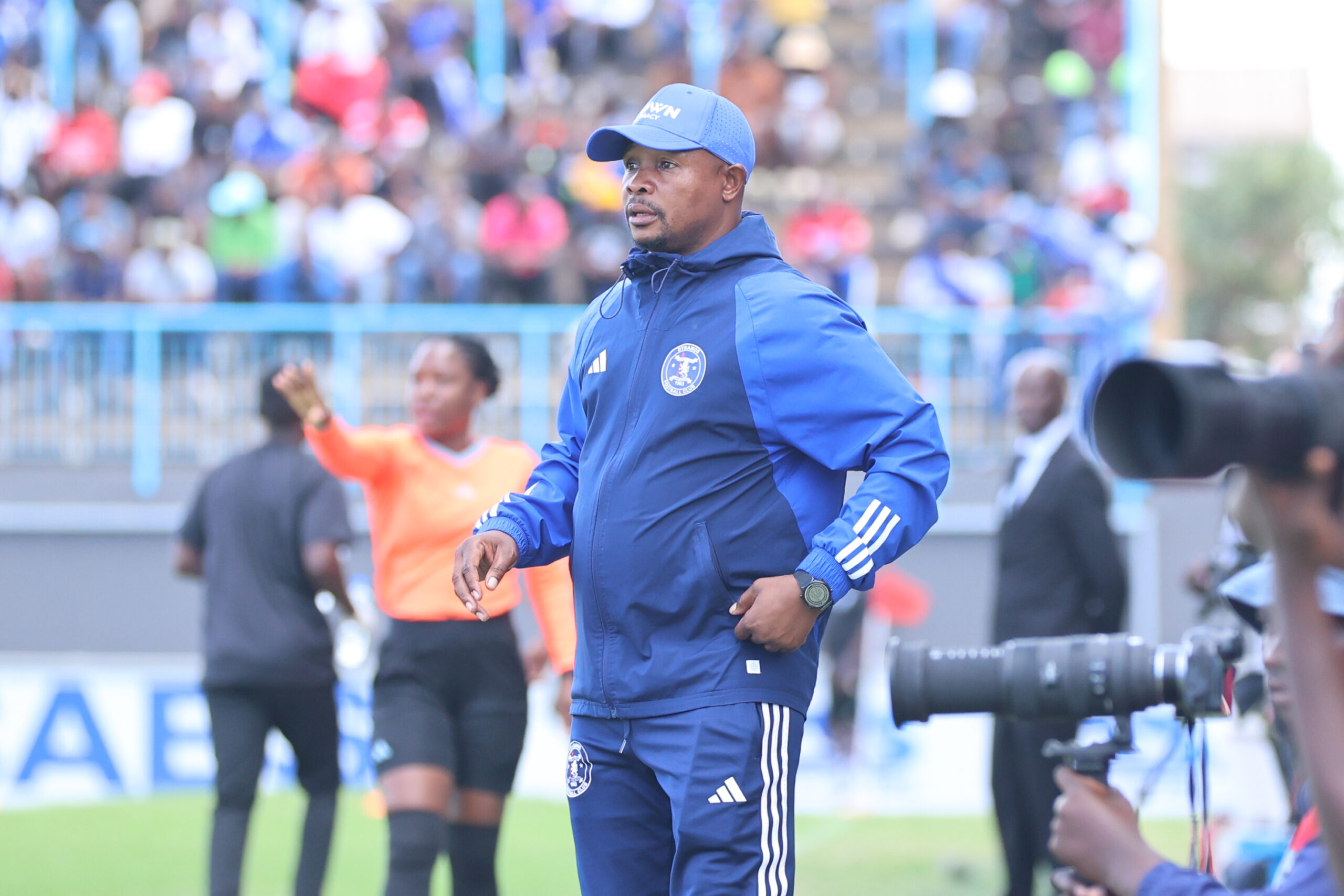
Harare – The hallowed grounds of Rufaro Stadium, once a vibrant theatre of dreams for Dynamos Football Club, now echo with a disquieting silence. Despite a recent 2-1 victory over Ngezi Platinum Stars, a result that would typically unleash a torrent of joyous celebration, the atmosphere among the club’s supporters remains subdued, even resentful. This paradox lies at the heart of the “Rufaro Rebellion,” a burgeoning movement among Dynamos fans who are actively shunning matches, not in the face of defeat, but in protest against what they vehemently describe as “boring football.” This unprecedented stance has plunged the nation’s most storied football institution into what many are now terming the “Dembare crisis,” laying bare a profound and increasingly acrimonious schism between the technical bench and its fiercely loyal, yet profoundly disenchanted, fanbase.
At the epicentre of this rebellion is the tactical philosophy espoused by coach Genesis Mangombe. His preferred “possession-based” style, while demonstrably effective in securing points, is being met with widespread condemnation from supporters who perceive it as a stark departure from the exhilarating, attacking football that has historically defined Dynamos. Fans, whose collective memory is steeped in decades of fluid, incisive play, now find themselves enduring matches that, despite yielding favourable outcomes, consistently fail to ignite their passion or capture their imagination. This pervasive sense of “tactical boredom” has become the rallying cry of the disaffected, with many vociferously asserting that Mangombe’s pragmatic approach is systematically eroding the very “soul” of the Glamour Boys, stripping the team of its distinctive identity and flair.
The sight of Rufaro Stadium’s increasingly empty stands serves as a stark and poignant visual metaphor for this escalating discontent. What was once an impenetrable fortress of noise, rhythm, and vibrant colour is now frequently a desolate expanse, a spectacle that would have been utterly inconceivable just a few short seasons ago. The recent 2-1 triumph against Ngezi Platinum Stars, for instance, was played before a noticeably diminished crowd, underscoring a critical shift in the priorities of the Dembare faithful: for them, a “win” is no longer the sole, or even primary, arbiter of success. They demand not merely points, but a captivating spectacle, an unwavering display of passion, and a tangible reflection of the club’s illustrious attacking heritage on the pitch. This evolving expectation from the fanbase presents a formidable challenge to the club’s hierarchy, as the traditional metric of success – securing victories – is now being critically re-evaluated against the imperative for engaging and entertaining football.
This fan boycott is far from a spontaneous eruption of momentary frustration; rather, it represents the culmination of deep-seated tensions and a pervasive sense of alienation between the club’s leadership, the coaching staff, and its devoted supporters. Whispers of a “hidden agenda” circulate among certain fan factions, suggesting that the current, ostensibly uninspiring, style of play is a deliberate strategy to marginalise and disempower the fanbase, perhaps even as a covert means to engineer the coach’s departure. While such allegations remain unsubstantiated and speculative, they powerfully illuminate the profound erosion of trust that has taken root within the extended Dynamos family. The fans, often reverentially referred to as the “seventh player” for their unwavering support and influence, feel their voices are being systematically ignored, fostering a profound sense of betrayal and marginalisation that threatens to irrevocably fracture the club’s unity.
The economic repercussions of this “boring football” are both immediate and deeply concerning. Dynamos, as a premier football club, is intrinsically reliant on a robust revenue stream derived from gate receipts, merchandise sales, and lucrative sponsorship agreements to sustain its extensive operations. The precipitous decline in attendance figures directly translates into substantial losses in revenue, adversely impacting every facet of the club, from player salaries and welfare provisions to critical youth development initiatives. Major corporate sponsors, such as Sakunda Holdings, who have invested considerable capital and trust in the Dynamos brand, are undoubtedly scrutinising the unfolding situation with increasing apprehension. A protracted period of dwindling attendance and pervasive fan disengagement could severely jeopardise future investment, thereby initiating a perilous cycle where financial instability further debilitates the club’s capacity to attract elite talent and enhance its on-field performance. The “economics of the stadium” are unequivocally clear: the perceived “boring football” is directly and deleteriously impacting the club’s financial solvency, posing an existential threat to its long-term viability and competitive standing.
Recent events within the club further underscore the profound depth of this crisis. Earlier, alarming reports surfaced detailing threats by Dynamos players to boycott training sessions in the crucial run-up to a highly anticipated Harare Derby against arch-rivals CAPS United – a match in which Dembare eventually lost to Makepekepe. While the underlying motivations for this threatened industrial action were multifaceted, encompassing issues related to player welfare and contractual disputes, it unequivocally signalled a pervasive internal instability that extends far beyond the tactical preferences of the head coach. Furthermore, the club has been plagued by a series of executive upheavals, most notably the decisive intervention by owner Bernard Marriot Lusengo, who, at one juncture, unilaterally dissolved the entire executive team, then led by Moses Maunganidze, citing their demonstrable failure to effectively manage the club’s affairs. These incessant internal power struggles, coupled with persistent administrative turbulence, have undoubtedly contributed to the prevailing climate of uncertainty and exacerbated the already simmering fan dissatisfaction, creating a volatile environment ripe for rebellion.
The enduring clash between the “expectations of the street” and the “philosophy of the bench” is a perennial dilemma in the world of football, but at Dynamos, this ideological divergence has reached an acute and critical juncture. The fans, who have stoically endured a prolonged period of fluctuating fortunes since the club’s last league title triumph in 2014, firmly believe they possess an inalienable right to demand more than mere results. Their collective yearning is for a return to the exhilarating, attacking brand of football that once rendered Dynamos the undisputed benchmark of Zimbabwean footballing excellence. Coach Mangombe, conversely, appears steadfastly committed to his pragmatic, possession-oriented methodology, prioritising meticulous control and strategic efficiency over unbridled spectacle. This fundamental ideological chasm has created an intractable impasse, with neither faction seemingly prepared to yield ground, thereby perpetuating a cycle of mutual frustration and deepening the divide.
This unfolding narrative is a powerful testament to the immense and often underestimated “power of the fans” in irrevocably shaping the trajectory and ultimate destiny of a football club. Their collective voice, articulated through the poignant symbolism of empty seats and the resonant force of vocal protests, represents a potent and undeniable force that no club hierarchy can afford to disregard. It is simultaneously a lament for the perceived “death of entertainment” within what was once universally revered as Zimbabwe’s most iconic football cathedral.
The Rufaro Rebellion serves as a profound and timely reminder that in the intricate tapestry of football, particularly for clubs imbued with such a rich historical legacy and an impassioned following as Dynamos, success transcends the simplistic confines of the scoreline. True success, in this context, is inextricably linked to the preservation of identity, the honouring of tradition, and the cultivation of an enduring emotional symbiosis between a team and its devoted supporters. The very future of Dynamos FC, its legacy, and its enduring appeal, now precariously hinges on the club’s capacity to bridge this widening chasm, to heal the deepening wounds, and to rekindle the incandescent joy and unadulterated excitement that once perennially enveloped Rufaro Stadium.