


Zimbabwe on the Brink: Chiwenga’s Coded Warning and the Battle for the Nation’s Soul
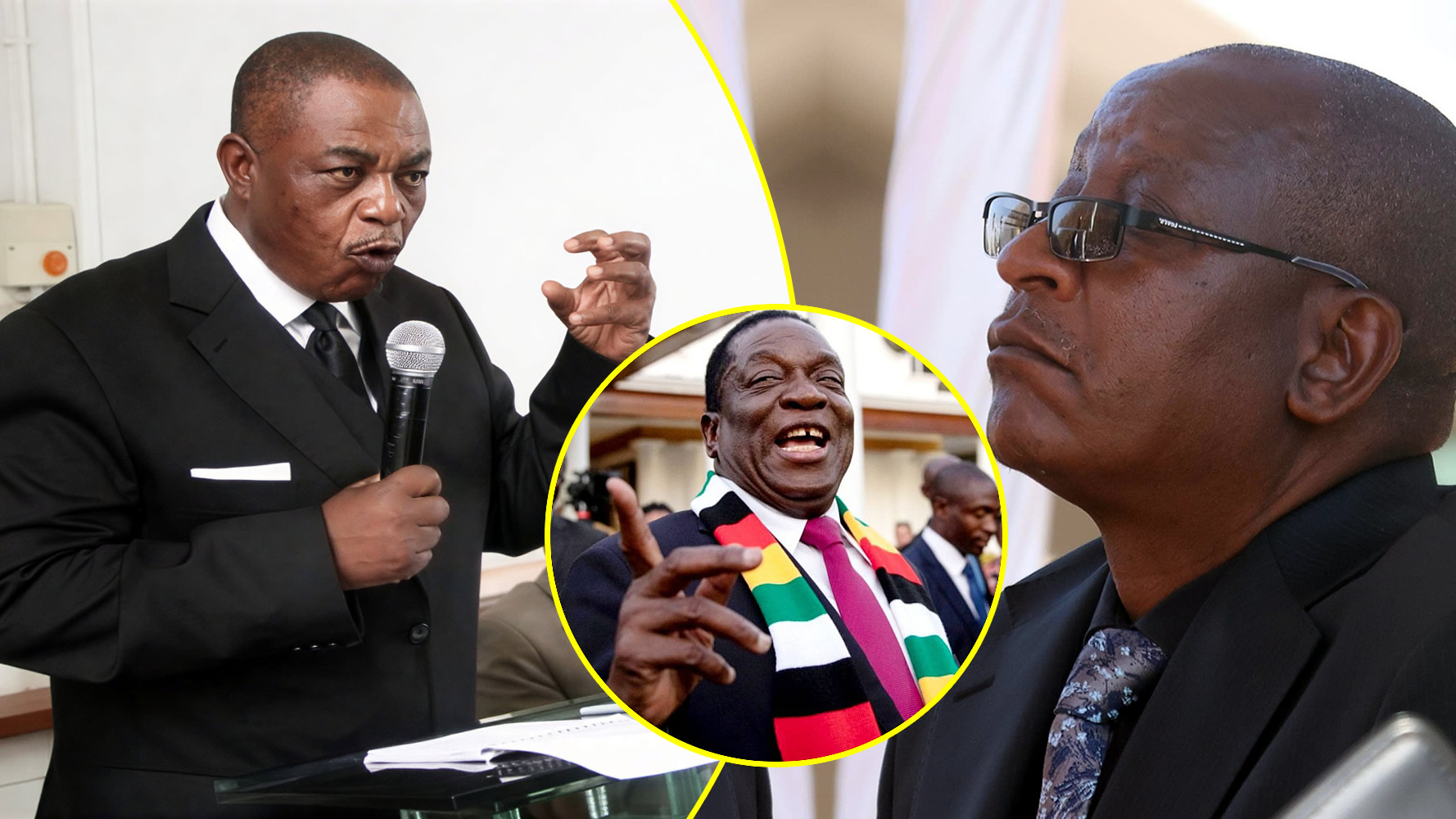
Harare – A short, yet profoundly impactful video clip featuring Vice President General (Retired) Constantino Chiwenga has ignited a political firestorm within Zimbabwe’s ruling ZANU-PF party, laying bare deep-seated divisions. The retired general’s carefully chosen words, delivered this month, served as a direct, albeit coded, admonition to President Emmerson Mnangagwa’s loyalists. These factions are aggressively championing Constitutional Amendment Bill No. 3 (CAB3), a legislative manoeuvre designed to prolong the President’s tenure until 2030.
While state-controlled media outlets have attempted to dismiss Chiwenga’s address as mere patriotic rhetoric, an in-depth investigation, drawing on insights from military intelligence and political analysts, reveals a far more intricate narrative. This article will expose a clandestine military alliance mobilising behind the scenes, intent on thwarting Mnangagwa’s ambitions for a third term and preventing what they perceive as a complete civilian takeover of the state.
The Unravelling of a Delicate Power-Sharing Agreement
Our investigation delves into the intense factional battles currently destabilising Zimbabwe’s security sectors. Since the 2017 coup, which saw Robert Mugabe’s ousting, the fragile power-sharing arrangement between the military wing, spearheaded by Chiwenga, and the civilian political wing, led by Mnangagwa, has been systematically dismantled. President Mnangagwa has progressively purged Chiwenga’s loyalists from crucial army units, replacing them with trusted family members and close allies. The recent expulsion of Mnangagwa’s own nephew, Pearson Mbalekwa, from ZANU-PF for reportedly opposing the 2030 agenda, underscores the extent to which this purge has infiltrated even the President’s inner family circle.
Pearson Mbalekwa, a former Central Intelligence Organisation (CIO) officer, has a notable history of political shifts. After serving 12 years in the CIO, he joined the opposition MDC-T in 2007, becoming a special advisor to the late Morgan Tsvangirai. He later rejoined ZANU-PF when his uncle, Emmerson Mnangagwa, became president in 2017. His expulsion highlights the high stakes involved in the current political climate.
Sources within Chiwenga’s faction indicate that they have garnered significant support from senior commanders. These commanders are reportedly incensed by the nation’s economic collapse and the alleged siphoning of mineral wealth by a small political cartel. This illicit activity, they claim, has left rank-and-file soldiers struggling with hunger and fostering a sense of mutiny within the military.
CAB3: A Constitutional Coup in the Making?
This investigative piece aims to demystify the complex constitutional manoeuvres encapsulated in CAB3. The Bill, set to be introduced in Parliament tomorrow, seeks to drastically alter the supreme law by extending the tenures of the President, lawmakers, and councillors from five to seven years. If successful, this proposal would effectively extend President Mnangagwa’s current term by two years, allowing him to remain in power until 2030. Furthermore, CAB3 proposes a shift from the current one-person, one-vote system for presidential elections to one where Parliament elects the President.
Critics, including opposition parties, civil society organisations, and constitutional experts, contend that such profound reforms necessitate public consent through a national referendum. However, ZANU-PF and Parliament maintain that a referendum is not required, asserting that the amendments can be enacted through the existing parliamentary process.
Justice Minister Ziyambi Ziyambi, also ZANU-PF’s legal secretary, has publicly stated that the parliamentary vote on CAB3 will be conducted via a show of hands. He argues that this open voting process promotes transparency and accountability among elected representatives. Addressing a ZANU-PF provincial coordinating committee meeting in Chinhoyi, Ziyambi dismissed calls for a secret ballot, claiming it would make MPs susceptible to bribery. He controversially advised party supporters to accept money from political opponents but to remain loyal to ZANU-PF.
Ziyambi commended Mashonaland West province for its exceptional mobilisation efforts in support of the proposed constitutional amendments, noting their high participation levels during consultations and written submissions.
Opposition and Defence of CAB3
The proposed amendments have become one of the most contentious political issues in recent memory. While many oppose CAB3, self-styled Citizens Coalition for Change (CCC) secretary-general Sengezo Tshabangu has surprisingly defended Zimbabwe’s constitutional amendment process. Tshabangu, who faces criticism for allegedly compelling CCC legislators to support CAB3, argued on X (formerly Twitter) that Zimbabwe’s process is more consultative than those in several Southern African Development Community (SADC) member states. He cited countries like Botswana, Seychelles, South Africa, and Namibia, which he claims use constitutional amendment procedures that do not require extensive public consultations or referendums.
Tshabangu noted that Zimbabwe’s constitution mandates a referendum only when proposed amendments affect key provisions such as the Bill of Rights, land rights, and presidential term limits. He highlighted that many regional countries process constitutional amendments through Cabinet approval, gazetting, and parliamentary debate before a final vote and presidential assent. Despite its length and complexity, Tshabangu argued that Zimbabwe’s process enhances democratic participation and accountability, stating, “My submission rests on the fact that we are a bit more democratic here in Zimbabwe than most other Sadc member States when it comes to issues related to constitutional amendments,”.
The Military as the Ultimate Arbiter of Power
Chiwenga’s faction is reportedly strategically planning to utilise both Parliament and the courts to delay the passage of CAB3. Simultaneously, they are preparing for a decisive political showdown at the upcoming ZANU-PF congress. By exposing the intricate web of hidden power networks, this article aims to demonstrate that Zimbabwe stands on the precipice of another significant political transition. This is not merely an internal party factional dispute; it is a profound battle for the very soul of the nation. The military, once again, is positioning itself as the ultimate arbiter of power, ready to intervene should the civilian leadership attempt to establish a permanent dynastic dictatorship under the guise of the 2030 agenda, completely disregarding the will of the people.
The historical context of military involvement in Zimbabwean politics is crucial here. The 2017 coup, which brought Mnangagwa to power, was orchestrated by the military, with Chiwenga playing a pivotal role. This established a precedent where the military sees itself as the guardian of the nation, capable of stepping in when political leadership deviates from what they perceive as the correct path. The current tensions suggest a re-emergence of this dynamic, with Chiwenga’s faction potentially leveraging this historical role to challenge Mnangagwa’s authority.
Economic Collapse and the Disgruntled Rank-and-File
The economic situation in Zimbabwe has been a significant catalyst for the growing discontent within the military. Despite promises of economic revival, the country continues to grapple with severe challenges, including high inflation, unemployment, and shortages of basic commodities. Reports suggest that the rank-and-file soldiers, who are often the first to feel the pinch of economic hardship, are increasingly frustrated. Their salaries are eroded by inflation, and their living conditions deteriorate, fostering a sense of betrayal and anger towards the political elite.
Allegations of widespread corruption and the siphoning of mineral wealth by a small political cartel further fuel this resentment. Zimbabwe is rich in natural resources, including gold, diamonds, and platinum. However, these resources have often been exploited for the benefit of a select few, with little tangible improvement in the lives of ordinary citizens or even the military personnel tasked with protecting these assets. This disparity creates a fertile ground for dissent, as soldiers witness their leaders accumulating vast wealth while they struggle to feed their families. The Al Jazeera investigative report, though disputed by some, highlighted allegations of gold smuggling and money laundering linking high-ranking officials to illegal traders, further exacerbating public and military distrust.
The 2030 Agenda: A Path to Dynastic Rule?
President Mnangagwa’s ambition to extend his rule to 2030, often referred to as the “2030 Agenda,” or simply “ED2030” is at the heart of the current political turmoil. This agenda, facilitated by CAB3, is viewed by critics and Chiwenga’s faction as an attempt to establish a dynastic dictatorship, undermining democratic principles and the will of the Zimbabwean people. The proposed changes to the presidential election process, moving from a direct popular vote to parliamentary election, are particularly alarming to those who fear a consolidation of power and a weakening of accountability.
The historical context of presidential term limits in Africa often reveals a pattern of leaders attempting to circumvent constitutional provisions to remain in power. Zimbabwe’s own history, particularly under Robert Mugabe, is replete with examples of constitutional amendments designed to entrench the ruling party’s authority. The current push for CAB3, therefore, is not seen in isolation but as part of a broader pattern that raises concerns about the future of democracy in the country.
The Role of the ZANU-PF Congress
The next ZANU-PF congress, which is set to take place towards the end of next year, is anticipated to be a critical juncture in this power struggle. Chiwenga’s faction is reportedly preparing for a decisive political showdown at that event, aiming to challenge Mnangagwa’s authority and potentially block the 2030 agenda from within the party structures. The congress will serve as a platform where internal party dynamics, factional loyalties, and the influence of various power brokers will be on full display. If it’s not too late by then, the outcome of the 2027 congress could significantly alter the political landscape, either solidifying Mnangagwa’s position or paving the way for a new leadership alignment.
International Implications and Regional Stability
The political instability in Zimbabwe has broader implications for regional stability in Southern Africa. Neighbouring countries and regional bodies like SADC are likely to be closely monitoring the unfolding events, as has been evidenced by South Africa’s President Cyril Ramaphosa who unexpectedly visited President Mnangagwa’s farm earlier this month. A prolonged period of uncertainty or a violent power struggle could have ripple effects across the region, impacting economic ties, migration patterns, and overall security. The international community, particularly those with economic interests in Zimbabwe, are watching closely, as political stability is often a prerequisite for foreign investment and development aid.
Conclusion: A Nation at a Crossroads
Zimbabwe finds itself at a critical crossroads, with the political future of the nation hanging in the balance. Vice President Chiwenga’s coded warning, the aggressive push for CAB3, the internal purges within ZANU-PF, and the growing discontent within the military all point to a deeply fractured political landscape. The battle between Mnangagwa’s civilian political wing and Chiwenga’s military faction is more than just a power struggle between two individuals; it is a fundamental clash over the direction of the country, the sanctity of its constitution, and the aspirations of its people. As the nation approaches the crucial CAB3 vote and the ZANU-PF congress, the world watches to see whether Zimbabwe will succumb to further authoritarianism or embark on a path towards genuine democratic reform. The military, having historically played the role of kingmaker, is once again positioning itself as the ultimate arbiter, ready to shape the destiny of a nation grappling with its past and uncertain about its future.