Harare man due in court over alleged abuse of teenage stepdaughter
A 40-year-old Harare man is expected to stand trial on December 1 over allegations that he repeatedly sexually abused his 17-year-old stepdaughter over a period of about 4 years, in a case that has left the girl’s family seeking answers about his release on bail and the steps taken to protect her.
Simbarashe Kandeya is accused of abusing the teenager between early 2023 and August 2026. The alleged incidents began when she was in Form One, according to the case details. The girl’s identity is being withheld to protect her privacy.
The family’s concerns now centre on the conditions of Kandeya’s release and whether the teenager and other people involved in the case are adequately protected. Her mother says the family was not told about the bail proceedings or the safeguards attached to the release. She has appealed to police district command for information about the handling of the investigation and measures to prevent contact or pressure involving the complainant and witnesses.
The case was reported at Epworth Police Station under CR 508/9/26 and was later recorded at Mbare Magistrates’ Court under CRB MBR R176/26. Kandeya is the husband of the teenager’s mother, and the family shared a home during the period in which the alleged abuse took place.
According to the account of the allegations, Kandeya built a close relationship with the girl by buying her extra tuck food and arranging for it to be sent to her boarding school on a bus travelling along the route. He is also accused of secretly buying her a mobile phone without her mother’s knowledge and using text messages to communicate with her.
The account says the alleged abuse came to light on August 18, after the mother went to wake her daughter at about 4am as she prepared for school and found that she was not in her room. The mother had already become concerned by what she described as increasingly withdrawn behaviour. After finding her daughter, she was dissatisfied with the explanation she received about where the girl had been.
The mother contacted the school principal and asked for help in looking into the matter. During that process, the teenager reportedly spoke to the school head, after which a police report was filed. The information available about the case does not identify the girl’s whereabouts that morning or disclose details of what was said between mother and daughter before the school was contacted.
Investigators later arrested Kandeya after efforts to locate him, which the family’s account says took about 2 months. His whereabouts had reportedly been unknown during that period. A medical examination has been carried out, and the findings are expected to form part of the evidence presented in court.
Proceedings have also been affected by the absence of a report from a key witness who is alleged to have seen one of the incidents. The family is concerned about the delay and about the possibility of contact with people who may be involved in the case.
In a letter to the District Police Officer, the complainant’s mother questioned why the family had not been told about the bail proceedings or the protections put in place. She wrote: “As party to the whole process, we strongly believe we also ought to be advised about the bail details because if it took the police so long to apprehend the suspect, what mechanisms are in place that he will not abscond?”
The family also says Kandeya has contacted the girl’s mother asking to meet her, while continuing to communicate with the teenager’s grandmother. The mother has expressed concern that these communications could affect people connected to the case. The family has asked the district police command to explain how the investigation is being handled and what is being done to safeguard the complainant and preserve evidence.
The concerns about communication and protection have added a difficult dimension to a case already involving a young complainant, a close family relationship and allegations spanning several years. The family’s request is specific: it wants to know what bail conditions apply, what safeguards have been put in place, and how police will respond to any contact that may affect the teenager or others expected to assist the investigation.
The case is scheduled for trial on December 1. The medical findings and the missing witness report are among the matters that may feature in the proceedings. The family has called for the police district command to clarify the next steps, while the complainant’s identity remains protected.
A separate Harare case ended in a fatal shooting
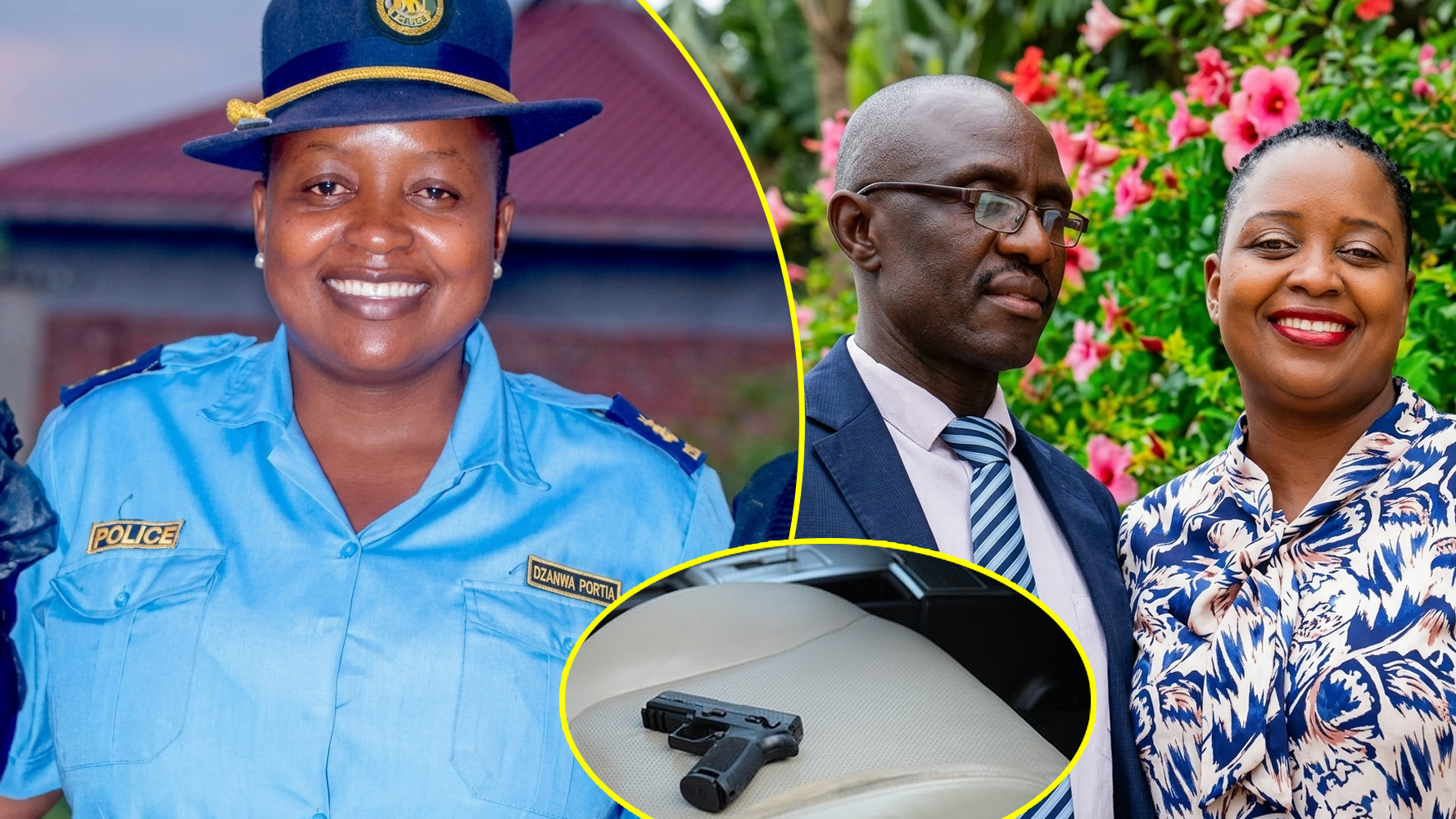
The family’s concerns come months after a separate case in Harare involving allegations of sexual abuse within a household ended in the death of a police officer. Sergeant Portia Dzanwa, 36, was shot dead in Hopley on August 16 after confronting her husband, Pharaoh Dombodzvuku, over what police said were allegations involving her 16-year-old daughter.
In that case, the teenager reportedly told her mother at about 3pm that she had been in an intimate relationship with her stepfather. She reportedly said that on one occasion he had collected her from school and taken her to a lodge in Waterfalls. The available reporting does not explain what prompted the teenager to raise the subject with her mother that afternoon; it records that she disclosed the alleged relationship and that her mother then confronted Dombodzvuku.
The family agreed to report the matter at Southlea Park Police Station. Police said Dombodzvuku drove past the station and went instead to his brother’s home in Hopley, saying he wanted to discuss the matter first. They arrived shortly after 9pm. Dombodzvuku reportedly asked his brother to take the teenager inside while he remained in a vehicle with Dzanwa.
A short time later, the brother heard 2 gunshots and went outside. He found the couple slumped in the front seats. Police said Dzanwa died at the scene and that Dombodzvuku had shot himself with the same pistol. A CZ pistol was recovered. Dombodzvuku was taken to Sally Mugabe Central Hospital in critical condition and placed under police guard.
The circumstances of the Dzanwa case are distinct from the allegations against Kandeya. Dzanwa’s killing is a reported outcome of a separate confrontation; it does not establish what happened in the current case. The two cases nevertheless share a basic point in the reported sequence: concerns about alleged abuse within a household came to light after a teenager spoke to her mother, and the families were then left dealing with the consequences of how the matter was handled.
For the family in the Kandeya case, the immediate questions remain the bail conditions, the safety arrangements for the teenager, and the progress of the investigation ahead of the December hearing. The family says it wants clear communication from police as the case moves towards trial.