


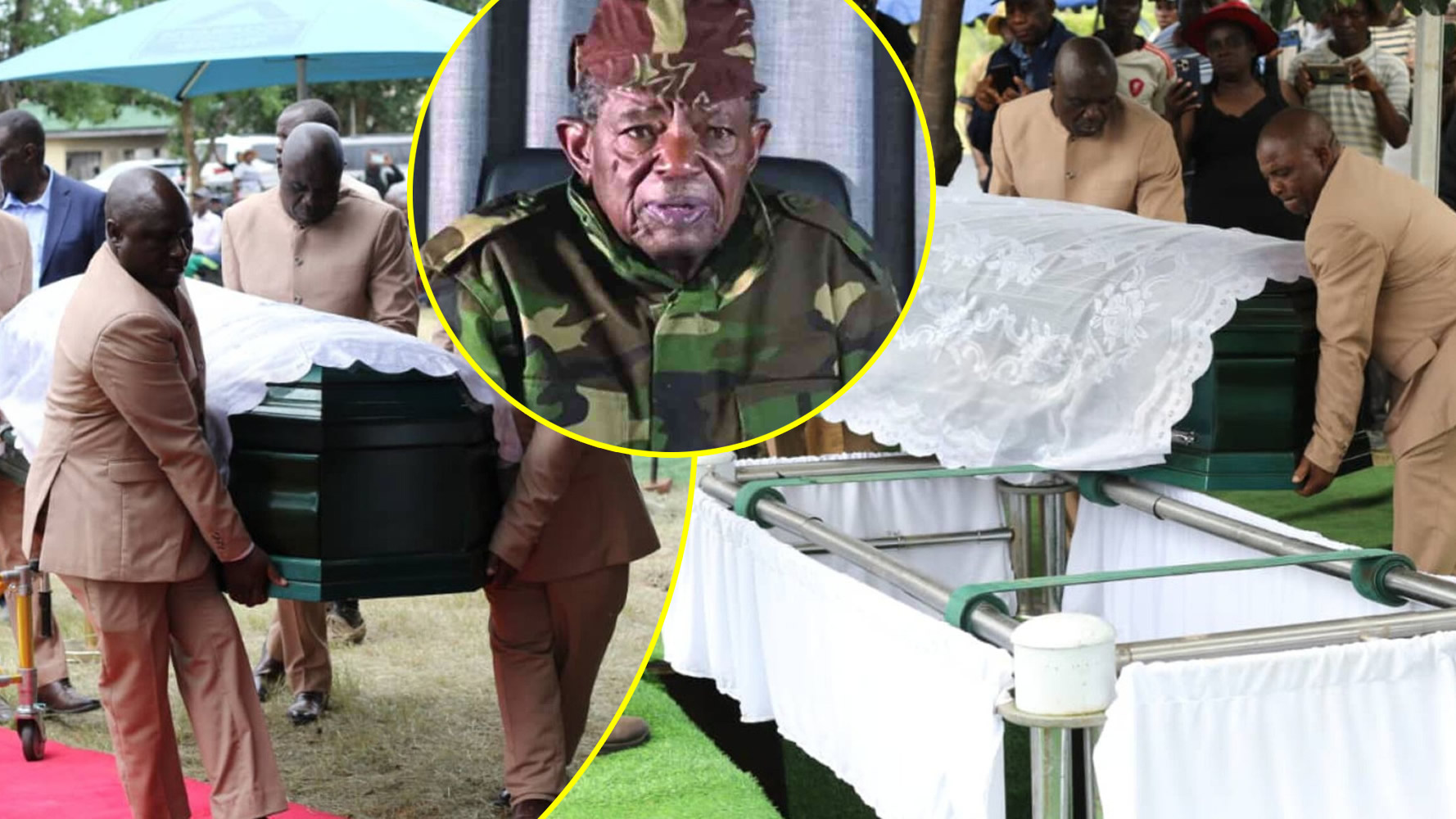
The dust of Sanyati settled heavily over the casket of Blessed Runesu Geza this week, marking the final chapter for a man whose life was as explosive as his nom de guerre, ‘Cde Bombshell’. On 16 February 2026, the war veteran was laid to rest at his homestead at Chenjiri Farm in the Moyo Musande area of Mashonaland West province.
Yet, as the soil was shoveled onto the mahogany, the silence in the air was not one of peace, but of a profound, lingering unease. Geza, a former member of the ZANU-PF Central Committee and a liberation war hero, died a fugitive in South Africa on 6 February 2026. While the official cause of death was attributed to a heart ailment, the timing has ignited a firestorm of speculation across Zimbabwe’s political landscape.
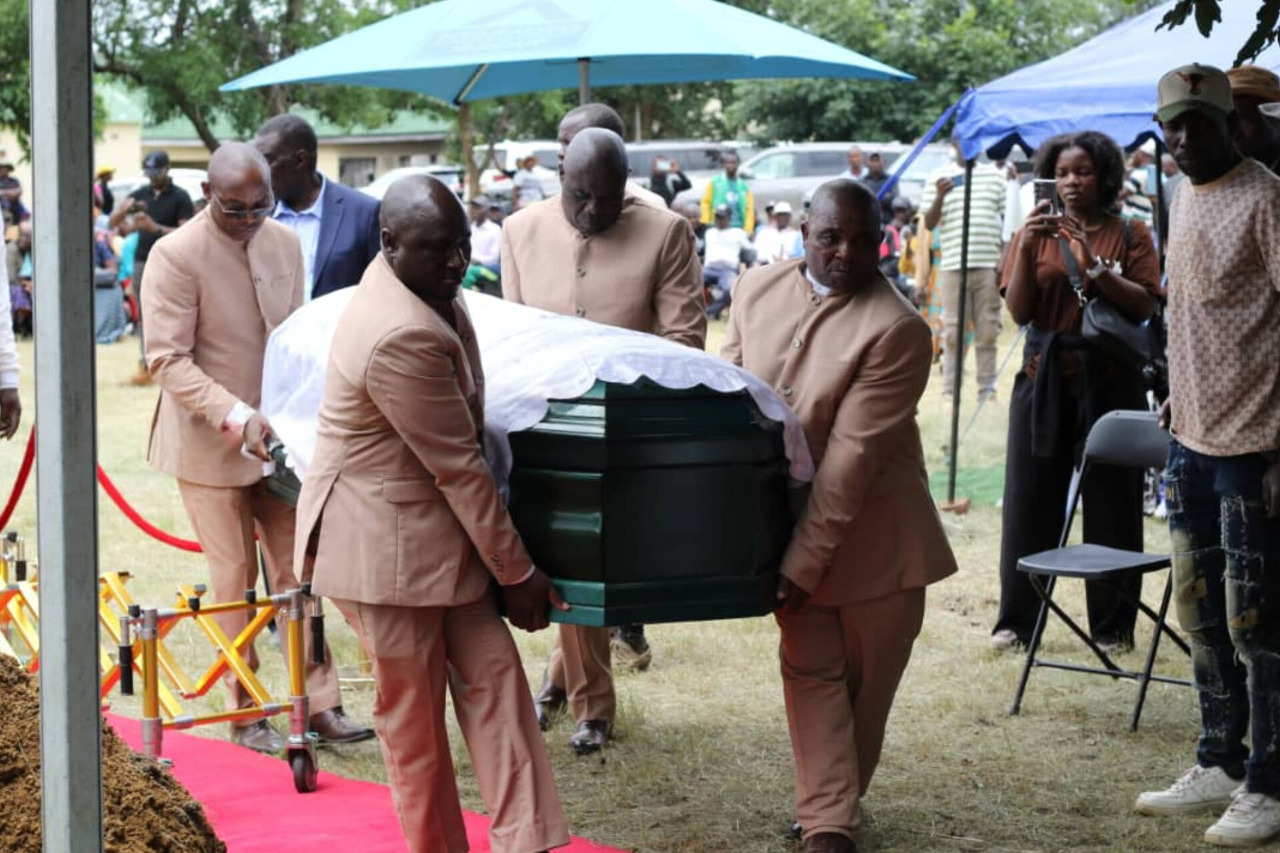
Geza’s demise occurred at a critical juncture in the nation’s history. Just days before his burial, on 10 February 2026, the Zimbabwean cabinet officially backed draft legislation that would amend the constitution to extend presidential terms from five to seven years. This move is the cornerstone of the controversial ‘2030 bid’, a campaign designed to ensure President Emmerson Mnangagwa remains in power well beyond his current constitutional limit of 2028. Geza had become the most vocal internal critic of this agenda, reportedly preparing a comprehensive manifesto to mobilise his fellow war veterans against what he termed an “illegal” and “treasonous” power grab.
The funeral itself was a study in contradictions, earned the moniker of the ‘Haunted Funeral’ by those who witnessed it. Despite his expulsion from the ruling party in March 2025, ZANU-PF paradoxically declared him a liberation war hero, yet the event was stifled by a heavy security presence.
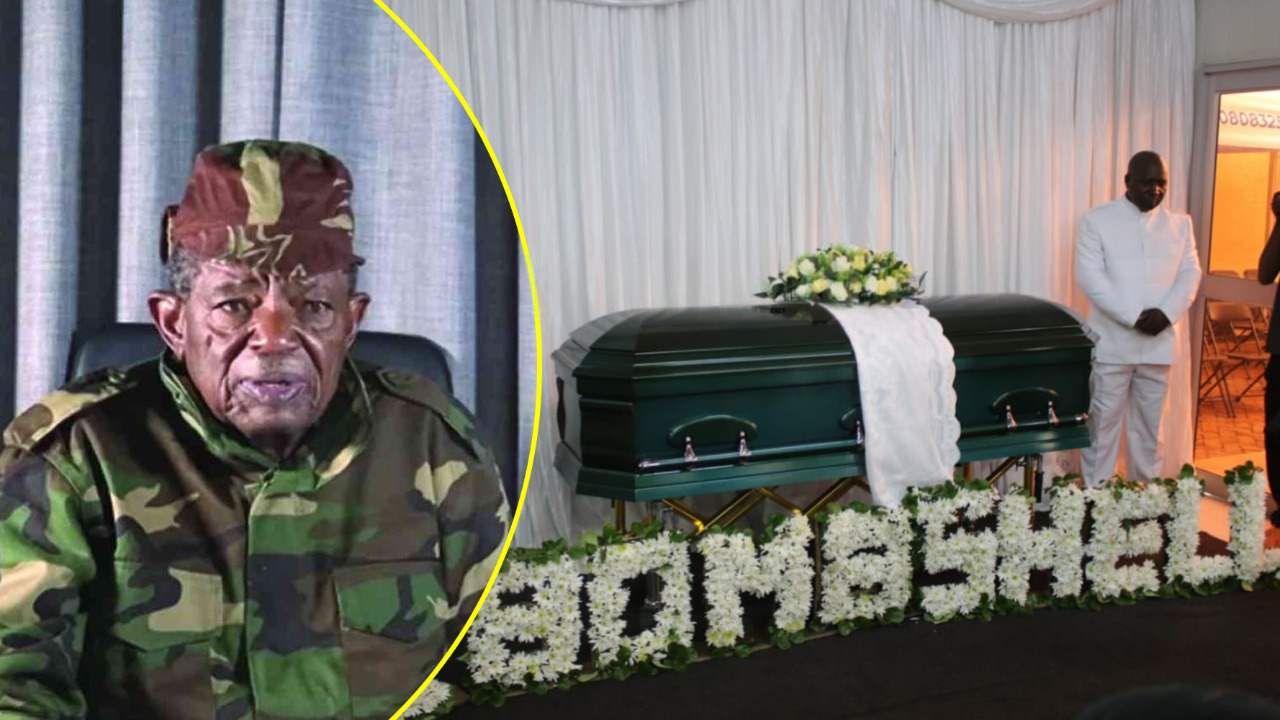
Armed units and intelligence officers were visible among the mourners, their presence a stark reminder of the threat Geza posed to the establishment even in death. Cryptic messages were delivered by his peers, men who had fought alongside him in the 1970s bush war. They spoke of a man who refused to be bought, a soldier who believed the revolution had been hijacked by a “new class of thieves.”
|
Key Event
|
Date
|
Significance
|
|
Expulsion from ZANU-PF
|
6 March 2025
|
Geza removed from the Central Committee after public attacks on Mnangagwa.
|
|
The March 31 Protests
|
31 March 2025
|
Geza calls for a nationwide uprising; military deployed, 95+ arrests made.
|
|
Cabinet Approval of 2030 Bill
|
10 February 2026
|
Government moves to extend presidential terms, just days after Geza’s death.
|
|
Burial in Sanyati
|
16 February 2026
|
Geza laid to rest under heavy security; peers deliver cryptic warnings.
|
Before he fled to South Africa in February 2025, facing charges of terrorism and inciting public violence, Geza made a series of public outbursts that shook the foundations of the ruling party. He claimed to hold the ‘Black Box’ of ZANU-PF—a metaphorical repository of the party’s most guarded internal secrets, ranging from the mechanics of the 2017 coup to the current administration’s alleged plans for a dynastic succession. In one of his final video addresses from an undisclosed location, Geza was unsparing in his criticism.
“As war veterans we’re in the afternoon of our lives… we cannot leave the country in the hands of thieves. The task to remove the thieves and restore the legacy of the revolution belongs to us,” Geza declared, his voice resonant with the authority of a man who had seen the best and worst of the struggle.
He accused the current leadership of “betraying the revolution” and, perhaps most damagingly, of “neglecting the very soldiers who brought them to power.” This sentiment has resonated deeply within the ranks of the Zimbabwe National Liberation War Veterans Association (ZNLWVA). Many veterans, now living in abject poverty with pensions rendered worthless by hyperinflation, feel a sense of profound betrayal. They watched as Geza pointed to the “disappearing tractors” scandal in January 2026, where agricultural equipment meant for national development allegedly vanished into the private estates of the political elite, while veterans struggled to secure basic healthcare.
The suspicion surrounding Geza’s death is bolstered by the recent history of state crackdowns on his supporters. In October 2025, ten pro-Geza war veterans were arrested and remanded in custody on charges of promoting public violence. These individuals, including 65-year-old Rose Chirenje, were seen as the vanguard of Geza’s movement within the country. Their incarceration was a clear signal that the state would not tolerate the “Bombshell’s” influence. Geza himself had been a ghost in the system long before he died, his home in Sanyati reportedly petrol-bombed and his family harassed by security agents.
Geza’s warnings about the ‘2030 bid’ were not merely the ramblings of a disgruntled exile. He alleged that the push for constitutional changes was a precursor to a more elaborate plan to elevate figures like businessman Kuda Tagwirei or even members of the President’s immediate family to higher office. By framing the 2030 agenda as a betrayal of the democratic principles fought for during the liberation struggle, Geza managed to unite disparate factions of the military and the veteran community.
The timing of his “heart ailment” in a South African hospital, occurring exactly as the 2030 legislation moved into its final stages, has led many to wonder if Geza was the victim of a natural tragedy or the ultimate silencing. His peers at the funeral whispered of the ‘Black Box’—the secrets he promised to reveal that could have derailed the 2030 train. If Geza did indeed possess evidence of high-level corruption and treason, his death has ensured that those secrets remain, for now, buried with him in the red earth of Sanyati.
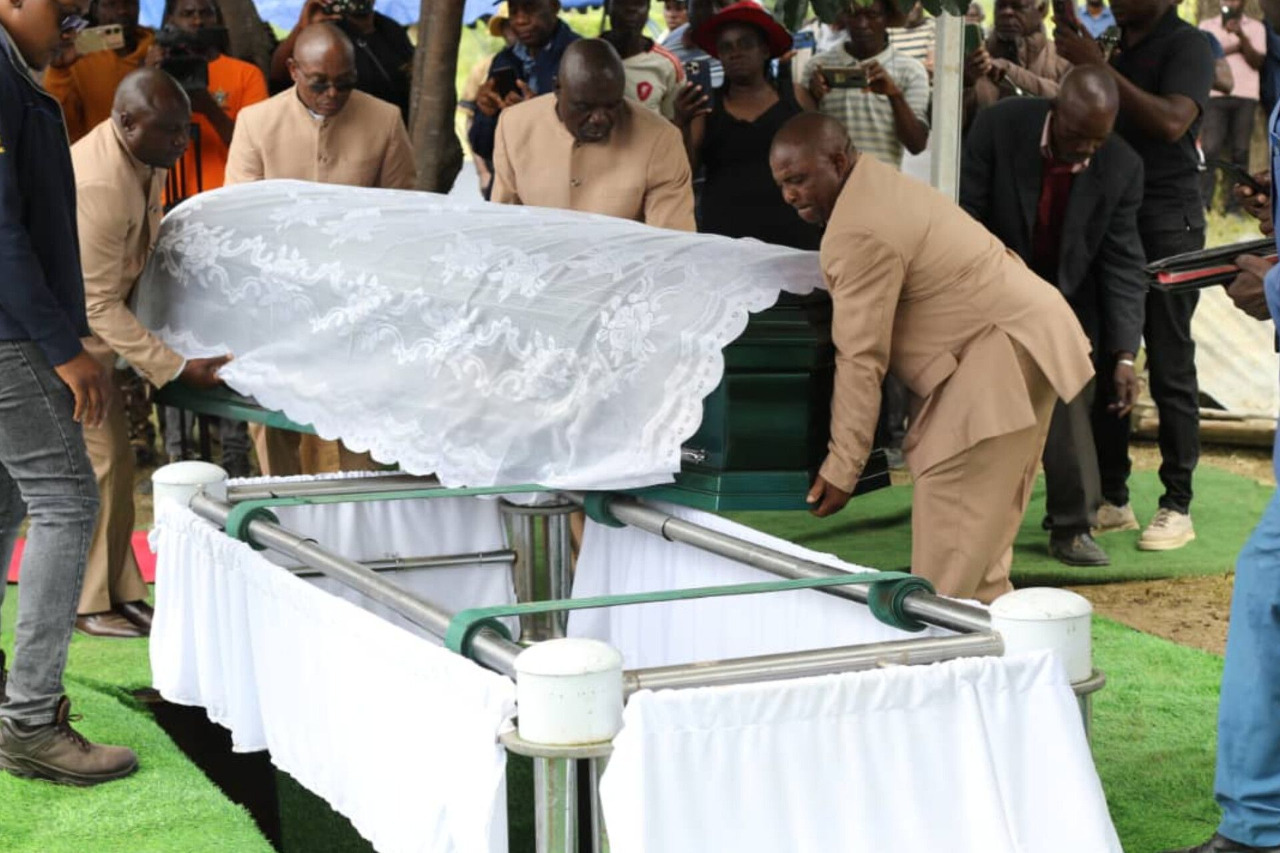
As Zimbabwe moves toward a potential constitutional crisis, the legacy of Blessed ‘Bombshell’ Geza serves as a haunting reminder of the internal fractures within the party that has ruled since 1980. He was a man who became a fugitive not because he was a criminal, but because he was a reminder of what an unbought conscience looks like in a marketplace of political convenience. Whether his final warning will be heeded by the soldiers he left behind remains to be seen, but the shadow of the ‘Bombshell’ continues to loom large over the corridors of power in Harare.
The heavy security at his burial suggests that even in death, the establishment fears Geza. They fear the manifesto he was writing, they fear the secrets he held, and most of all, they fear the possibility that his death might serve as the very catalyst for the uprising he so fervently called for. In the end, Blessed Geza did not just go; he left behind a trail of unanswered questions that may yet prove to be his most enduring contribution to the nation he helped liberate.