



HARARE – Before the morning sun has barely cleared the horizon over the capital, for the thousands of motorists navigating the potholed arteries of Harare, the day would have already descended into a tactical battle for survival. The streets of Zimbabwe’s largest city have become a “war zone” as the Zimbabwe Republic Police (ZRP) launches its most aggressive “No Mercy” traffic blitz in years. While the official reason for the operation is “restoring order” and “reducing accidents,” our investigation suggests a much more cynical “hidden truth” is emerging from the exhaust fumes and the chaos.
This intensified campaign has led to widespread discussion regarding its underlying motivations and its impact on the daily lives of Harare’s citizens. Many perceive the blitz as a significant challenge for motorists, particularly given the harsh economic climate. This article aims to explore the various facets of this operation, including its perceived objectives, the experiences of those affected, and the ongoing dynamics between law enforcement and the public.
Perceptions of Revenue Generation
The “No Mercy” blitz has prompted public speculation regarding its potential role in generating funds. Concerns have been raised that the campaign may be, in part, an effort to raise “internal funds” for government operations, particularly in a period where financial resources are reportedly constrained. This perspective suggests that traffic enforcement could be viewed as a means to supplement state revenue.
It is also supported by the Construction of a new, modernized toll plaza on the Harare-Nyamapanda highway (located around the 40km – 40.5km mark) which began on February 18, 2026, with completion scheduled for July 31, 2026. An extra tollgate means more income for the government from motorists who pas through that facility.
Sources familiar with government financial discussions, speaking on condition of anonymity, have indicated that various departments, including the ZRP, are encouraged to operate with a degree of financial self-sufficiency. This has led to a perception among some that traffic enforcement activities are increasingly geared towards revenue collection.
It is widely believed that a system of targets, often referred to as “quotas”, may be in place. Several rank-and-file officers, who requested anonymity due to the sensitivity of the matter, have described a reality where teams deployed to the streets are expected to meet certain benchmarks for impounded vehicles and collected “spot fines”. This is not a new development in Zimbabwe.
During President Mugabe’s era, when Police was under the leadership of Commissioner Augustine Chihuri, traffic police officers were given set targets that they had to meet on a daily basis. A complaint was raised to President Mnangagwa, who, at that time was the Acting President, as Mugabe was out of the country enjoying his annual leave. Chihuri agreed to remove police officers from the streets, but asked for a few weeks to wind up the operations that he claimed were underway. Surprisingly, when President Mugabe returned from his annual leave, Chihuri refused adhere to his promise, and instructed traffic police officer not to vacate the streets.
Meanwhile, One officer stationed in Mbare commented, “There’s a daily expectation for what we need to bring in. If targets aren’t met, it can lead to questions from superiors.” This situation, whether formally mandated or informally understood, contributes to the public’s perception that enforcement is driven by financial objectives.
To the motorists, this strong advice must be clearly understood. Only drive in Harare if you are super certain that your car is road-worthy, and that you are following traffic regulations at all times, even if it means arriving at your destination late. Also avoid travelling without at least US$5 in your pocket, because the minimum traffic offense in Zimbabwe attracts a fine of US$5. (if you know you know).
No Mercy – Even for the Blue Uniform
In a notable development within the ongoing blitz, the ZRP has demonstrated its commitment to enforcing traffic regulations across the board, even involving its own personnel. On February 23, 2026, an incident in Mbare highlighted this approach when a police officer was fined by her colleagues.
Constable Masuka, based at the Mbare station, was penalised for reckless driving along Simon Mazorodze Road during the peak morning rush. She had veered off the designated lanes into an undesignated area, an action that nearly impacted a journalist covering a road safety awareness campaign.
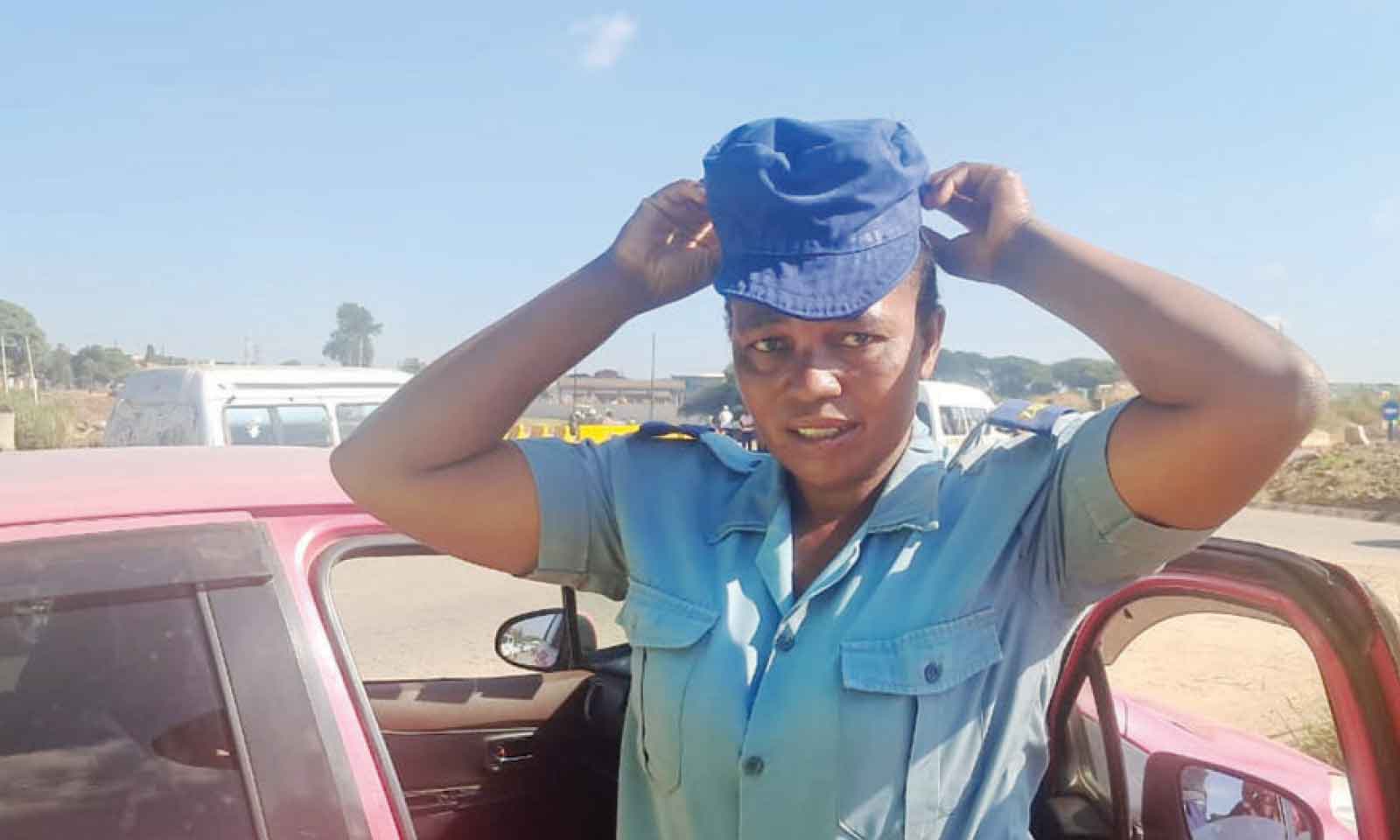
“I deeply regret my actions,” Cst Masuka stated after receiving her fine. “I realised my mistake when I got too close to the journalist. I was running late for work after attending a funeral, and I ask for understanding.”
Despite her explanation, the fine was upheld, underscoring the ZRP’s stated policy of consistent enforcement. Chief Inspector Erina Litemwe, the officer in charge of Mbare Traffic, reinforced this stance, stating, “We must all respect the sanctity of life by adhering to traffic regulations. Undesignated lanes not only lead to accidents but also cause congestion and endanger pedestrians.”
This incident, while demonstrating internal accountability, has also led to public discussion about the broader implications of the enforcement drive.
Peak Hour Tactics: Increased Congestion and Challenges
To manage traffic flow and enforce regulations, the ZRP has implemented specific tactics during peak hours. Roadblocks are strategically positioned at key bottlenecks during morning and evening commutes. While intended to ensure compliance, these deployments can inadvertently contribute to increased “congestion and confusion.”
For instance, blocking multiple lanes on a busy highway at 08:00 can result in significant traffic backlogs. In such conditions, motorists, under pressure to navigate the delays, may inadvertently commit minor infractions, such as straddling lanes or making hasty manoeuvres. These situations can then lead to vehicles being stopped for violations.
“They seem to be present at times when traffic is already heavy, and it feels like any small error can lead to being stopped,” commented Tinashe, a commuter whose vehicle was recently impounded. “It creates a very stressful driving environment.”
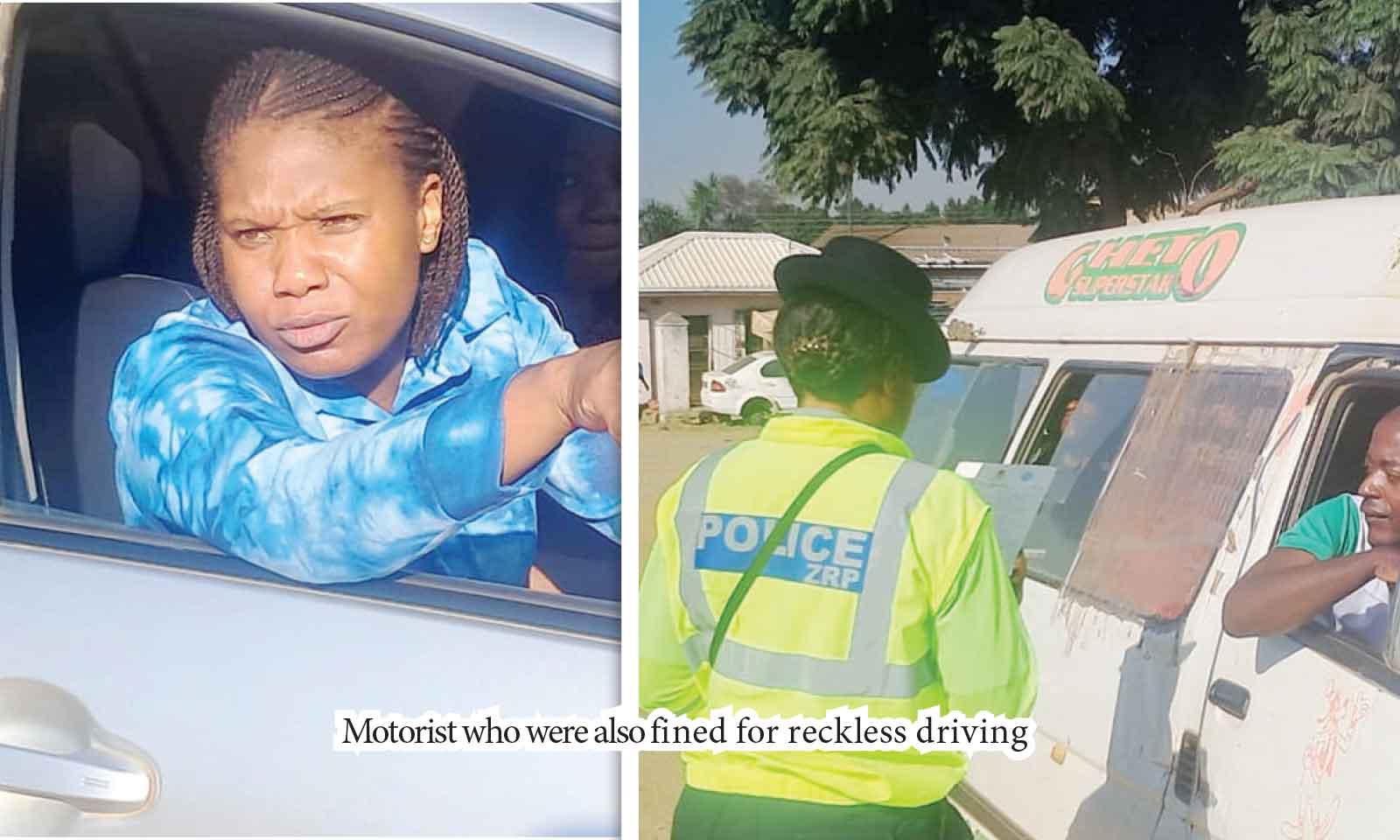
A bus driver from Mabhiza Transport, who was recently fined for using an undesignated lane and overloading, explained his actions by stating the difficulty of leaving passengers behind during peak hours. Such incidents highlight the operational challenges faced by both law enforcement and public transport providers in managing urban traffic.
Concerns Regarding Selective Enforcement
One aspect that frequently draws public concern is the perception of “selective enforcement” on Harare’s roads. While ordinary motorists are often stopped for minor issues like a faded number plate or a missing reflective vest, certain informal public transport vehicles, known as “mshikashika,” are sometimes observed operating with less scrutiny.
Reports and public sentiment suggest that some of these “mshikashika” vehicles may be associated with influential individuals or even some law enforcement personnel. It is believed that these connections might afford them a degree of leniency, leading to a perceived disparity in how regulations are applied.
“We see some vehicles pass through roadblocks without being stopped, while others are thoroughly checked,” observed a motorist. “There’s a feeling that not everyone is treated equally on the road.”
This perception of a two-tiered system raises questions about fairness and consistency in traffic enforcement.
The Dynamics Between ZRP and City Council
Adding to the complexity of traffic management in Harare is the ongoing dynamic between the ZRP and the City Council. Both entities have responsibilities related to road safety and the collection of fines. The ZRP focuses on moving violations and vehicle roadworthiness, while the City Council manages parking regulations and associated penalties.
This overlap has, at times, led to situations where motorists face enforcement actions from both authorities. For example, in November 2025, the City Council increased fines for unregistered taxis to US$154. This move was seen by many as a response to the broader enforcement efforts, creating a competitive environment for revenue collection.
Such competition can result in situations where a vehicle, having been stopped by police for a mechanical issue, might then be clamped by council officials for a parking violation while the initial paperwork is being processed. Mayor Jacob Mafume has acknowledged public concerns regarding these fines. The introduction of an automated traffic enforcement system in August 2025 was intended to enhance efficiency and reduce human error, though some critics suggest it primarily streamlines the collection of penalties.
Navigating Harare’s Roads: A Motorist’s Perspective
For those driving in the capital, adapting to the evolving traffic enforcement landscape is crucial. The operational approach at roadblocks can sometimes appear to be dynamic, requiring motorists to be well-informed and prepared.
Here is a simplified guide based on common observations at roadblocks:
- Licence Presentation: While legally required to present your physical licence, be aware that officers may retain it during the process of issuing a fine. It is advisable to understand your rights regarding the temporary retention of documents.
- Minor Offence Guidelines: In late 2025, the ZRP issued directives aimed at preventing the impoundment of vehicles for minor offences, such as missing reflectors. Motorists can refer to these guidelines if faced with such situations. However, officers may identify other, more significant faults.
- Peak Hour Awareness: During peak hours, it is often prudent to seek alternative routes if roadblocks are observed, as the time spent in detours may be less than the delays encountered at congested checkpoints.
- Formal Procedures: If stopped, maintaining a polite but firm demeanor is recommended. Requesting a formal ticket (Form Z69J) for any alleged infraction, rather than opting for an immediate “spot fine” without proper documentation, can ensure due process.
The Broader Impact
Beyond the immediate financial implications, the intensified traffic blitz has a broader impact on public sentiment. The daily interactions at roadblocks contribute to the public’s perception of law enforcement. While the ZRP aims to maintain order, the methods and perceived motivations can influence public trust.
The current situation in Harare reflects a complex interplay of governance, public service provision, and citizen experience. As long as the financial pressures on state institutions persist, the approach to traffic enforcement will likely remain a significant aspect of urban life in Harare.
Motorists in Harare are seeking clarity on why they are being stopped and how enforcement contributes to overall road safety.