


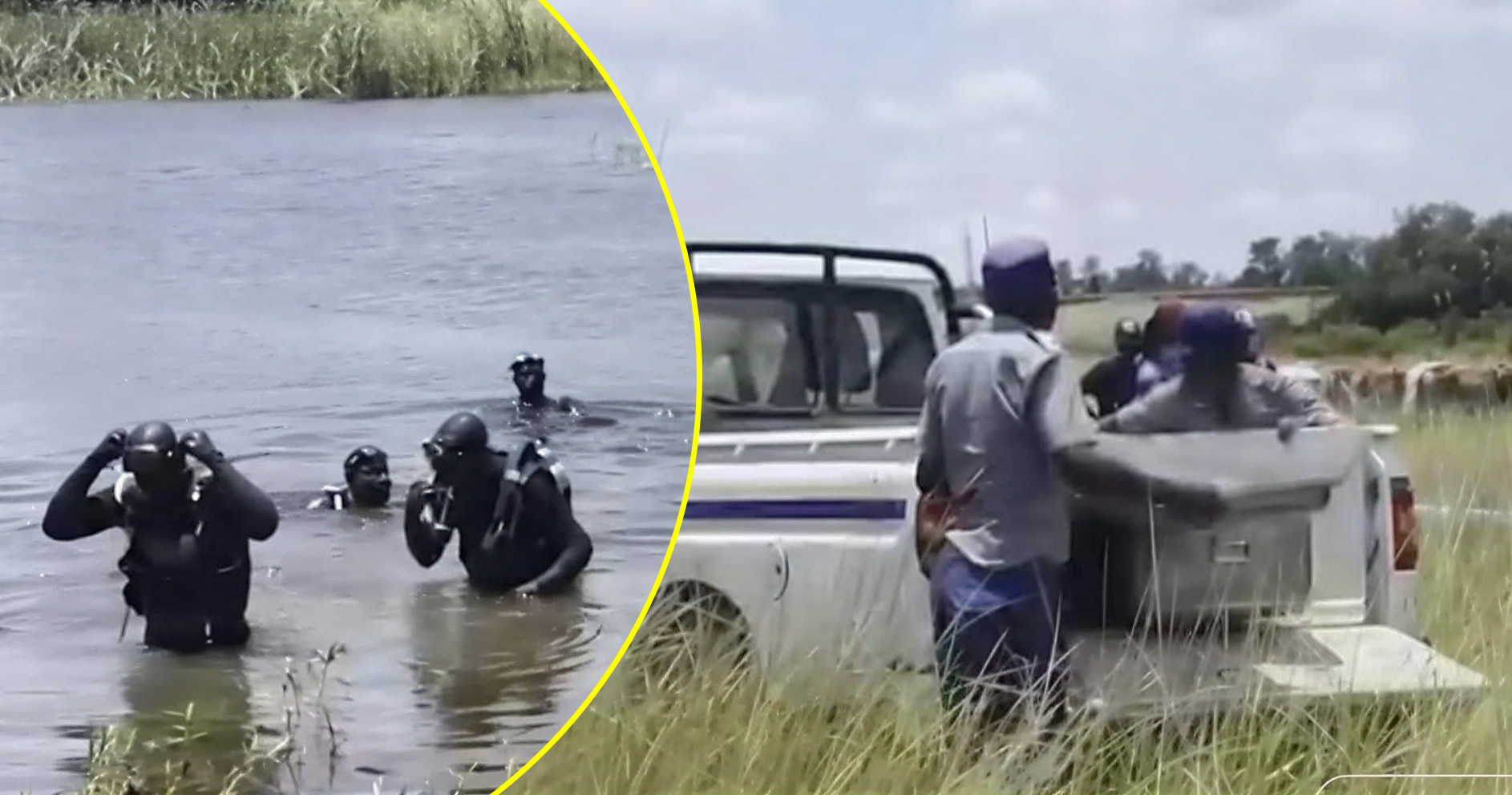
The usually tranquil waters of Clydesdale Dam in Gweru were shattered earlier this week when two men, a well-known mobile phone dealer and a traditional healer, drowned during a traditional ritual, leaving a group of friends and family utterly devastated. What began as a straightforward ceremony to invoke the water spirits of Clydesdale Dam took a tragic turn in an instant as the two men began to drown.
The deceased were part of a group of 15 people that had assembled at the dam, hoping to attract better fortunes through their ritual activities. One of the ritual participants described a mysterious whirlwind that hovered over the waters moments before the two men were dragged under.
“It was like nothing I have ever seen before,” said a shaken eyewitness, who wished to remain anonymous. “We were all standing there as the traditional healer and the other deceased were in the water, when suddenly this whirlwind appeared out of nowhere. It hovered over the water, and then… then it just sucked them in”.
The witness, who was part of the group of 15 people performing the ritual, said they had no warning of the danger that was about to unfold. The incident has left the community reeling, with many struggling to understand what happened.
The police are investigating the incident, but experts say it is unlikely that a whirlwind was the cause of the tragedy. Rather, experts say the men probably got caught in a strong current or undercurrent.
Midlands Provincial police spokesperson Inspector Emmanuel Mahoko confirmed the tragic incident. “Zimbabwe Republic Police confirms two cases of sudden death in which two men drowned at Clydesdale dam in Gweru on 24 February 2026. The now deceased men met their fate while allegedly carrying out traditional rituals,” he said.
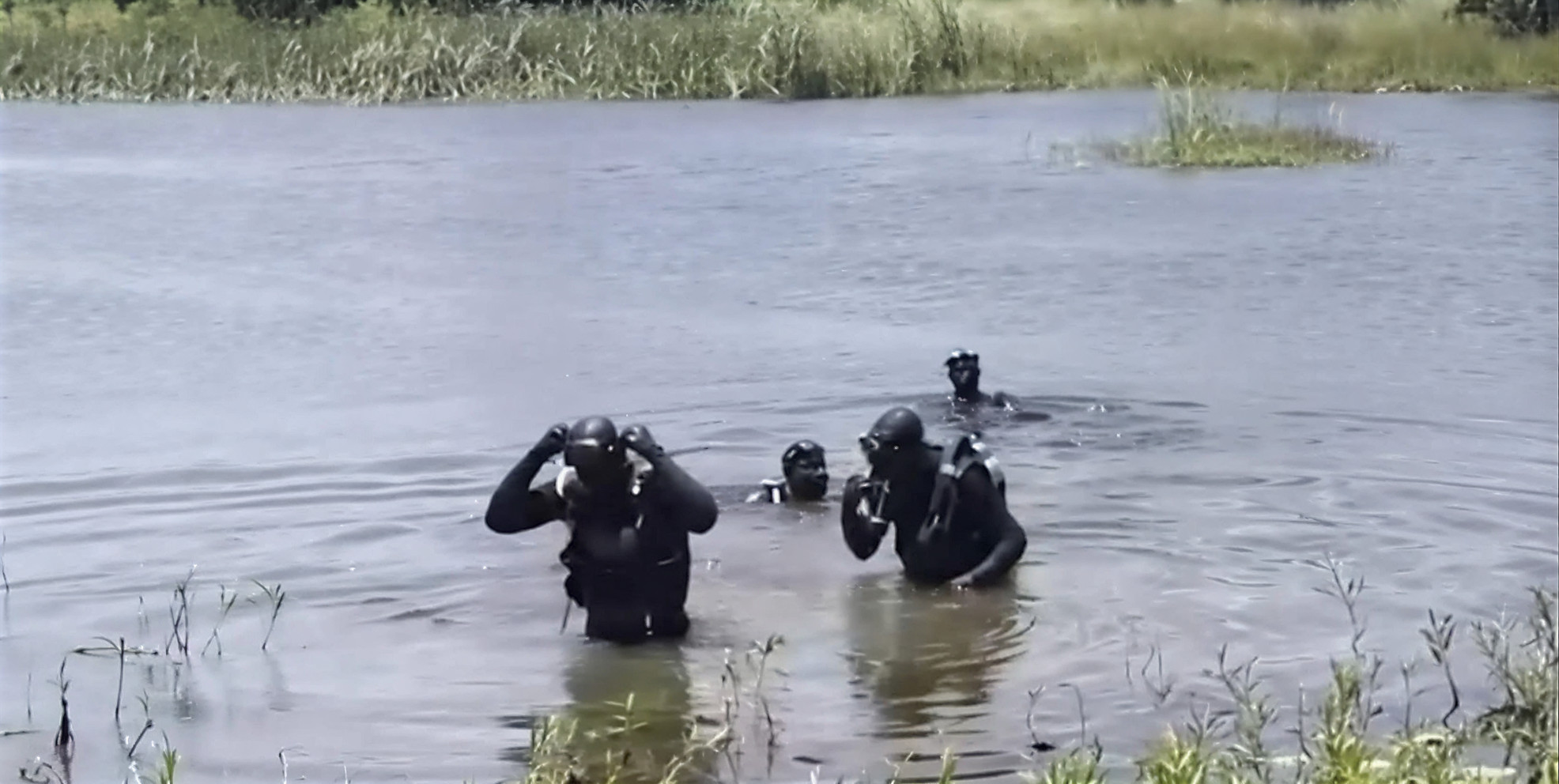
Insp Mahoko said on the fateful day, it is alleged, 15 people comprising 10 women and five men went to the dam to conduct rituals. He said it was during the process of the rituals that the two drowned in the dam. “Zimbabwe Republic Police officers who include Sub Aqua unit attended the scene and the bodies were retrieved on 25 February 2026 at around 10am,” he said.
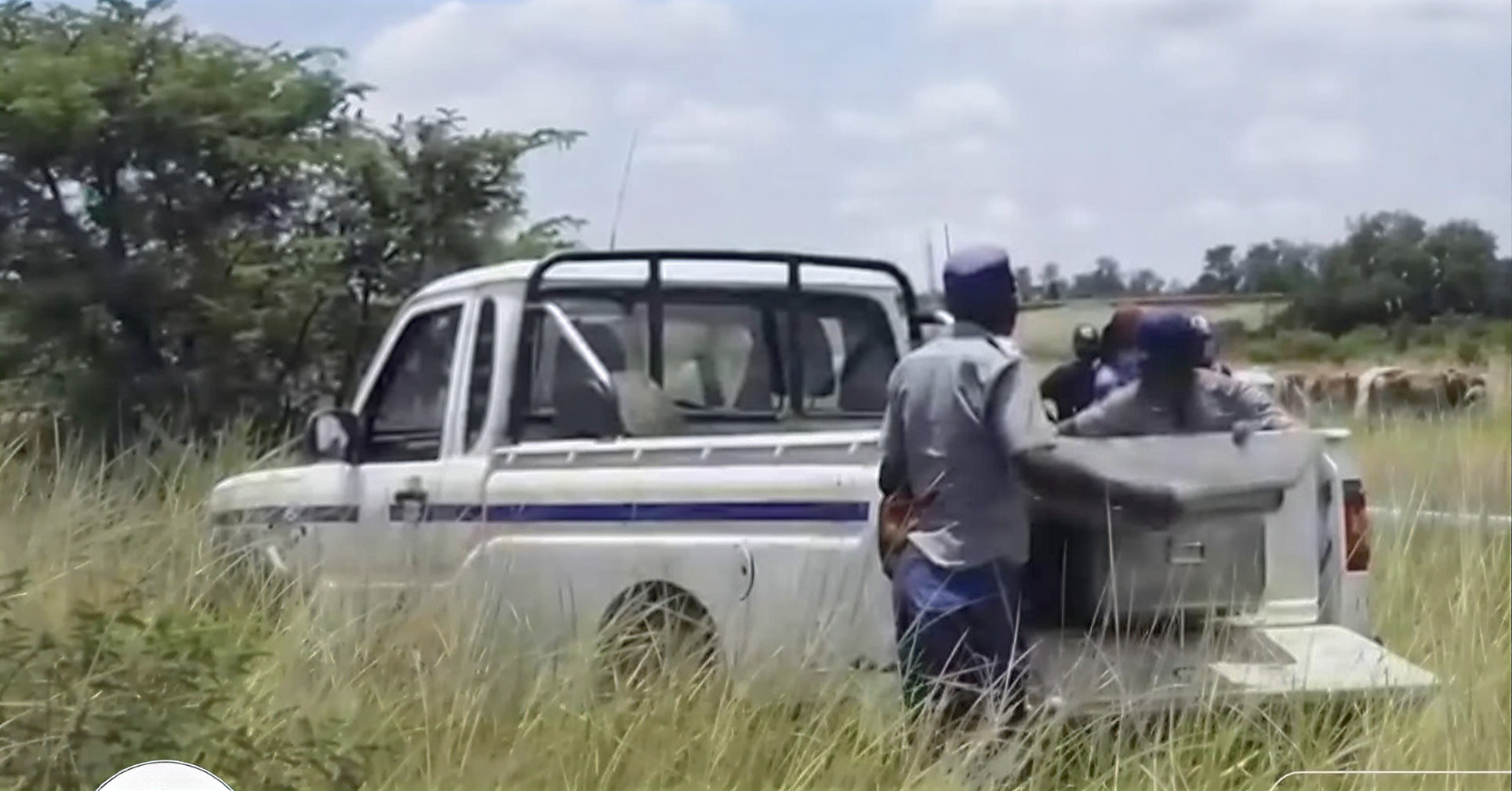
Insp Mahoko said one of the deceased was positively identified as Philemon Matavire (46) of Woodlands, Gweru while the other body is yet to be identified. “Once again, we remind members of the public not to take risks by venturing into deep water bodies or flooded rivers and dams,” he said.
This incident is not an isolated one. A tragic series of drownings during “Manjuzu” rituals in Hwedza and Gweru has left families devastated and communities grappling with fear. The latest victims, a traditional healer and his client, were tragically pulled under by strong currents while reportedly seeking the blessings of these enigmatic “water spirits.” While many might dismiss these incidents as mere accidents, a deeper investigation reveals a disturbing trend: the escalating desperation driving Zimbabweans towards high-risk spiritual rituals in pursuit of financial “miracles.” The “Manjuzu” cult, which promises wealth and beauty through a mystical connection to the underworld, has witnessed a significant surge in popularity amidst the country’s persistent economic struggles.
In July 2025, the Nyaure River in Bindura became the site of another Manjuzu-related tragedy, where two women, Ellen Mulauzi, 49, and Ethel Nyabundu, 22, lost their lives during a ritual led by a self-styled prophet. Just two months later, in September 2025, Vernon Ndemanzvi, 31, drowned during similar rituals at Nyachowa Falls. These recurring tragedies paint a grim picture of the dangers inherent in these practices, often exacerbated by the unregulated nature of some traditional healing ceremonies.
The “Manjuzu” phenomenon is deeply rooted in Shona mythology, where Njuzu (singular) or Manjuzu (plural) are revered as powerful water or mermaid spirits. Adherents believe that connecting with these spirits can bestow immense wealth, enhance beauty, grant fame, and even facilitate healing. For women, there is a particular belief that these spirits can help in luring affluent partners. The allure of such promises has become particularly potent in a nation grappling with severe economic hardships, including currency instability, inflation, and high unemployment. The formal economy’s struggles have inadvertently fuelled a desperate search for alternative avenues to prosperity, making the “Manjuzu” cult an increasingly attractive, albeit perilous, option for many.
Our investigation reveals that the popularity of the “Manjuzu” cult has been significantly amplified through social media platforms. Young, ambitious Zimbabweans, yearning for a better life, are often targeted through platforms like TikTok, Facebook, and Instagram, where self-proclaimed “socialite” healers market the supposed benefits of these rituals. These online narratives often gloss over the inherent dangers, presenting a glamorous, albeit false, image of instant wealth and success. The psychological grip of the “Manjuzu” belief is strong, preying on the hopes and vulnerabilities of individuals seeking a way out of their economic predicaments.
Survivors and traditional experts shed light on the clandestine mechanics of these rituals, which are far from simple prayers by the river. Many ceremonies involve participants entering deep water, often under the influence of heavy sedation or “trance-inducing” herbs. These psychoactive plants, which can include Boophone disticha (Sore-eye flower/Incwadadi), Datura stramonium, and Cannabis sativa, are known to cause disorientation, impaired judgment, and physical incapacitation. When consumed before entering water, these substances dramatically increase the risk of drowning, turning a spiritual quest into a fatal gamble. The traditional experts we spoke to emphasised that genuine spiritual practices should never endanger lives, highlighting the deviation from authentic traditions by some practitioners.
The “ritual industry” surrounding Manjuzu practices has also given rise to predatory occultism. There are numerous accounts of “fake” healers who exploit the desperation of individuals, charging exorbitant fees—sometimes thousands of dollars—for “underwater journeys” that they know are physically impossible and inherently dangerous. These unscrupulous practitioners capitalise on the profound belief in spiritual intervention, offering false hope for substantial financial gain. The lack of stringent regulation within the traditional healing sector allows these “rogue” practitioners to operate with relative impunity, leading their followers into perilous situations.
Zimbabwe does have legislative frameworks in place, such as the Traditional Medical Practitioners Act, which mandates the registration of traditional healers with bodies like the Traditional Medical Practitioners Council (TMPC) or the Zimbabwe National Traditional Healers Association (ZINATHA). These regulations are intended to ensure ethical practice and protect the public. However, many self-styled prophets and healers conducting Manjuzu rituals often operate outside these established structures, making it difficult to monitor their activities and hold them accountable for negligence or malpractice. This regulatory vacuum contributes significantly to the dangers faced by those who seek their services.
The profound question remains: why are so many willing to risk their lives in the water for a promise of gold? This deep dive into the soul of a nation reveals a complex interplay of economic despair, deeply ingrained spiritual beliefs, and the manipulative tactics of opportunistic individuals. The “Manjuzu” craze is a stark reflection of a society searching for hope in the darkest of places, and the fatal price that some are tragically paying in that search. It is a poignant reminder of the urgent need for both economic stability and greater oversight within the traditional healing sector to protect vulnerable communities from exploitation and preventable loss of life.
In a related incident in South Africa, a 34-year-old man, Lucky Fanyana Shongwe, drowned during an alleged spiritual cleansing or prayer ritual at the Sithobela River in Holeka near Ermello on January 27, 2026. Shongwe was believed to have been acting as a traditional or prayer healer at the time. The South African Police Service has opened an inquest docket, and investigations into the circumstances surrounding the incident are ongoing.
These incidents highlight a dangerous trend across Southern Africa, where the pursuit of wealth and spiritual enlightenment through water-based rituals is leading to tragic and preventable deaths. The combination of strong currents, the use of intoxicating substances, and the lack of safety precautions creates a deadly cocktail for those who venture into the water in search of miracles.
As communities mourn the loss of their loved ones, there is a growing call for greater awareness of the dangers of these rituals and for stricter regulation of those who perform them. While traditional beliefs and practices are an important part of the cultural fabric of the region, they should not come at the cost of human life. The hope is that these tragedies will serve as a wake-up call, prompting a re-evaluation of these high-risk practices and a renewed focus on ensuring the safety and well-being of all members of the community.