


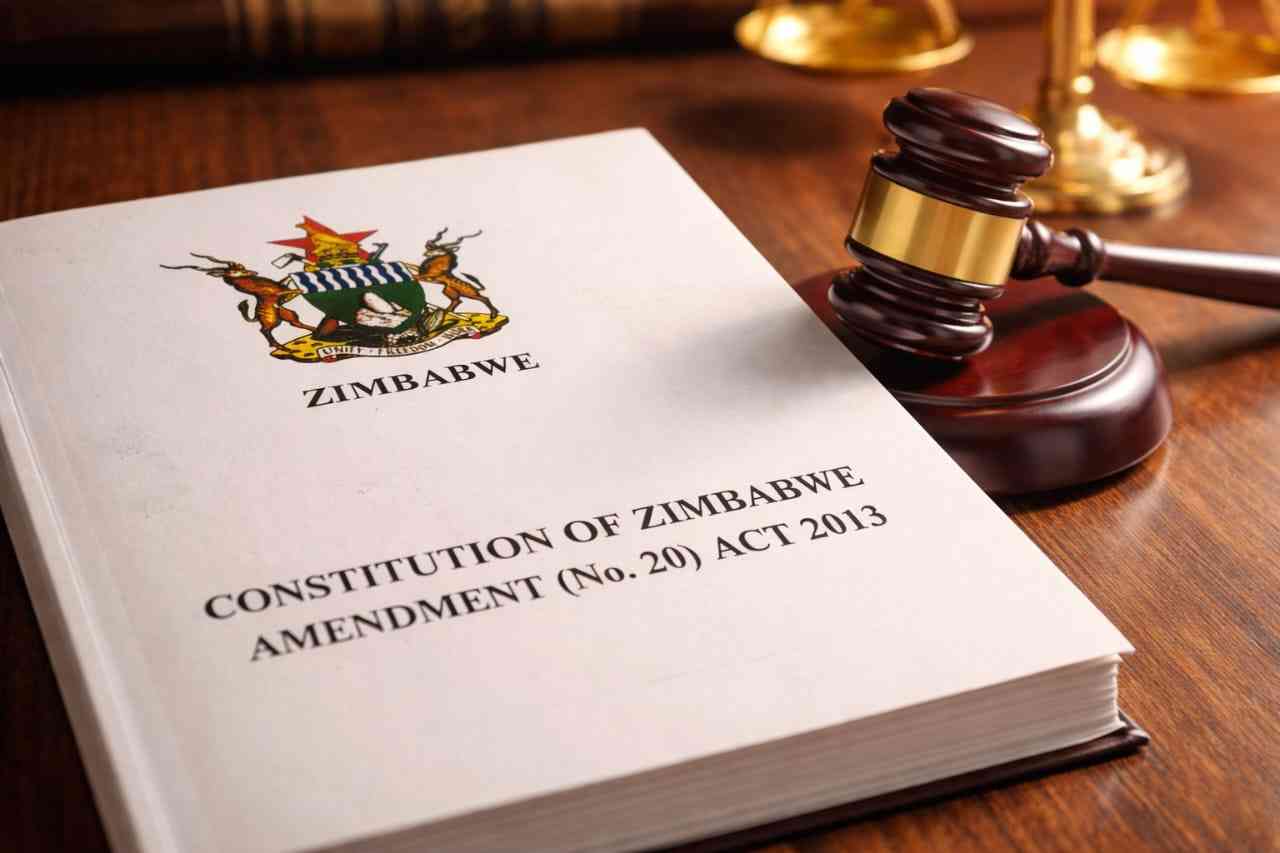
As Zimbabwe stands at a critical crossroads, a sudden and massive wave of support for Constitutional Amendment No. 3 has emerged from an unexpected quarter: the indigenous churches. While the official narrative suggests a spiritual alignment with national development, our investigation reveals a much deeper, more calculated political manoeuvre. This story unpicks the complex web of “religious diplomacy” currently being deployed to secure President Mnangagwa’s controversial 2030 term extension.
Behind the scenes, high-ranking church leaders have been promised significant land concessions and exemptions from certain municipal regulations in exchange for mobilising their millions of followers. We expose the secret meetings held in the outskirts of Harare where political commissars met with “Vapostori” leaders to draft a roadmap for “spiritual endorsement.” This isn’t just about faith; it’s about a symbiotic relationship where the pulpit becomes a political platform. The indigenous churches, particularly the Apostolic sects (Vapostori), have historically represented a significant voting bloc, and their sudden, unified backing of the proposed constitutional changes is a strategic move by the ruling party, ZANU-PF, to consolidate power ahead of the 2030 elections.
The proposed Constitutional Amendment No. 3, 2026, is far more extensive than merely extending presidential term limits. Our analysis reveals several “hidden clauses” that could fundamentally alter the nation’s governance structure. Clause 3, for instance, proposes a radical shift in the presidential election method, suggesting that the President could be elected by Parliament rather than through a direct popular vote. This change would effectively bypass the electorate, concentrating power within the legislative body, which is often dominated by the ruling party.
Furthermore, the amendment seeks to overhaul the appointment of judges. Clause 15 stipulates that all judges, including the Chief Justice, would be appointed by the President after a mere “consultation” with the Judicial Service Commission (JSC). This move would eliminate the current processes of public nominations and interviews, removing transparency and effectively granting the President sole discretion over judicial appointments. Critics argue that this change would compromise the independence and impartiality of the judiciary, turning it into a tool of the executive rather than a check on its power. Similarly, Clause 20 would allow the President to appoint the Prosecutor-General entirely at his own discretion, further eroding the independence of key state institutions.
The electoral landscape is also targeted for significant changes. The Bill proposes transferring the crucial function of voter registration from the Zimbabwe Electoral Commission (ZEC) to the Registrar-General. The Registrar-General is a civil servant, susceptible to political control and manipulation, raising concerns about the integrity of voter rolls. Additionally, a new “Zimbabwe Electoral Delimitation Commission” would be established, with its members appointed by the President and serving at his pleasure. This structure raises fears that electoral boundaries could be manipulated to favour the ruling party, undermining the fairness of future elections.
Perhaps one of the most contentious changes, particularly in the context of church involvement, is Clause 21, which abolishes the requirement for traditional leaders to be non-partisan. This amendment opens the door for traditional leaders, who wield considerable influence in rural communities, to openly engage in political activities and endorse specific parties or candidates. This move is seen as a direct attempt to leverage traditional authority for political gain, further blurring the lines between traditional leadership and partisan politics.
Within the indigenous churches themselves, this political alignment is not without its challenges. While high-ranking leaders may be swayed by promises of land concessions and exemptions from municipal regulations, there is growing internal friction. Younger congregants, particularly those more attuned to democratic principles and social justice, are beginning to question the “divine mandate” claimed by their leaders to support political agendas. This generational divide threatens to create schisms within these religious communities, as faith and political expediency clash.
Evidence suggests that the ruling ZANU-PF party has been actively cultivating relationships with indigenous church leaders for some time. Newspaper headlines from as early as June 2024 reported on “Vapostori joining ED’s 2030 bid bandwagon”. These reports often highlight instances where church members chanted “ED 2030” slogans and sang praises acknowledging Mnangagwa’s term extension. The use of “4ED” (For Emmerson Dambudzo) affiliate groups within churches further underscores the deliberate strategy to integrate political messaging into religious gatherings.
This isn’t merely about continuity, as citizens are being told; the underlying data suggests a preparation for a dynastic transition that bypasses traditional democratic safeguards. The proposed changes create a “legal fortress” for the current administration, making it exceedingly difficult for future challenges to the ruling party’s authority. The erosion of judicial independence, the politicisation of electoral processes, and the co-option of traditional and religious leaders paint a concerning picture for the future of democratic governance in Zimbabwe.
One prominent indigenous church leader, Madzibaba Andby Makururu, has been quoted defending his prophecy that people who vote for ZANU-PF and President Emmerson Mnangagwa will be blessed. While not a direct quote on the constitutional amendment, this illustrates the intertwining of religious rhetoric with political endorsement. Another instance shows church members chanting “ED 2030” slogans and singing praises acknowledging Mnangagwa’s term extension. These public displays, often at gatherings that blur the lines between religious worship and political rallies, serve to normalise and amplify the political agenda within the religious sphere.
The strategic deployment of “religious diplomacy” by the ruling party is a sophisticated tactic to legitimise its political ambitions. By securing the endorsement of influential church leaders, ZANU-PF aims to tap into the deep-seated trust and loyalty that millions of Zimbabweans place in their religious institutions. This allows the party to present its agenda, including the controversial constitutional amendments, as divinely sanctioned or morally imperative, thereby circumventing critical scrutiny and mobilising a large, often unquestioning, support base.
However, this strategy is not without its detractors. Beyond the internal friction among younger congregants, other Christian umbrella bodies have sounded alarms over Mnangagwa’s term extension plan. The Zimbabwe Heads of Christian Denominations, for example, issued a forceful joint pastoral statement in February 2026, warning that the proposed amendments are “broadly inconsistent with the foundational values underpinning the people-driven 2013 Constitution”. This highlights a significant divergence in opinion within the broader religious community, suggesting that the backing of indigenous churches is not universal and faces considerable opposition from other Christian groups.
The implications of Constitutional Amendment No. 3 extend far beyond the immediate political landscape. The erosion of judicial independence, the politicisation of electoral processes, and the co-option of traditional and religious leaders threaten to dismantle the checks and balances essential for a functioning democracy. The narrative of “continuity” propagated by the administration masks a deeper agenda of entrenching a dynastic transition, bypassing traditional democratic safeguards and potentially leading to a more authoritarian state.
This article serves as a wake-up call, revealing how your Sunday service might be the front line for the most significant political shift since 2017. The intricate dance between political power and religious influence in Zimbabwe is a complex phenomenon, with profound consequences for the nation’s democratic future. The sudden backing of indigenous churches for Constitutional Amendment No. 3 is not a spontaneous spiritual alignment but a carefully orchestrated political manoeuvre, driven by promises of material gain and designed to secure President Mnangagwa’s extended stay in power until 2030 and beyond.