


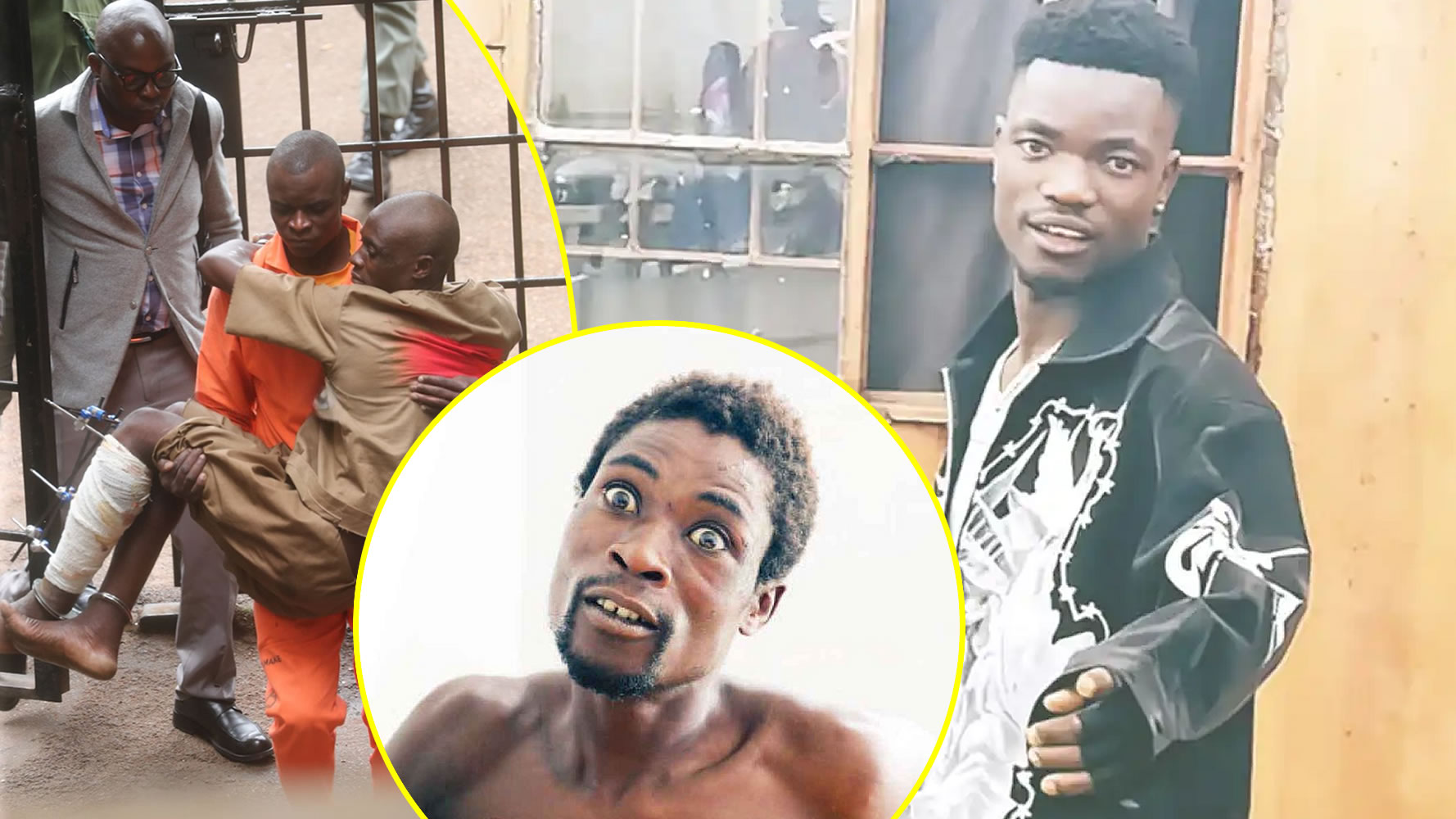
The quiet district of Guruve, known for its rolling hills and agricultural resilience, has become the epicentre of a national nightmare. For months, a shadow loomed over the community as one by one, individuals vanished into the thin air of the Mashonaland Central province. The eventual arrest of 33-year-old Anymore Zvitsva on 3 January 2026 did not bring the expected closure. Instead, it opened a Pandora’s box of horrors that has forced Zimbabwe to confront the darkest corners of its collective psyche.
Zvitsva, now dubbed the ‘Guruve Serial Killer’, has confessed to 25 brutal killings. His admissions are not merely a list of names and dates; they are a descent into a world of cannibalism, ritualistic trade, and a chilling disregard for human life. As his confessions are broadcast across the nation, a debate has ignited over the media’s role in portraying such a figure. Are we witnessing the birth of a ‘Ted Bundy’ cult in Zimbabwe? Is the fascination with Zvitsva’s personality and his unthinkable acts overshadowing the tragedy of the victims?
The investigation into Zvitsva’s crimes has moved beyond the sensational headlines. It is now a critical examination of the psychological and sociological factors that could lead a man to such heights of depravity. Criminologists and sociologists are being called upon to provide a comprehensive analysis of the case, looking for the early warning signs or systemic failures that might have contributed to his descent into serial murder.
The Chilling Confessions of a Cannibal
Sitting within the grey, oppressive walls of Chikurubi Maximum Security Prison, Anymore Zvitsva spoke with a calmness that defied the gravity of his words. He detailed how he targeted his victims, many of whom were his own relatives. One of the most horrifying aspects of his confession involved the murder of a woman named Hlatswayo. Zvitsva admitted not only to taking her life but to eating her flesh.
“I ate the flesh of Hlatswayo,” he stated plainly, a confession that left even seasoned investigators reeling. But the horror did not stop at cannibalism. Zvitsva described a commercial enterprise built on human remains, claiming he sold body parts and blood to traditional healers and self-styled prophets.
“There is one woman I killed and gave the blood to a prophet who gave me US$200,” Zvitsva confessed. “I don’t know what he wanted to use it for.” He further detailed how he provided breasts to an individual named Nathan Churweni. “The breasts I gave to Nathan Churweni, who said he would give me my money when he came back from Mozambique, but that never materialised after he heard that police were looking for me.”
Zvitsva also named other individuals, including Junioius Kasinauyo and Gidza Dhorobha, as recipients of his gruesome supplies. These names have now become central to a wider police investigation into a ritual killings syndicate. The suspect even claimed a supernatural element to his crimes, suggesting he used ashes from his victims to gain prophetic powers. “So each time I would use the ashes, even when I was asleep, I could foretell what was to befall me. Even if you have money in your house, I would predict where it is hidden,” he claimed.
Perhaps most disturbing was his stated motive for some of the murders. In a nation grappling with the complexities of crime and poverty, Zvitsva’s admission that he killed for a “cup of mbanje” (marijuana) highlights a terrifying devaluation of life.
The First Lady’s Unprecedented Visit
In a move that has divided public opinion, the First Lady, Dr Auxillia Mnangagwa, visited Zvitsva at Chikurubi Maximum Security Prison. The visit was unprecedented, bringing the highest office in the land face-to-face with a man accused of unspeakable acts. The First Lady appeared visibly shaken as she listened to the details of his crimes.
“I visited Chikurubi Maximum Prison where I met Anymore Zvitsva following the horrific murders that left many families in Guruve traumatised,” she stated later. Her motivation, according to official reports, was to gain insight into the mind of a serial killer and to understand the root causes of such extreme violence in society.
The visit has raised significant questions. Was this a genuine humanitarian gesture aimed at understanding a complex societal issue, or was it a public relations exercise? Critics argue that such high-profile engagement with a suspected killer risks turning him into a celebrity. The image of the First Lady sitting across from Zvitsva, accompanied by a camera crew, has been described by some as a “spectacle” that prioritises media visibility over the dignity of the victims’ families.
The Risk of a ‘Ted Bundy’ Cult
The media’s portrayal of Zvitsva has come under intense scrutiny. There is a documented psychological phenomenon known as hybristophilia, where individuals develop an attraction to those who commit gruesome crimes. By televising Zvitsva’s confessions and focusing on his personality, the media may be inadvertently fueling this phenomenon.
The comparison to Ted Bundy, the American serial killer who garnered a cult-like following during his trial, is not without merit. When the narrative shifts from the tragedy of the victims to the charisma or “insights” of the killer, the gravity of the crimes is diluted. The focus, many argue, should remain on the suffering of the families in Guruve and the restoration of their security, not on the man who allegedly took their loved ones away.
Furthermore, there are serious ethical and legal implications. Zimbabwe operates under the principle of sub judice, which dictates that matters before a court should not be discussed publicly in a way that might prejudice the outcome. By broadcasting confessions before a trial has concluded, the state risks polluting the judicial process. Any competent defence lawyer could argue that Zvitsva’s right to a fair trial has been compromised by this level of prejudicial publicity. We need only look at the 1954 case of Dr Sam Sheppard in the United States, whose conviction was overturned because “massive, pervasive, and prejudicial publicity” prevented a fair trial.
Societal Issues and the Role of Tradition
The Zvitsva case does not exist in a vacuum. It is a reflection of broader societal issues, including poverty, mental health challenges, and the exploitation of traditional beliefs. The alleged selling of body parts to healers for ritual purposes—often referred to as ‘muthi’ killings—is a recurring theme in Southern African crime.
These practices are often based on a misinterpretation or exploitation of traditional beliefs. The idea that human remains can bring wealth or power is a dangerous myth that continues to claim lives. The investigation into Zvitsva must also consider the impact of such high-profile cases on the national psyche. How do communities grapple with the reality of such extreme violence in their midst?
This case also brings to mind other recent incidents in Zimbabwe, such as the trial of Bright Zhantali, who was accused of murdering over 20 women. The horrific ritual murder of young Tapiwa Makore in Murewa in 2020 also remains fresh in the minds of many. These cases suggest a troubling pattern that requires more than just police intervention; it requires a collective societal response.
A Quest for Justice
The police investigation and the subsequent judicial process must be thorough and transparent. There are questions about whether all avenues are being explored to ensure justice for the victims and to prevent future occurrences. The search for the “prophets” named by Zvitsva is a crucial step in dismantling any potential syndicate involved in these ritual killings.
The descent of a 33-year-old man into a life of serial murder is a tragedy that demands answers. Were there early warning signs? Did systemic failures in mental health support or community policing allow his crimes to continue for so long? By dissecting the narrative surrounding Zvitsva, this investigation by My Zimbabwe News aims to provide a nuanced understanding of this complex case, moving beyond mere shock value to explore its deeper societal implications.
Ultimately, the story of Anymore Zvitsva is a profound reflection on the nature of evil and the responsibility of the media. It urges us to confront the uncomfortable truths that lie beneath the surface of our society. As the families in Guruve continue to grieve, the nation must ensure that their loss is not forgotten in the glare of the media spotlight. Justice must be served, not just for the victims of Anymore Zvitsva, but for a society that deserves to feel safe within its own borders.
The path to national visibility should not be through the commission of unthinkable acts. We must be careful not to create an incentive structure that rewards violence with notoriety. The gravity of the crimes in Guruve must never be lost in the search for a “prime-time event.” Instead, it should serve as a somber reminder of our collective responsibility to protect the vulnerable and to seek a deeper understanding of the factors that lead to such unspeakable acts.