


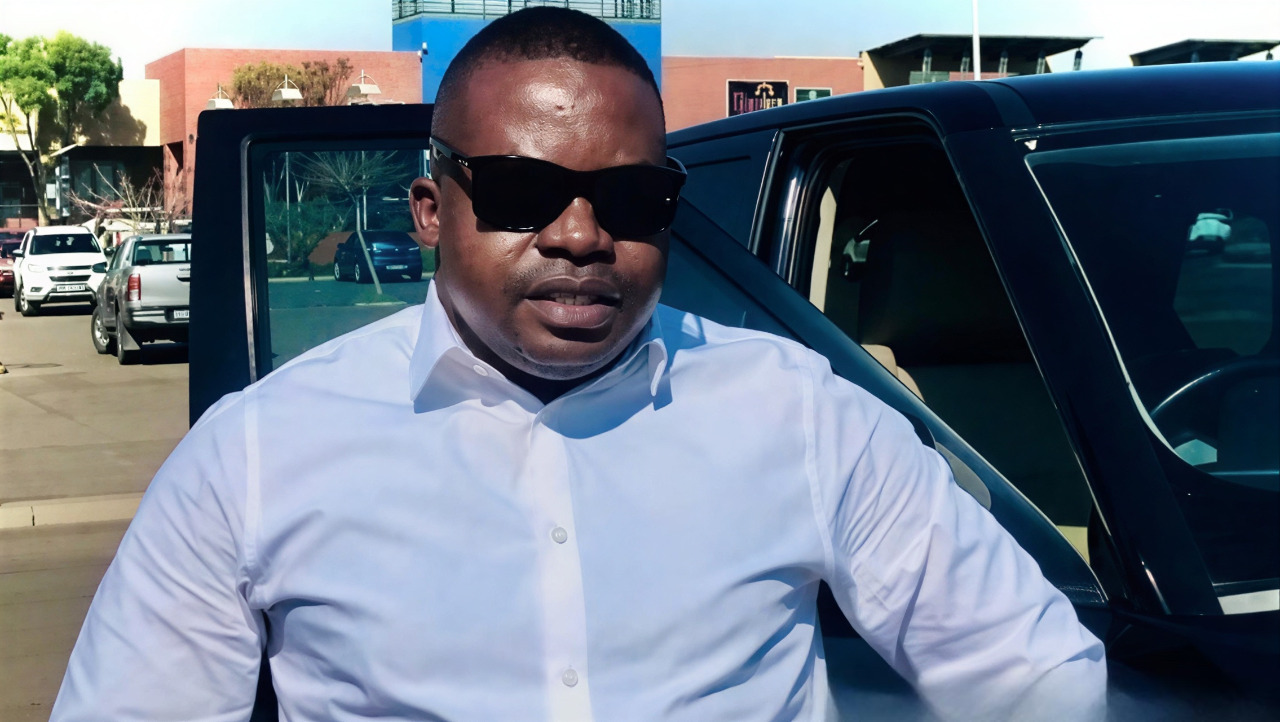
The recent passing of veteran Zimbabwean journalist Jonisayi Maromo, affectionately known as “Warchild,” has cast a long shadow across the African media landscape. While many tributes have rightly focused on his extensive career and his leadership within the profession, an investigative examination reveals a more profound and, at times, perilous legacy. Maromo was a man who dedicated his life to unearthing the “uncomfortable truths” that those in power often sought to bury, a pursuit that, in a nation like Zimbabwe, carried inherent and significant risks.
Maromo’s journey as a journalist was characterised by an unwavering commitment to fearless investigation. He delved into some of the most sensitive stories of his time, from high-level corruption that siphoned national resources to the darker, often suppressed, chapters of Zimbabwe’s political history. His courage in tackling such narratives made his voice particularly potent and, to some, undeniably “dangerous.” The question that lingers in the wake of his death is not merely what secrets he took to his grave, but why his persistent quest for truth was perceived as such a threat by the establishment.
A Life Dedicated to Uncovering Truths
Jonisayi Maromo passed away in the early hours of Wednesday, 11 March 2026, at Victoria Chitepo Hospital, also known as Mutare General Hospital, following a short illness. His wife, Aldrine Maromo, confirmed the sad news. Sources close to the family indicated that Maromo had travelled to Mutare to visit his unwell mother. Shortly after his arrival, he began experiencing severe stomach pains, which worsened rapidly, leading to his admission and subsequent transfer to the Intensive Care Unit, where he ultimately succumbed.
Maromo was a senior multimedia journalist for IOL (Independent Online) in South Africa and a co-founder of the African Media and Communications Forum. This forum served as a crucial platform, bringing together journalists, communicators, policymakers, and scholars to critically assess the media’s role in advancing Africa’s democratic and developmental agenda. Through this work, he championed ethical journalism, fostered meaningful dialogue, and strengthened professional networks across the continent.
His colleagues remember him as a journalist driven by intellectual curiosity, humility, and a deep commitment to telling African stories with honesty and depth. The African Media and Communications Forum, in a statement, described Maromo as a dedicated journalist, thoughtful communicator, and passionate advocate for the transformation of Africa’s media sector. The statement read: “Jonisayi was a dedicated journalist, a thoughtful communicator, and a passionate advocate for the growth and transformation of the media sector in Africa. His passing is a profound loss not only to those of us who had the privilege of working closely with him, but also to the broader media and communications fraternity across the continent.” They further added, “He believed strongly in the power of media to inform, empower and connect communities. His voice, insights and mentorship will be sorely missed by many in the profession.” The organisation concluded by stating, “His passing leaves a void that will be difficult to fill.”
Among his most impactful reports were investigations into corruption, including the exploitation of South Africa’s immigration system by figures such as Bushiri and Omotoso, and high-level political corruption within Zimbabwe. These reports, often met with a “conspiracy of silence,” highlighted the systemic challenges faced by those who dared to expose wrongdoing.
The Perilous Landscape of Zimbabwean Journalism
Maromo’s career unfolded against a backdrop where “freedom of the press” in Zimbabwe has frequently been more of a rhetorical flourish than a lived reality. The nation’s media environment is fraught with challenges, where journalists often face immense pressure, including arbitrary arrests, baseless charges, and even disappearances. This reality underscores the “hidden dangers” that investigative journalists must confront in their pursuit of truth.
Recent incidents serve as stark reminders of this perilous landscape. In March 2026, a warrant of arrest was issued for journalist Blessed Mhlanga for “transmitting data messages that incite violence” following a speech he delivered in Geneva. Mhlanga had previously been detained in February 2025/2026 for his reporting on corruption, illustrating a pattern of legal harassment, often termed “lawfare,” used to silence critical voices. Human Rights Watch reported in March 2025 that Mhlanga had been in detention since his arrest on 24 February 2025, held on what they described as baseless charges.
Perhaps one of the most chilling examples of the risks faced by journalists and activists in Zimbabwe is the case of Itai Dzamara. On 9 March 2015, Dzamara, a journalist and activist, was abducted in broad daylight from a barber shop in Harare. Eleven years on, as of 2026, he remains missing. His disappearance is a poignant symbol of the “true cost” of speaking truth to power and the lengths to which some will go to suppress dissent. Amnesty International, in March 2025, highlighted that ten years had passed without answers regarding Dzamara’s enforced disappearance, with human rights groups continuing to demand accountability.
These incidents paint a clear picture of the environment in which Jonisayi Maromo operated. His ability to consistently report on sensitive issues, despite these overt and covert pressures, speaks volumes about his resolve and the depth of his commitment to his craft. The “conspiracy of silence” that often greeted his findings was not merely an absence of official comment, but an active effort to marginalise and discredit his work, and by extension, to intimidate others.
The Unfinished Work and a Call to Action
Maromo’s “dangerous legacy” is not one of recklessness, but of profound integrity in the face of adversity. He understood that a healthy society depends on a robust, independent press willing to hold power to account. His work exposed the intricate web of corruption and the darker aspects of the nation’s political history, thereby providing citizens with the information necessary to demand transparency and justice.
The circumstances surrounding his sudden illness and death, while officially attributed to natural causes, inevitably raise questions in a context where journalists who “knew too much” have faced severe repercussions. The “secrets” that Maromo took with him to the grave are not necessarily literal documents or hidden facts, but rather the untold stories, the unwritten exposés, and the deeper insights into the mechanisms of power that only a seasoned investigative journalist could possess.
His passing leaves an “unfinished work” – a call for a new generation of journalists to pick up the mantle. It is a reminder that the fight for press freedom and accountability is continuous. The simplification of the complex history of media repression in Zimbabwe reveals the immense courage required to operate within such a system. Maromo’s story is a testament to the vital role that investigative journalism plays in a healthy society and a stark illustration of the “hidden dangers” that those who pursue it must face.
This article is more than an obituary; it is a tribute to the truth that Jonisayi Maromo championed throughout his life. His legacy as “the man who knew too much” remains a powerful force for accountability and change, urging current and future journalists to continue uncovering the “secrets” that keep Zimbabwe in the shadows. His life serves as an enduring inspiration for all who believe in the power of the pen to challenge injustice and illuminate the path towards a more transparent and equitable future.