


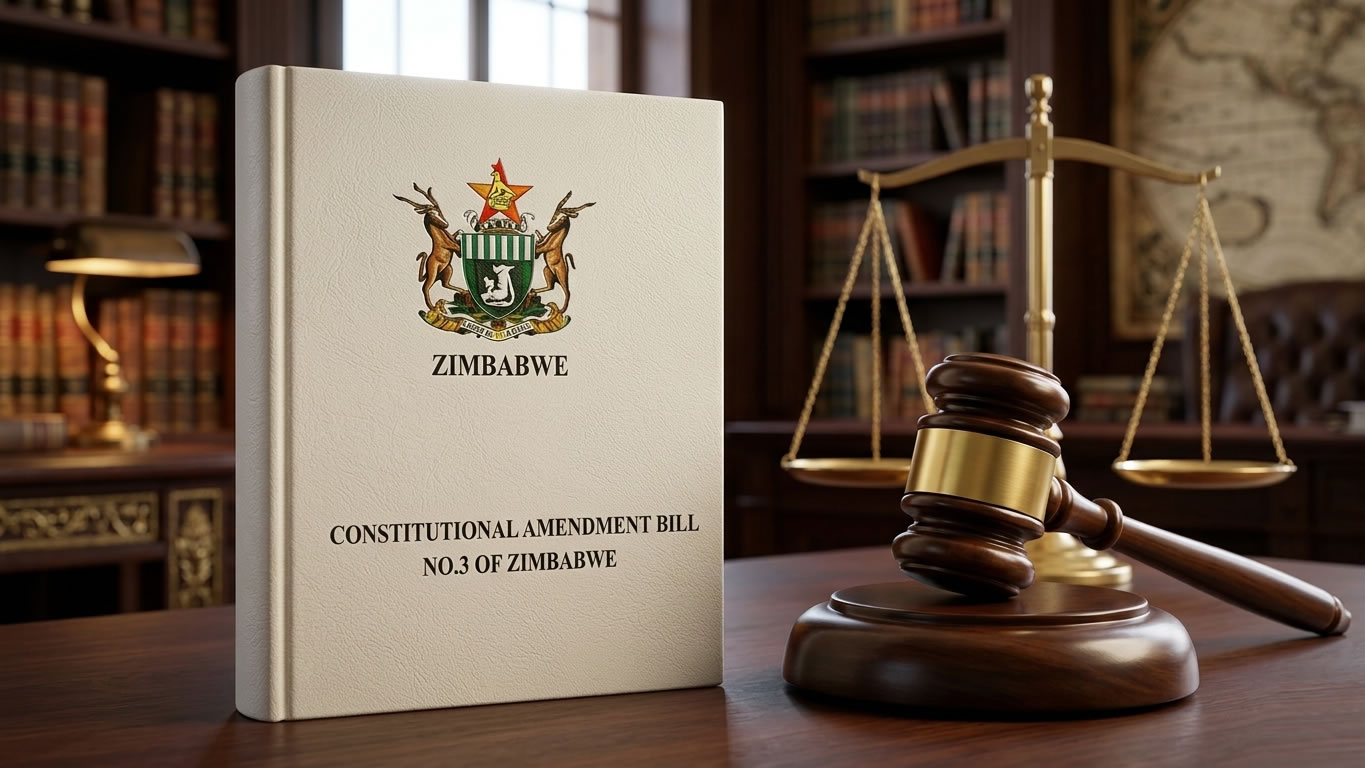
HARARE – In a dramatic turn of events that has gripped Zimbabwe, all 210 Members of Parliament (MPs) found themselves at the receiving end of constitutional challenges over the contentious Constitution of Zimbabwe Amendment (No. 3) Bill, widely known as CAB3. This unprecedented legal manoeuvre, described by some as an “ambush,” unfolded under the cloak of darkness, with legal teams meticulously ensuring that every single representative was personally handed the crucial documents. This is not merely a procedural formality; it represents a significant pre-emptive strike designed to thwart the bill before it can even reach a conclusive vote in Parliament.
Our investigation delves into the intricate details behind this legal blitz, exploring the motivations, the key players, and the profound implications for Zimbabwe’s democratic future. The serving of legal papers to every MP in the dead of night underscores the high stakes involved, transforming a legislative process into a gripping legal and political drama.
The Genesis of Controversy: Understanding CAB3
At the heart of this unfolding saga is CAB3, a legislative proposal that has ignited widespread debate and opposition across Zimbabwe. The bill seeks to introduce several far-reaching amendments to the country’s constitution. Among its most controversial provisions are those that critics argue could extend the terms of office for the president and alter the method of presidential elections, potentially replacing direct popular vote with a parliamentary one. These proposed changes have raised serious concerns about the concentration of power and the erosion of democratic safeguards.
Proponents of CAB3, primarily from the ruling Zanu PF party, contend that these reforms are essential for strengthening governance and improving state institutions. However, a significant portion of the populace, civil society organisations, and legal experts view the bill as a direct threat to the constitutional order established in 2013, which was largely seen as a progressive step towards a more democratic Zimbabwe.
The Midnight Delivery: A Legal Coup?
The serving of legal papers to all 210 MPs was a meticulously planned operation. Reports indicate that legal teams worked tirelessly through the night to ensure that each MP received the constitutional challenge documents. This method of delivery, while unusual, was strategically chosen to ensure that no legislator could claim ignorance or evade the legal process. The intent was clear: to legally bind every MP to the challenge, forcing them to acknowledge the gravity of the situation before they could cast their votes on CAB3.
This act has been interpreted by many as a powerful statement from those opposing the bill, signalling their determination to use every legal avenue available to protect the constitution. The timing and execution of this “ambush” have undoubtedly added a layer of intrigue and urgency to the ongoing debate, forcing MPs to confront the legal ramifications of their legislative decisions directly.
Youngerson Matete: A Lone Voice Against the Tide
Among the prominent figures leading the charge against CAB3 is human rights activist Youngerson Matete. Matete recently filed an urgent application in the High Court, seeking a declaratory order that several provisions within the Amendment Bill cannot lawfully be enacted without first being approved through a national referendum. His legal argument hinges on Section 328 of the Constitution, which stipulates that certain entrenched constitutional provisions require a national referendum for amendment. Matete contends that Clauses 4, 9, and 10 of CAB3 fall under this category, asserting that Parliament cannot proceed without the explicit consent of Zimbabwean voters.
Matete’s courageous stance has, however, come at a personal cost. Just days before the parliamentary debate, he received a chilling death threat. A parcel, reportedly containing a picture of a bullet and a message demanding he withdraw his High Court application, was delivered to his residence while he was away. Matete, though shaken, has remained resolute, stating unequivocally, “I won’t withdraw.” This incident highlights the dangerous environment in which activists and critics of the bill are operating, underscoring the intense pressure exerted on those who dare to challenge the proposed amendments.
Lovemore Madhuku and Other Legal Challenges
Youngerson Matete is not alone in his legal battle. Prominent constitutional law expert Professor Lovemore Madhuku, along with the National Constitutional Assembly (NCA) and former finance minister Tendai Biti, have also filed urgent court bids challenging CAB3. Their actions further underscore the widespread legal opposition to the bill, with arguments often centring on the potential for the amendments to undermine the fundamental principles of the constitution. These multiple legal challenges collectively present a formidable obstacle to the bill’s passage, forcing the courts to deliberate on the very essence of Zimbabwe’s constitutional framework.
Parliamentary Turmoil: Death Threats and Adjournment
The tension surrounding CAB3 spilled over into the parliamentary chambers, leading to an abrupt halt in the debate. On Wednesday, the debate on the Constitutional Amendment Bill No. 3 was suspended earlier than anticipated after lawmakers expressed grave concerns about their safety. Reports of death threats directed at Members of Parliament created an atmosphere of fear and apprehension, making it impossible to continue legislative proceedings late into the night.
National Assembly Speaker Jacob Mudenda acknowledged the seriousness of the situation, informing legislators that additional security arrangements had been put in place following the threats. Zanu PF Chief Whip Pupurai Togarepi publicly stated that he had personally received threats, including messages circulating on social media. This climate of intimidation led to the adjournment of the debate, with political analyst Phillan Zamchiya suggesting that the security concerns could significantly delay the bill’s progress, as many MPs were uncomfortable remaining at Parliament after dark.
The Ruwa MP’s Defiance
Amidst the political manoeuvring and threats, one voice of defiance has emerged prominently: Thomas Muwodzeri, the Member of Parliament for Ruwa. Muwodzeri has publicly vowed to vote against CAB3, articulating the profound concerns shared by many critics of the bill. His stance is particularly significant as it comes from within the parliamentary ranks, demonstrating that opposition to the bill is not confined solely to external activists and civil society groups. Muwodzeri’s outspoken criticism, particularly regarding Clause 16 of the bill, highlights the internal divisions and moral dilemmas faced by legislators as they grapple with the implications of CAB3.
Public Opposition vs. Official Claims of Support
Despite the vocal opposition from legal experts, civil society, and some MPs, a parliamentary committee controversially claimed overwhelming public support for the constitutional changes. According to their report, a staggering 537,102 out of 540,037 submissions received during public consultations—a purported 99.4%—backed the proposed amendments. These figures have been met with widespread scepticism and outright dismissal by critics, including Constitutional Defenders Forum convener Tendai Biti, who argued that public opposition remained prevalent.
Such a stark contrast between official claims and observed public sentiment further fuels the controversy surrounding CAB3, raising questions about the transparency and integrity of the consultation process. The perceived disconnect between the government’s narrative and the reality on the ground only intensifies the political struggle.
The Road Ahead: A Defining Moment for Zimbabwe
CAB3 has passed its second reading in Parliament and is now set to proceed to a detailed debate before a final vote. With Zanu PF holding a significant majority in both the National Assembly and the Senate, the bill is widely expected to secure the numbers required for constitutional amendments. However, the legal challenges, the death threats, and the public outcry have transformed what might have been a straightforward legislative process into a defining moment for Zimbabwe’s democracy.
The outcome of this battle will undoubtedly shape the country’s political landscape for years to come. It is a high-stakes drama where the future of constitutional governance, the balance of power, and the voice of the people hang in the balance. The “dead of night” ambush, the bravery of activists like Youngerson Matete, the legal prowess of Professor Lovemore Madhuku, and the defiance of MPs like Thomas Muwodzeri all contribute to a narrative that is far from over, as Zimbabweans watch intently to see whether their constitution will be protected or fundamentally altered. The struggle for the soul of the nation continues, played out in the courts, in Parliament, and in the hearts of its citizens.