


A 38-year-old Goromonzi man has been jailed for six months after digging up his aunt’s grave in a desperate search for gold rings he believed had been buried with her.
Challenge Jasi appeared before Murehwa magistrate Panashe Matongo, where he pleaded guilty to disturbing and desecrating the grave of Rosina Dipazhi, his aunt who died in 2002.
The disturbing case unfolded at Mermaid Pool Cemetery in Chief Chikwaka, Juru, where Dipazhi had been laid to rest more than two decades ago. The court heard that Jasi went to the cemetery in broad daylight on August 2 and opened the grave using a hoe he had borrowed from his nephew at Chipunza Farm.
Jasi had told his nephew that he needed the tool to collect traditional medicine from a forest. Instead, he travelled to the cemetery and began digging into Dipazhi’s grave. His stated purpose, as presented in court, was to recover gold rings which he believed had been buried with the dead woman.
The search led to the removal of several human remains. Among the items taken from the grave were the skull, ribs, tibia and fibula bones. Jasi also removed clothing identified as a green skirt and a black petticoat. He placed the remains and clothing in a sack before leaving the cemetery and travelling to Harare.
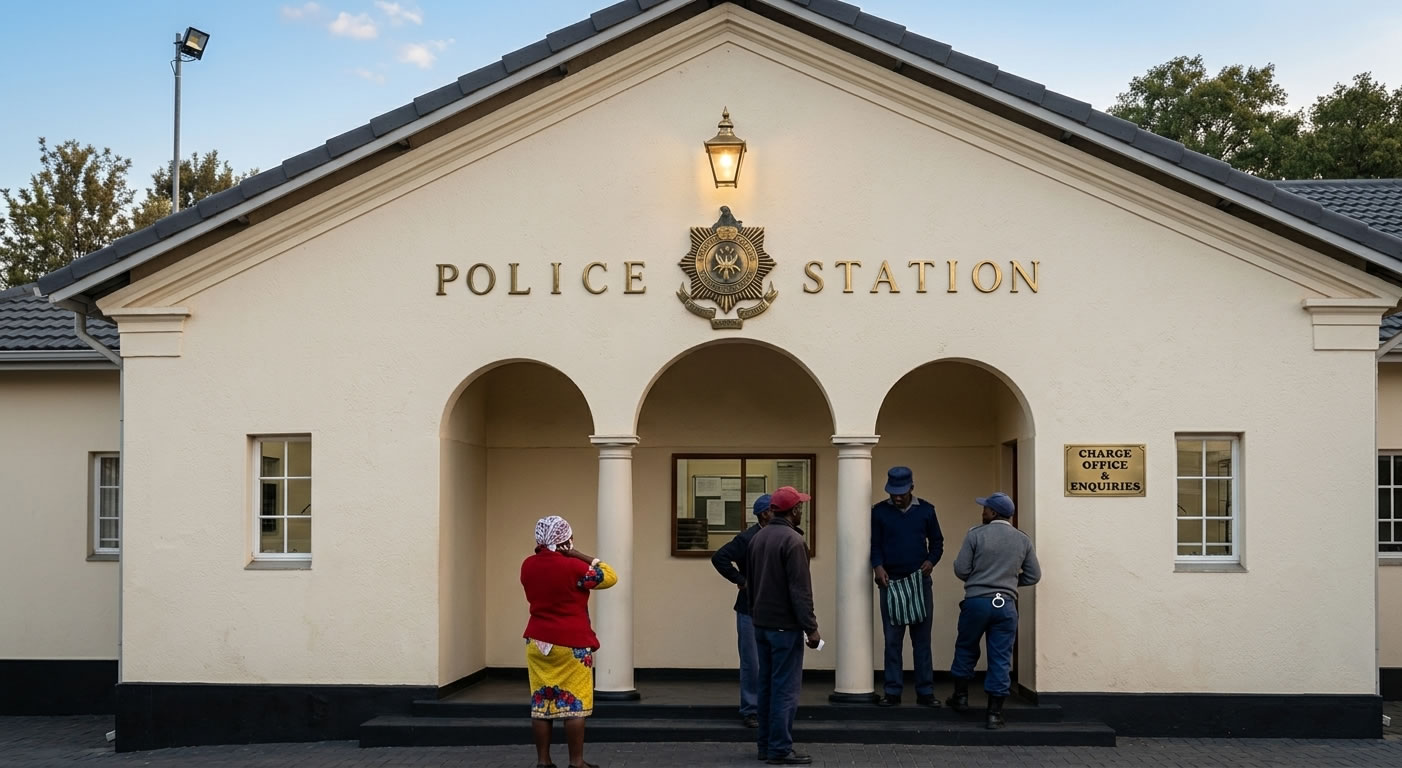
The following day, August 3, at about 12.40pm, Jasi went to the Zimbabwe Republic Police Highlands station. He told officers that he had come to follow up on reports he claimed to have filed earlier. The visit brought the case to light when Assistant Inspector Teredzerai Shonhai became suspicious of the sack Jasi was carrying.
Shonhai questioned Jasi about what was inside. Jasi then confessed that the sack contained human remains, leading to his immediate arrest. The remains taken from Mermaid Pool Cemetery became the central evidence in a case that began with a private belief about jewellery and ended with a criminal conviction and a custodial sentence.
The six-month sentence places the Goromonzi case among a series of disturbing incidents in which graves have been interfered with for money, ritual purposes, personal disputes or reasons connected to burial space. Although the circumstances differ, each case has left families facing the same painful discovery: that a place intended to protect the dead has been entered, disturbed or used for another purpose.
The investigation centred on claims that old graves were cleared to make room for new burials and that the spaces were then sold again to bereaved families. Police said skeletal remains and traditional artefacts found during the digging were put into empty cement bags and thrown into a trench at a dam next to the cemetery.
The arrested cemetery owner was identified as Edwin Muronzi. The three grave diggers arrested with him were named as Tinashe Chiguma, 32, Moses Gwanya, 19, and Kudakwashe Humure, 31. Police also said that three other people, identified only as Kevy, Shumba and Dread, were wanted in connection with the investigation.
At the time, Zimbabwe Republic Police national spokesperson Commissioner Paul Nyathi confirmed the arrests and described the matter as a massive violation of graves and corpses. “The ZRP confirms the arrest of Edwin Muronzi, Tinashe Chiguma (32), Moses Gwanya (19) and Kudakwashe Humure (31) in connection with massive violation of approximately 380 graves and corpses at Restland Memorial Park, Rainham, Harare, between 2015 and 2024,” he said.
According to the police account, the grave diggers were paid between US$15 and US$20 for each grave they cleared. The work was allegedly carried out to prepare the spaces for fresh burials, with new customers unaware that the graves had already been used.
The discovery was reportedly preceded by a report from one of the grave diggers, who told police that he had been experiencing visions of dead people asking about the whereabouts of their relatives. Police said his account implicated his employer and led investigators to examine what had happened at the cemetery.
Nyathi said the gravediggers had been instructed to dig graves to pave the way for new burials. “In the process, the workmen would come across human skeletal remains and traditional artefacts, which they would pack in empty cement bags before disposing of them in a trench of a dam adjacent to the cemetery,” he said.
The police spokesperson added: “They would also dispose of the traditional artefacts buried with the bodies. Muronzi and his team would then resell the graves to new clients to bury their late relatives without suspecting anything after cleaning and rearranging the used graves.”
A team from the police Forensic Science department was assigned to identify the graves that had been tampered with. The investigation was also intended to establish which remains had been removed and dumped. That process underlined the scale of the Harare allegations: unlike the Goromonzi case, where one grave and a clearly identified set of remains formed the basis of the prosecution, the cemetery inquiry involved a large number of burial sites and the possibility that many families had been affected without knowing it.
The two cases also show how grave violations can be exposed in very different ways. In Juru, the arrest followed Jasi’s decision to carry a sack of human remains into a police station. In Harare, the reported cemetery scheme came under scrutiny after information from a person connected to the digging led police to the burial ground and the dam trench.
Jasi’s actions were discovered within a day of the exhumation. The court was told where the grave was located, who was buried there, what had been removed and how the remains were transported to Harare. The details of the green skirt and black petticoat, alongside the specific bones listed in court, gave the case a grim clarity.
For Dipazhi’s family, the passage of 24 years between her burial and the disturbance of her grave did not prevent the violation from being detected. The cemetery remained the place where her remains had been entrusted to the ground. Jasi’s decision to return to it, armed with a hoe and guided by his belief about the rings, turned a family grave into the scene of a crime.
The court proceedings also traced the journey from Chipunza Farm to Mermaid Pool Cemetery and then to the Highlands police station. It was a short chain of events, but one that involved a deliberate visit to a burial place, the removal of human remains and an attempt to carry those remains across the city.
The most immediate facts in the Goromonzi case remain stark. Rosina Dipazhi was buried in 2002. On August 2, her grave was opened. Her skull, ribs, tibia and fibula were removed, along with a green skirt and black petticoat. The items were placed in a sack and taken to Harare. On August 3, the sack was questioned at Highlands police station, and the man carrying it admitted what it contained.
By the time Jasi stood before the magistrate, the search for the rings had become a case of grave disturbance and desecration. The sentence brought a formal end to the prosecution, but the details of the incident will remain tied to the cemetery where Dipazhi was buried and to the police station where the contents of the sack were revealed.