


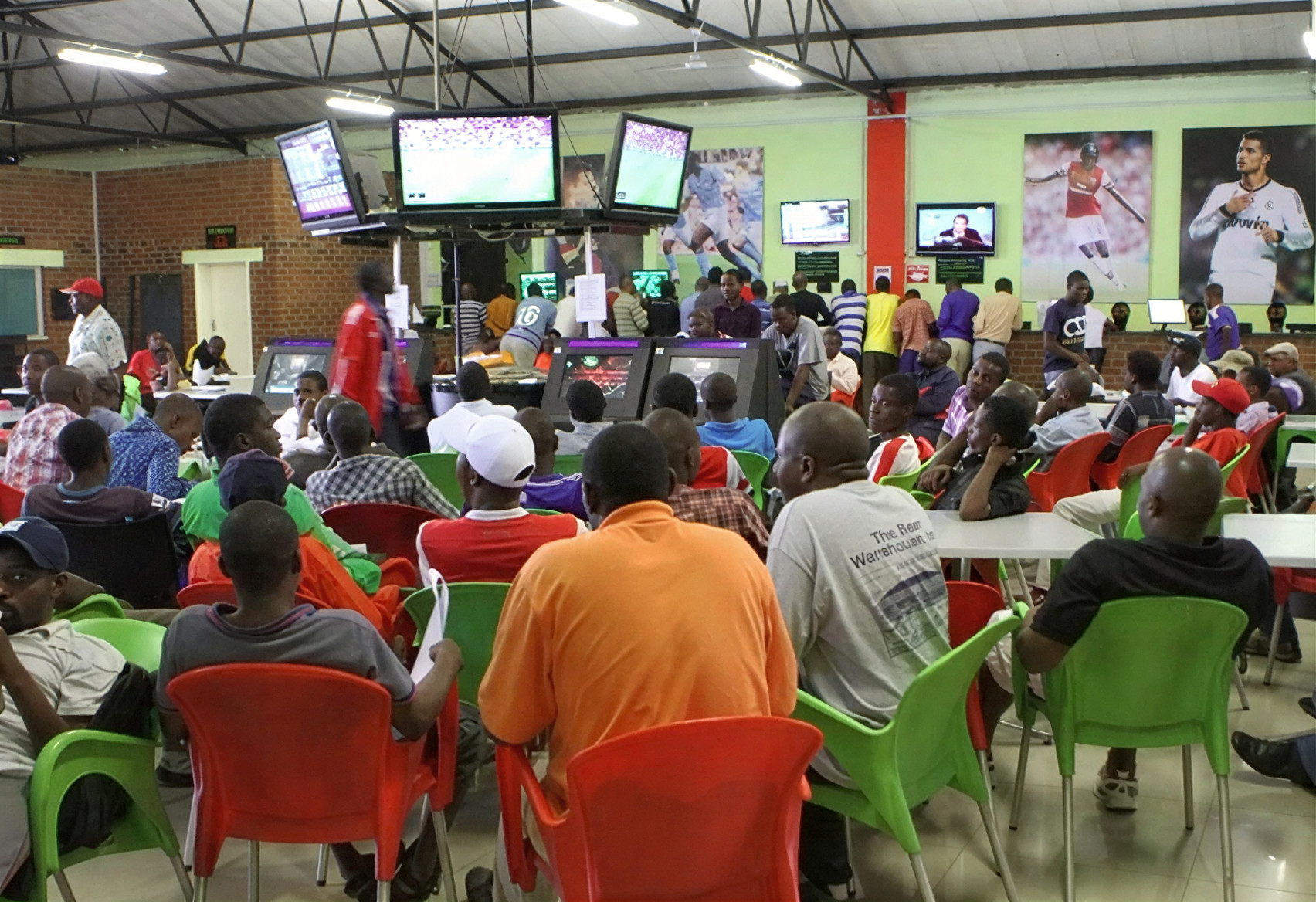
The sports betting industry in Zimbabwe has grown steadily over the past decade. It has been shaped by economic pressures, rapid mobile adoption, and strong interest in sport with an emphasis on football. For many bettors, sports betting in Zimbabwe is an exciting new opportunity. However, there are still limitations and constraints as the market is shaped by the economy, accessibility and of course, the sports available. This article takes a look at what has helped shape the Zimbabwe sports betting market in recent years.
Football is number one
At the core of Zimbabwe’s betting market is football. It’s the most popular sport in the country, and typically dominates all areas from watching to betting. Domestic leagues attract a lot of attention such as CAF, but international competitions such as the English Premier League, UEFA tournaments and major international fixtures, draw even more, and typically dominate all betting activity. This is largely due to extensive media coverage and the familiarity with overseas teams and players, especially if local players are playing abroad. Basketball, tennis, rugby and cricket also feature, though to a lesser extent. Betting is often tied to major global events rather than regular domestic play and subsequently fluctuates throughout the year. As such, betting interest tends to spike around high-profile matches, reflecting a market that is event-driven rather than volume-driven.
Regulations in the country
Regulation plays a central role in shaping how the market operates too. Sports betting in Zimbabwe is legal, but operators must be licensed and regulated under national gambling laws. It’s important to note that compliance requirements, taxation and foreign currency controls influence which operators can function sustainably, which can sometimes be limiting for those looking to play. As a result, the market is relatively concentrated, with a small number of licensed bookmakers operating retail shops, online platforms or a hybrid of both. This controlled environment has limited over-saturation but also reduced competition compared to larger betting jurisdictions.
Playing as work
Economic conditions significantly influence consumer behaviour. Zimbabwe has high unemployment rates, suffers from inflationary pressures and currency instability, all of which means that average staking levels are generally low. Many bettors place small, frequent wagers rather than large single bets, often focusing on accumulator-style bets with low entry costs. This behaviour reflects risk sensitivity and disposable income constraints. Betting, for many users, is framed as entertainment with a potential upside rather than a primary income strategy.
Getting access
It’s worth pointing out here that mobile technology has been the single most important driver of market growth in the country. Smartphone penetration has increased steadily. This has enabled betting operators to reach customers beyond their typical urban retail locations. Mobile-first platforms dominate, offering simplified interfaces designed for low data usage and intermittent connectivity. Not only that, but mobile phones are cheaper, and connectivity costs are low, enabling players better access.
The payment infrastructure is closely tied to this mobile ecosystem. Traditional banking channels are less accessible for large portions of the population, so integration with mobile wallets has become essential. Deposits and withdrawals are typically small and frequent, reinforcing the low-stakes nature of the market. Delays or friction in payment processing can strongly affect user trust, making reliability a more important competitive factor than promotional incentives.
Playing responsibly
Responsible gambling is an increasingly important topic wherever betting is taking place. Given economic vulnerability, regulators and operators face pressure to ensure betting remains controlled and transparent. While formal support systems are less developed than in some other markets, there is growing awareness around the need for consumer protection, clearer terms and limits on participation. Long-term sustainability of the market depends heavily on maintaining public trust and avoiding social harm.
In summary, the sports betting market in Zimbabwe reflects adaptation rather than excessive gambling. It is shaped by a strong interest in global sport, constrained by economic conditions, and enabled by mobile technology. Understanding this balance is essential for anyone seeking to assess how the market functions today and how it may evolve in the years ahead.