


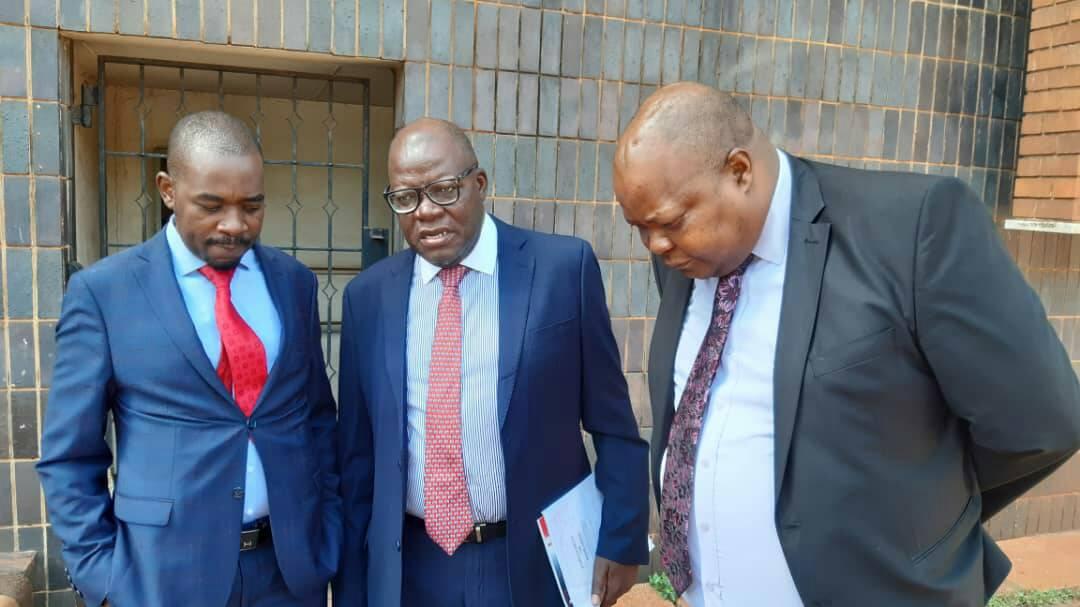
In a significant development for Zimbabwe’s political landscape, estranged opposition leaders reunited on Friday night, sharing a platform and a unified message: to dislodge Zanu PF from power. The gathering, the first of its kind in over a decade, signals a potential shift in the opposition’s strategy and a renewed commitment to challenging the ruling party.
The convergence took place at Sapes Trust in Harare, at the book launch of “Footprints in the Chains,” a biography chronicling the life of Job Sikhala, a prominent opposition figure. The book, written by Munyaradzi Angelo Savanhu, details Sikhala’s tumultuous political career, marked by numerous arrests, instances of torture, and over 70 detentions.
Among those present were Nelson Chamisa, the former president of the Citizens Coalition for Change party, his former vice president Job Sikhala, Tendai Biti, Charlton Hwende, Munyaradzi Gwisai, Daniel Molokele, Zenzo Nkomo, and other key figures from Zimbabwe’s opposition movement.
Speaker after speaker passionately emphasised the urgent need for Zimbabweans, led by a united opposition, to bring an end to what they described as “the prevailing injustice, corruption, and dictatorship” plaguing the nation.
“I know that political views and opinions differ and that is why we are there,” the former youth leader of the original Movement for Democratic Change (MDC) said. “We are there because we must have different opinions to celebrate because that is what we have been fighting for.”
“I know Job Sikhala as a courageous man who is passionate about freedom. I know Job as a man, who is pushed and moved by controversy. Today I have come to support this initiative to push for freedom.”
Sikhala himself hailed the convergence of opposition leaders as a harbinger of positive change. He noted that Zanu PF had thrived on the divisions within the opposition, and that any reconciliation and unity among them would “shake them to the core.”
“This is the only event that has brought founder members of the democratic struggle under one roof,” Sikhaka said. “The difference between us is smaller than the national interest that we carry and must achieve. In whatever we do we must know that we are united under one goal – to see the removal of an evil regime and oligarch that think they own Zimbabwe. Never say never. Those that have a history together will remain focused on the bigger picture, no matter the setbacks.”
Jacob Ngarivhume, another frequently arrested political activist who shared prison cells with Sikhala at Chikurubi Maximum Prison, recounted the dire prison conditions they endured, but affirmed that their resolve to fight for a better Zimbabwe had only been strengthened.
“We made a conviction and swore to each other that we will continue to fight until Zimbabwe is a better place to live,” Ngarivhume said.
Munyaradzi Gwisai stressed the importance of the current generation of political leaders recognising their purpose: to liberate Zimbabwe.
“I want to say to Job that with those 70 arrests that he has endured he must see the fulfillment of his efforts,” Gwisai said. “We must dedicate ourselves to ensure that these ‘footprints and chains’ cannot be for nothing. It must be our generation and the generation of the young people that must break the chains to ensure full and final liberation of this country. Zimbabwe shall be free and Zvigananda shall be defeated.”
The reunion of these key opposition figures marks a potentially pivotal moment in Zimbabwe’s political landscape. Whether this newfound unity will translate into a formidable challenge to Zanu PF’s long-standing grip on power remains to be seen, but the event has undoubtedly injected a renewed sense of hope and determination into the opposition movement and its supporters.