


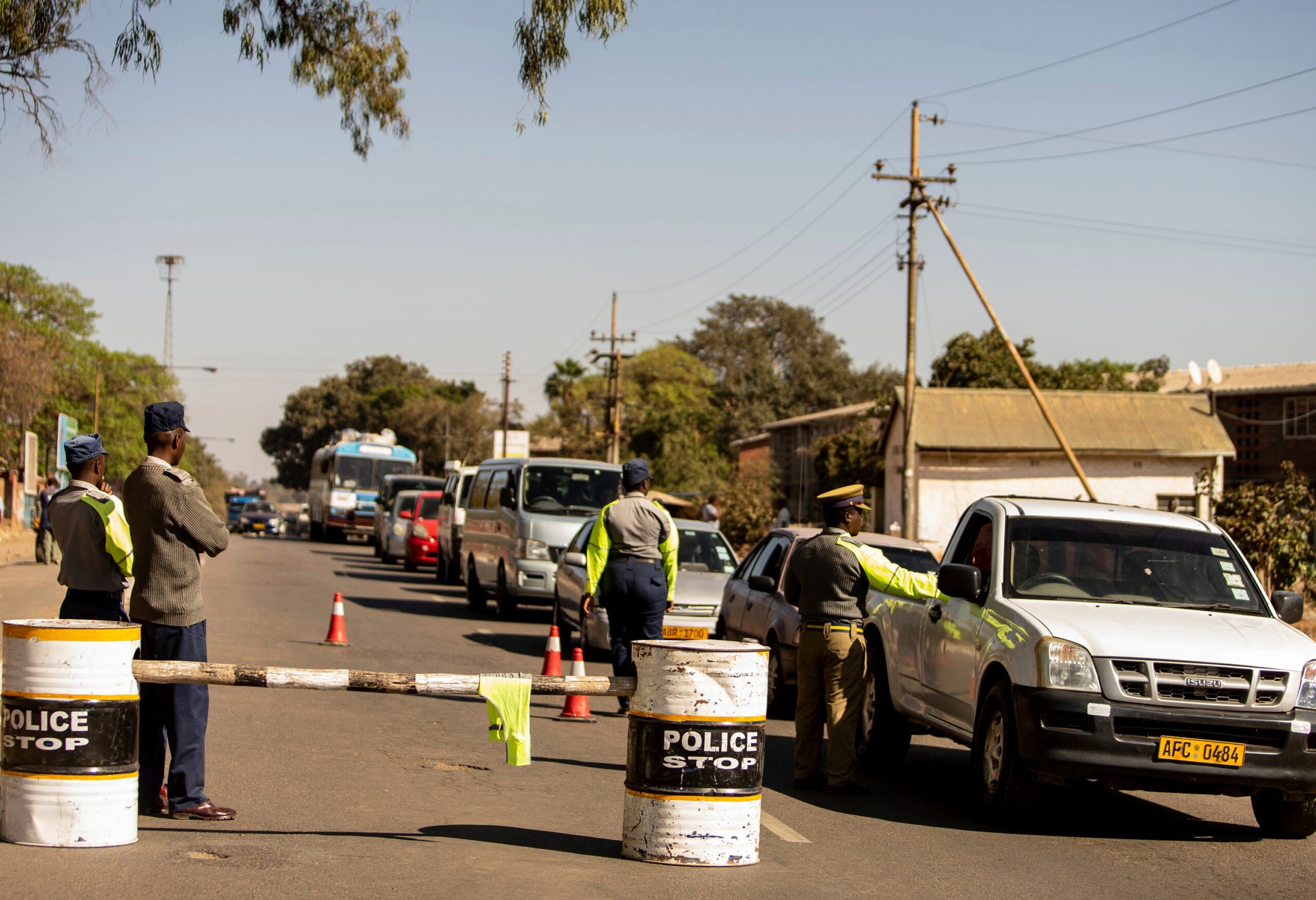
A controversial new law, the Broadcasting Services Amendment Act of 2025, has come into effect in Zimbabwe, compelling motorists to obtain a Zimbabwe Broadcasting Corporation (ZBC) radio licence before they can renew their vehicle licences or insurance. This has sparked widespread condemnation, with critics labelling the Act as an unfair tax that will further burden financially struggling citizens.
The implementation of the Act, overseen by the Zimbabwe National Road Authority (ZINARA), is based on Clause 15, which mandates that all vehicle owners must possess a valid ZBC radio licence to renew their ZINARA vehicle licence and insurance. This effectively forces drivers to pay US$30 per term to access ZBC radio services, regardless of whether they actually listen to the radio.
ZINARA’s Revenue Operations Director, Mr P.M. Shuro, issued a memorandum dated 15 July 2025, providing strict instructions to all licensing centre staff nationwide. The directive is unambiguous: no motorist will be allowed to renew their vehicle licence without presenting a valid ZBC radio licence or a certificate of exemption.
The memorandum states: “In line with the enacted Broadcasting Services Amendment Act, all motorists are required to obtain a ZBC radio license before they can renew their vehicle insurance or acquire a ZINARA vehicle licence disc.”
For vehicle owners, this translates to an additional cost of at least US$90 per year simply to keep their vehicles roadworthy. Many fear that this hefty sum will force them to disable their car radios or seek exemption certificates to avoid the added expense.
ZINARA has placed the responsibility on motorists to obtain exemption certificates themselves by visiting ZBC licensing offices across the country.
Mr Shuro’s statement continues: “Customers whose vehicles are not equipped with a radio receiver are now required to obtain an exemption certificate from the ZBC. They will need to personally visit any ZBC Licensing Office to complete the necessary declaration form and obtain this exemption. We cannot process their ZINARA disc or insurance renewal until they present a valid exemption certificate.”
The Broadcasting Services Amendment Act has been a contentious issue since its inception. Public hearings last year generated significant opposition, and the controversy has persisted even after President Emmerson Mnangagwa signed the bill into law in March this year.
Media freedom advocates, including the Media Institute of Southern Africa (MISA) and its partners, such as the Media Alliance of Zimbabwe (MAZ), unsuccessfully lobbied Information Minister Jenfan Muswere to withdraw the bill before it was enacted, urging him to consider public feedback.
The primary point of contention centres on Clause 15, which critics and analysts argue is discriminatory. They point out that it singles out motorists while allowing all citizens to access ZBC radio services through digital devices like mobile phones without incurring this additional charge.
Former opposition leader Nelson Chamisa has launched a scathing attack on the newly enacted Broadcasting Services Amendment Act (No. 2 of 2025), describing the law as “draconian, anti-citizen, and outrightly heartless.”
Chamisa, the former leader of the Citizens Coalition for Change (CCC), criticised the new regulation as yet another burden on already struggling Zimbabweans, who are also required to pay ZINARA fees, toll gate charges, and mandatory vehicle insurance.
Chamisa wrote on X, formerly called Twitter: “SO, A PERSON WHO OWNS A CAR PAYS ZINARA, ZBC, INSURANCE AND TOLL GATE, HOW ARE PEOPLE SUPPOSED TO SURVIVE? WHEN SHALL ALL THIS END?”
He has accused the government of deliberately impoverishing the population through excessive taxation and questioned the rationale behind paying for services that many citizens neither use nor benefit from.
Chamisa said: “WHY MUST I PAY FOR A SERVICE I DON’T USE? WHY SHOULD I PAY FOR PARTISAN PROPAGANDA, WHERE I AM ATTACKED IN PERSON AND DEMONIZED FROM DAWN TO DUSK?”
Chamisa has also raised concerns about democratic oversight, questioning the role of Zimbabwe’s Parliament in approving legislation that he believes undermines the interests of ordinary citizens.
He said: “DO WE HAVE A PARLIAMENT IN ZIMBABWE? WHICH OTHER COUNTRY DOES THIS TO HER CITIZENS? IS THIS NOT NAKED PROVOCATION? IS ZIMBABWE NOT A CRIME SCENE?”
The cost of a private car radio licence is US$23 per quarter or US$92 per year. If the vehicle belongs to a company, the fee is US$50 per quarter or US$200 per year.
The implementation of this Act has raised serious questions about fairness, equity, and the government’s commitment to easing the financial strain on its citizens.