


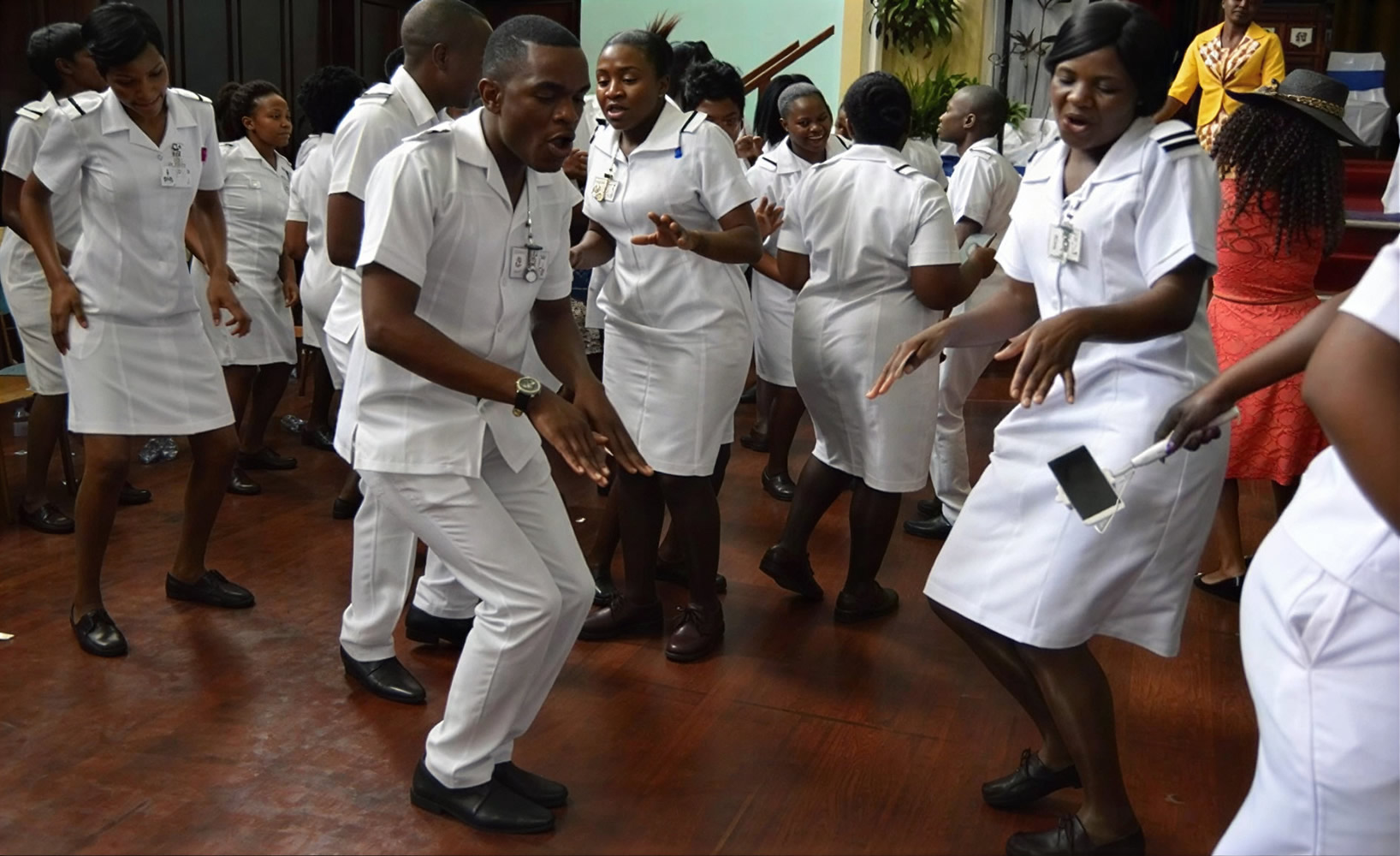
HARARE – In a significant move to bolster the nation’s healthcare system, the Zimbabwean government has announced a major initiative to create 32,000 new jobs for nurses and doctors by 2030. This ambitious plan follows the recruitment of over 5,000 health workers last year and aims to double the national healthcare workforce, addressing critical staffing shortages and improving healthcare delivery across the country.
For years, Zimbabwe’s health sector has operated under severe staffing shortages, with nurses and doctors stretched thin, particularly in rural communities. Official assessments show the system is functioning at just 47.5 per cent of optimal capacity, largely due to sustained outward migration.
Nearly one in five doctors trained in Zimbabwe is now working abroad, while about 7,550 nurses, representing 35 per cent of the nursing workforce, are employed outside the country. The 2022 Health Labour Market Analysis further shows Zimbabwe has just over 22 health workers per 10,000 people, far below the global benchmark of 44 per 10,000.
Dr Aspect Maunganidze, Permanent Secretary for Health and Child Care, explained the strategic importance of this expansion in an interview with The Sunday Mail. He emphasised that the recruitment drive signifies a deliberate shift towards building a resilient, self-sustaining health system funded and driven largely by domestic resources. This move is particularly crucial at a time when international funding, especially from Western partners, is shrinking.
“Donor funding is declining globally and this reality informed our planning,” he said. “Guided by the outcomes of the Health Financing Dialogue, we were able to mobilise local resources through institutions such as the National AIDS Council.”
Dr Maunganidze added, “This ensured that people on antiretroviral therapy, as well as those requiring malaria and TB treatment, continued to receive uninterrupted care using domestic funding.”
The government has also forged new partnerships with local private sector players, positioning the country among the more organised in the region in securing essential resources for its healthcare needs.
President Mnangagwa is spearheading a revolution in the health sector that has seen challenges being comprehensively addressed to improve the country’s health delivery system and other essential social services. At the direction of the President, Government has been equipping health institutions with modern machinery, improving the state of buildings and addressing conditions of service for health workers.
The President made an impromptu visit to Parirenyatwa Group of Hospitals, Sally Mugabe Hospital and the National Pharmaceutical Company last year to have an appreciation of challenges the institutions are facing. He is on record saying the Second Republic will continue to modernise the health sector through investment in advanced equipment and infrastructure to guarantee timely emergency care for everyone.
According to the Health Service Commission (HSC), this growth could stimulate more than 100,000 jobs across related services and supply chains, from pharmaceuticals and transport to equipment maintenance and catering.
Treasury has played a critical role in supporting this initiative. “Treasury has played a critical role. It concurred with the additional costs associated with expanding the workforce. In 2025 alone, Treasury availed 5,284 posts across various cadres, including nurses, pharmacists and doctors. This was a significant achievement,” said Dr Maunganidze.
Dr Maunganidze said reversing this trend required long-term planning and structural reform, anchored under the Human Resources for Health Investment Compact signed in October 2024.
“Zimbabwe has experienced high attrition rates, largely because our health professionals are highly sought after globally,” he said. “They are well trained, particularly in practical competencies, which makes them competitive internationally. In response, we have focused on strengthening and increasing the production of health workers.”
“In October 2024, we signed the Human Resources for Health Investment Compact. This compact is designed to significantly boost production, with our overall goal being to double the health workforce by 2030.”
A key component of this strategy is decentralised training, particularly for nurses, designed to keep skills rooted in communities. The government has established more than five new nurse training schools across the country, with almost every province now hosting, or preparing to establish, its own institution.
Recruitment into nurse training has also been devolved to provinces and health institutions, an approach authorities believe will encourage graduates to serve where they grew up.
“We have also devolved recruitment for nurse training. Provinces and institutions now have a greater say in who is being trained,” said Dr Maunganidze. “We are aware that people are more likely to serve in the communities where they grew up and this approach strengthens devolution while improving retention.”
Under the national strategy, annual training output is expected to rise from 3,334 health workers in 2022 to at least 7,000 by 2030. The government is also working to professionalise and integrate community health workers into the mainstream system, recognising their critical role as the first point of contact for many families.
This aggressive recruitment and training drive comes at a time when donor funding is declining, placing pressure on critical programmes covering HIV, tuberculosis, malaria and maternal and child health.
The plan is ambitious and people-focused. By 2030, Government aims to have doubled the current health workforce, creating and sustaining at least 32,000 additional public health jobs, a move expected not only to strengthen hospitals and clinics, but also to inject life into local economies.