


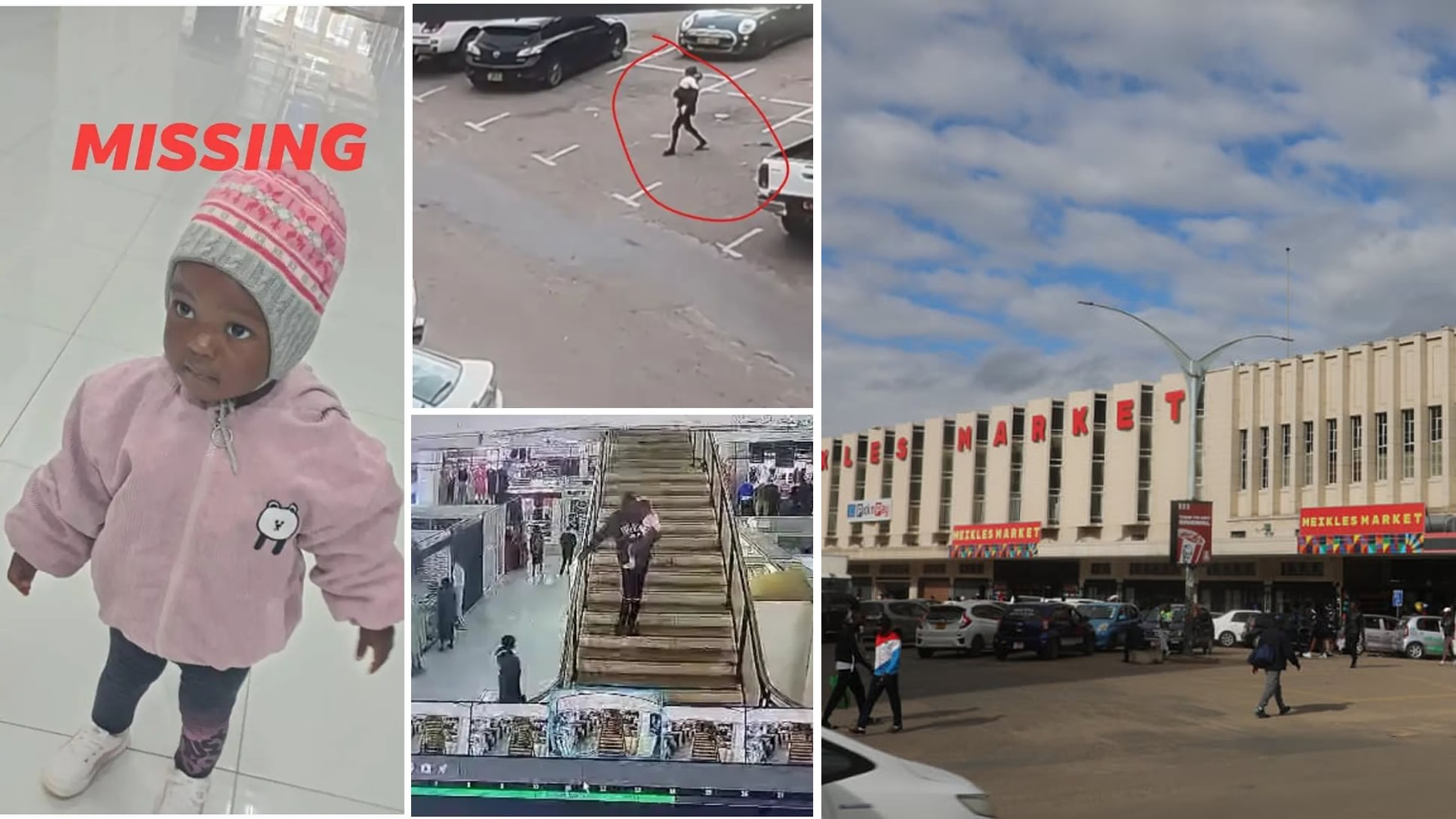
BULAWaYO – The recent abduction of a two-year-old toddler from a bustling Bulawayo shopping centre by a 14-year-old girl has gripped the nation, prompting a chilling question: was this an isolated act by a troubled teenager, or does it hint at the sinister workings of a larger, more organised child-kidnapping syndicate operating within Zimbabwe’s urban hubs? While the child was thankfully found safe, the age of the perpetrator has cast a long shadow, forcing an uncomfortable examination of how minors might be exploited in a new, disturbing trend of crime.
Our investigative team delves into the murky world of child abductions in Zimbabwe, seeking to uncover the hidden ‘handlers’ who may be manipulating young individuals to commit crimes that adults can no longer execute with impunity. This incident, unfolding in broad daylight, has laid bare critical vulnerabilities in public safety and raised urgent concerns for every Zimbabwean parent.
A Mother’s Ordeal and a Nation’s Relief
The terrifying events began on Tuesday, 17 February 2026, at Meikles Market in Bulawayo’s central business district. Nesisa Mpofu, a trader at the mall, was going about her day when her two-year-old daughter, Asanda Ndlovu, was snatched. The initial hours were fraught with despair, as police launched a search for the missing toddler.
The community rallied, with social media platforms becoming a crucial conduit for information and appeals for help. The widespread concern underscored the deep-seated fear of child abduction that resonates across the country.
Speaking after her daughter’s safe return, a visibly emotional Nesisa Mpofu expressed her gratitude. “I couldn’t believe it when they told me my child had been found. I thought perhaps they had made a mistake. I was overjoyed to see that it was truly her because I had begun to lose hope after two days without my daughter,” she recounted. She further extended her thanks, stating, “I want to thank the police for finding my child. I also want to thank the people of Zimbabwe for your prayers and assistance. My daughter was found in good health, and there is nothing wrong with her”.
The Unsettling Confession of a Form One Pupil
The initial police investigation, based on grainy CCTV footage, had led authorities to believe they were searching for a male suspect in a hoodie. However, the truth that emerged was far more complex and disturbing. The alleged kidnapper was revealed to be a 14-year-old female Form One pupil, whose identity cannot be disclosed for legal reasons due to her minor status. Paraded before reporters with her face obscured, the teenager delivered a startling confession that unravelled the motive behind the abduction.
She admitted to staging the kidnapping to deceive her 36-year-old boyfriend, identified only as Mumba, into believing she had a child. “Mumba asked me if I have a child and I said yes. So he asked me to bring the baby. That’s when I went to Meikles,” the girl stated. She described how she approached Ms Mpofu’s stall, feigning interest in purchasing a pillow. “When I got there the baby was crying and I lifted her up. She stopped crying. She is a friendly baby,” she explained, detailing the ease with which she took the child. The teenager clarified that she had not disguised herself, merely pulling a hoodie over her head, which likely contributed to the initial misidentification by police.
During the two days Asanda was missing, the teenager claimed she took the child to Mumba, her sister’s ex-boyfriend, with the intention of returning the baby later. However, she alleged that Mumba instructed her to remain at his residence in Trenance until Thursday morning, when she returned to the city centre with the child. The toddler was reportedly fed a diet of rice, hot chips, and corn puff snacks during this period. The girl concluded her confession with an apology, saying, “I’m really sorry. I made a mistake. I’m asking for forgiveness”. She is now expected to appear before a juvenile court, where the legal framework for minors will apply, differing significantly from that for adult offenders.
Security Gaps and the ‘Snatch-and-Grab’ Theory
The swift return of Asanda, just hours after her abduction, has sparked intense speculation and given rise to a chilling theory within local security circles: the possibility of a ‘snatch-and-grab’ syndicate at play. This theory posits that such groups may not always intend long-term abduction or trafficking. Instead, they might be testing the response times and capabilities of both private security firms and the Zimbabwe Republic Police (ZRP). A quick abduction followed by an equally swift release, particularly if the child is unharmed, could serve as a reconnaissance mission, designed to identify vulnerabilities in security systems and assess the efficiency of law enforcement. This unsettling prospect suggests that Asanda’s fortunate return could inadvertently mask a much larger, unresolved threat to child safety in public spaces.
The incident at Meikles Mall has starkly exposed significant security vulnerabilities within urban shopping centres. The initial difficulty in identifying the perpetrator from grainy CCTV footage, coupled with what some have termed ‘missing minutes’ in surveillance, highlights an urgent need for upgrades in technology and protocols. The reliance on private security technicians, rather than immediate police action, for the crucial breakthrough in locating Asanda further underscores potential gaps in the coordinated response mechanisms between private entities and law enforcement. In response, Meikles Market administrators have pledged to implement measures to strengthen safety protocols and prevent similar incidents from occurring again.
The Broader Shadow of Child Trafficking
This isolated incident, while seemingly resolved, cannot be viewed in isolation. It resonates with a terrifying reality of child safety in Zimbabwe, where the spectre of child trafficking looms large. The 2025 Trafficking in Persons Report by the US State Department indicates that Zimbabwe does not fully meet the minimum standards for the elimination of trafficking. The report highlights the exploitation of Zimbabwean adults and children in sex trafficking and forced labour, including in cattle herding, domestic service, and mining.
Recent incidents further underscore the pervasive nature of this crime. In January 2026, the Border Management Authority (BMA) in South Africa intercepted 33 undocumented minor children, aged between 4 and 15, at the Beitbridge Port of Entry. While these interceptions were initially linked to high travel costs rather than direct trafficking, the broader context of vulnerability remains a grave concern. Globally, Interpol’s Operation Liberterra III, conducted between 10 and 21 November 2025 across 119 countries, resulted in the arrest of 3,744 suspects, including over 1,800 for human trafficking and migrant smuggling. This operation safeguarded 4,400 potential trafficking victims and identified more than 12,000 irregular migrants. Mozambique, a neighbouring country, has also seen a concerning rise in child abductions, with over 120 children abducted in its northernmost province since the start of 2025. These regional and international trends paint a grim picture, suggesting that the ease with which Asanda was taken from a public mall, even if returned, serves as a stark reminder of how easily children can become targets for exploitation.
Minors as ‘Perfect Recruits’ for Criminal Rings
The involvement of a 14-year-old in such a serious crime raises profound questions about the ‘social breakdown’ that might lead a minor to commit such an act. The methods employed by the teenager, described by sources as “surprisingly professional,” suggest potential training or ‘coaching’ by older criminals. This leads to the disturbing conclusion that children may be seen as ‘perfect recruits’ for kidnapping rings due to their legal status. Because they are minors, they cannot be prosecuted in the same way an adult would, often facing less severe penalties and being processed through juvenile courts. This legal reality creates a dangerous loophole that sophisticated syndicates could exploit, using young individuals as expendable pawns in their illicit operations.
The psychological and social factors that push a child into such a situation are complex. Poverty, lack of educational opportunities, and exposure to criminal elements can all contribute to a minor becoming susceptible to manipulation. The case of the Bulawayo abductor highlights the urgent need for societal interventions that protect vulnerable youth from falling prey to criminal exploitation.
A Call for Vigilance and Enhanced Security
The Bulawayo abduction case, with its unsettling details and broader implications, serves as a critical wake-up call for Zimbabwe. It underscores the necessity for enhanced security measures in public spaces, particularly in malls and other areas frequented by families. This includes upgrading CCTV systems, improving coordination between private security and law enforcement, and implementing more robust protocols for monitoring and responding to suspicious activities.
Beyond physical security, there is an urgent need for increased public awareness regarding the tactics employed by child abductors and traffickers. Parents, guardians, and community members must remain vigilant, reporting any suspicious behaviour to the authorities. The role of social media, while sometimes prone to misinformation, proved instrumental in galvanising public support and disseminating information during Asanda’s disappearance, highlighting its potential as a tool for community safety when used responsibly.
The incident also calls for a deeper societal introspection into the factors that make children vulnerable to exploitation. Addressing issues such as poverty, lack of education, and the breakdown of social structures is crucial in preventing future generations from being drawn into criminal activities. The safety of children is a collective responsibility, demanding a concerted effort from government, law enforcement, communities, and families.
As the 14-year-old abductor faces the juvenile court, the questions surrounding potential syndicate involvement and the broader issue of child trafficking in Zimbabwe remain. This case is a stark reminder that beneath the surface of everyday life, darker forces may be at play, requiring constant vigilance and unwavering commitment to protect the nation’s most vulnerable.