


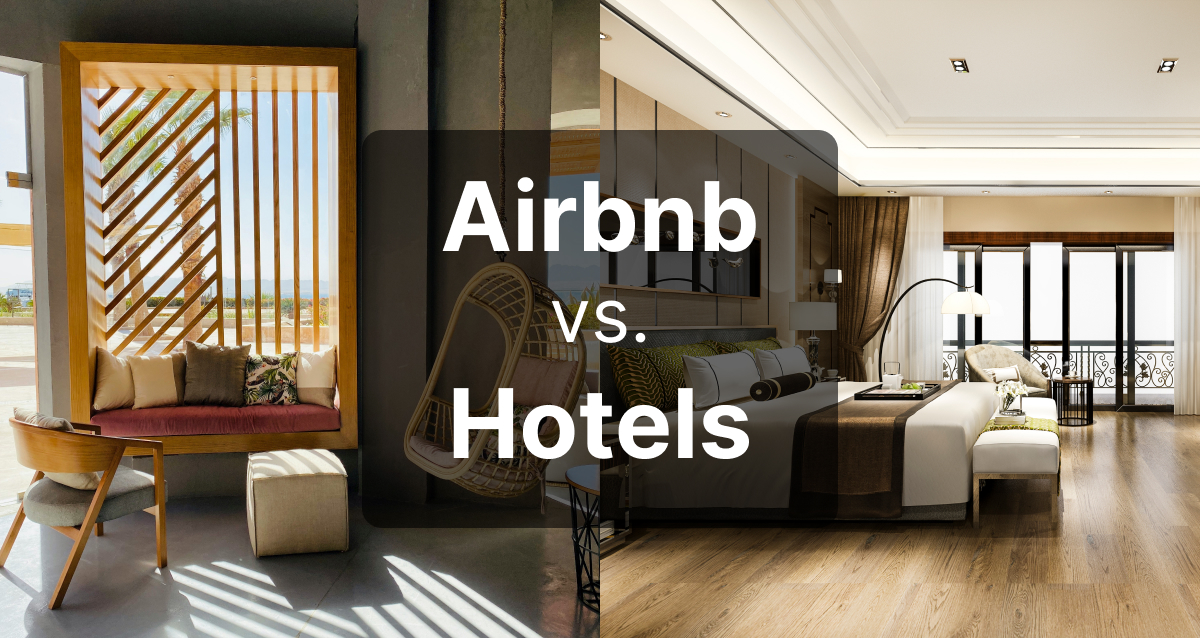
The leafy suburbs of Harare and the sun-drenched vistas of Victoria Falls are currently the front lines of a quiet but fierce battle for the soul of Zimbabwe’s hospitality industry. For years, thousands of Zimbabweans have turned to Airbnb and other short-term rental platforms to survive an economy that has often felt like a roller coaster. These “side-hustles” provided a lifeline, allowing homeowners to earn much-needed foreign currency while offering travellers a cheaper, more flexible alternative to the country’s high-priced hotels. However, a new and uncompromising directive from the Zimbabwe Tourism Authority (ZTA) has brought this era of informal freedom to an abrupt halt.
The ultimatum is clear: every Airbnb host and informal lodge operator must register their property with the ZTA by 28 February 2026. Those who fail to comply by this deadline face immediate closure and potential prosecution. While the government publicly frames this move as a necessary step to ensure “safety and service quality,” a deeper investigation reveals a far more complex and fiscal motive. This is not merely a quest for better bedsheets and fire extinguishers; it is a calculated “tax grab” aimed at capturing the billions of dollars circulating in Zimbabwe’s informal, dollarised economy.
The Fiscal Trap: Why Now?
To understand the timing of this crackdown, one must look at the 2026 National Budget. Effective 1 January 2026, the Zimbabwean government implemented a sweeping 15.5 per cent Value Added Tax (VAT) on tourism services that were previously zero-rated. This includes accommodation, transfers, and visitor activities. By forcing Airbnb owners into a formal registration system, the government is effectively creating a digital map of every foreign currency-earning property in the country.
For years, the informal hospitality sector has flourished under the radar, with payments often made in cash or via international transfers that bypassed the local banking system. The ZTA’s registration drive is the first step in a broader plan to track these earnings. By lowering the VAT registration threshold from US$40,000 to US$25,000, the Treasury has ensured that even modest guest houses will now fall within the tax net. This is a desperate attempt to widen a tax base that has shrunk as more of the economy moved into the shadows.
The “Hotel Lobby” Conspiracy
Behind the scenes, there are persistent whispers of a more sinister influence. Investigative sources suggest that major hotel chains—many of which maintain deep-seated links to the political elite—have been lobbying for this crackdown for years. These established giants, such as African Sun Limited and Meikles Limited (which recently transitioned its flagship Harare property to the Hyatt Regency brand), have watched their occupancy rates underperform as tourists flock to cheaper, more modern home-stays.
Traditional hotels in Zimbabwe are burdened by heavy overheads, including high utility costs and a mountain of regulatory fees. They argue that Airbnbs have enjoyed an unfair competitive advantage by operating without these costs. However, critics suggest that the “level playing field” being sought by the hotel lobby is actually a mechanism to stifle competition and maintain a monopoly over the tourism dollar. In a country where the political and business classes are often one and the same, the speed and ferocity of this registration drive suggest that the interests of the “big players” are finally being served.
A “How-To” Guide for Compliance
For the average homeowner, the prospect of dealing with government bureaucracy is daunting. The ZTA has attempted to soften the blow by streamlining fees and positioning itself as a “one-stop shop” for regulation. If you are an Airbnb owner, here is what the new regulations require of you:
|
Requirement
|
Description
|
|
Statutory Registration
|
Under Section 36 of the Tourism Act, all “designated tourist facilities” must register.
|
|
Annual Licence Fees
|
For guest houses and small lodges (1-3 stars), the fee is approximately US$200 per year.
|
|
Standard Inspections
|
Properties must meet minimum standards for health, safety, and sanitation.
|
|
Tax Compliance
|
Operators must register with ZIMRA (Zimbabwe Revenue Authority) for VAT if they meet the threshold.
|
|
Deadline
|
All documentation must be submitted and approved by 28 February 2026.
|
The government has notably slashed registration fees for larger hotels—capping them at US$20,000, down from a staggering US$250,000—in an effort to encourage investment. However, for the small-scale “side-hustler,” the US$200 annual fee is only the beginning. The real cost lies in the hidden risks of compliance: the requirement to open a formal business account, the potential for retrospective tax audits, and the inevitable “inspections” that many fear will become opportunities for corruption.
The Reality of “Service Quality”
The ZTA maintains that registration is about protecting the tourist. Recent incidents have highlighted the risks of an unregulated sector. In early February 2026, reports emerged of a bedbug outbreak in the Mbare area of Harare, which the authorities were quick to cite as a reason for stricter oversight. Furthermore, the government is sensitive to its international image. When a group of South African tourists recently complained about a police roadblock, the Tourism Minister reportedly drove 300 kilometres to personally resolve the issue.
The ZTA statement, issued under the leadership of CEO George Manyaya, was uncompromising:
“In terms of Section 36 of the Tourism Act (Chapter 14:20), the Zimbabwe Tourism Authority (ZTA) hereby notifies all tourism related businesses that registration with the Zimbabwe Tourism Authority is mandatory and a statutory requirement. Failure to register will result in the closure of unregistered facilities.”
The authority has also warned the public against using unregistered facilities, effectively asking tourists to act as unpaid informants for the state. “The public is strongly discouraged from utilising unregistered tourism facilities and is encouraged to report any facility operating without a valid registration,” the statement continued.
The End of the “Side-Hustle”?
For many Zimbabweans, the “side-hustle” is not a luxury; it is a survival strategy. The income from a spare bedroom often pays for school fees, medical bills, or the maintenance of a family home. By forcing these operations into the light, the government risks killing the goose that lays the golden eggs. If the costs of compliance—both formal and informal—exceed the profits, many owners may simply choose to close their doors, reducing the overall capacity of Zimbabwe’s tourism sector.
There is also the question of the “dollarised economy.” Zimbabwe’s diaspora remittances climbed to a record US$2.45 billion in 2025. Much of this money finds its way into property development and the hospitality sector. By targeting these earnings, the government is essentially trying to tap into a pipeline of foreign currency that has previously remained out of its reach.
The Road Ahead
As the 28 February deadline approaches, a sense of unease prevails. From 1 March, the ZTA, in collaboration with law enforcement agencies, will begin a nationwide “compliance blitz.” Inspectors will move through every province, verifying registration status and shutting down those who have stayed in the shadows.
Is this a necessary step toward a regulated, world-class economy, or is it a heavy-handed state intervention designed to benefit the elite at the expense of the ordinary citizen? The answer likely lies somewhere in between. While standards and safety are important, the timing and the fiscal undertones of this crackdown suggest that the Zimbabwean government is more interested in the “USD” in Airbnb than the “B&B.”
For the hosts who have built their businesses on trust and flexibility, the message is clear: the era of the “hidden” economy is over. Whether the hospitality sector can survive this formalisation—or whether it will simply become another playground for the politically connected—remains to be seen. One thing is certain: after 28 February, the landscape of Zimbabwean tourism will never be the same again.