


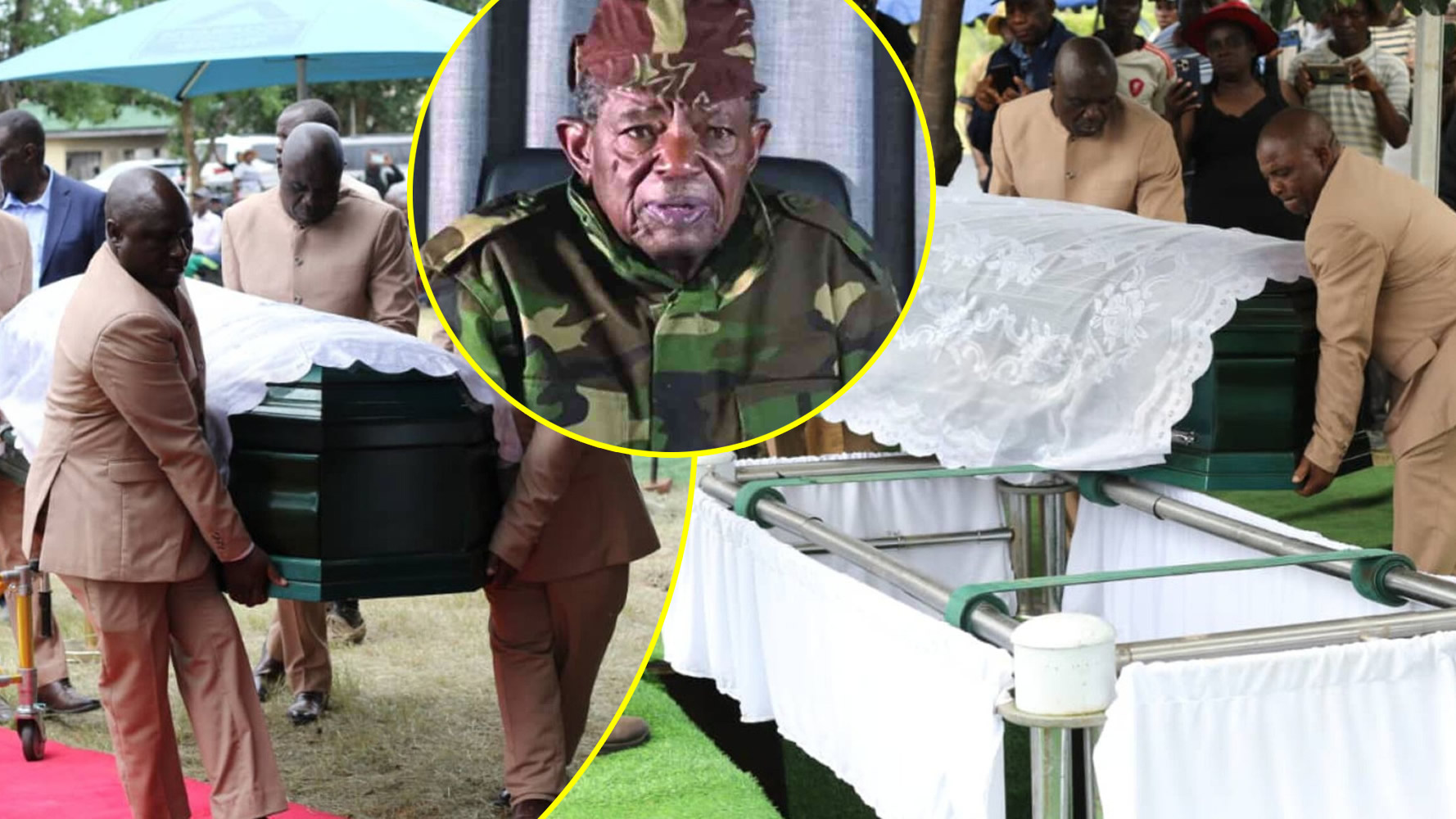
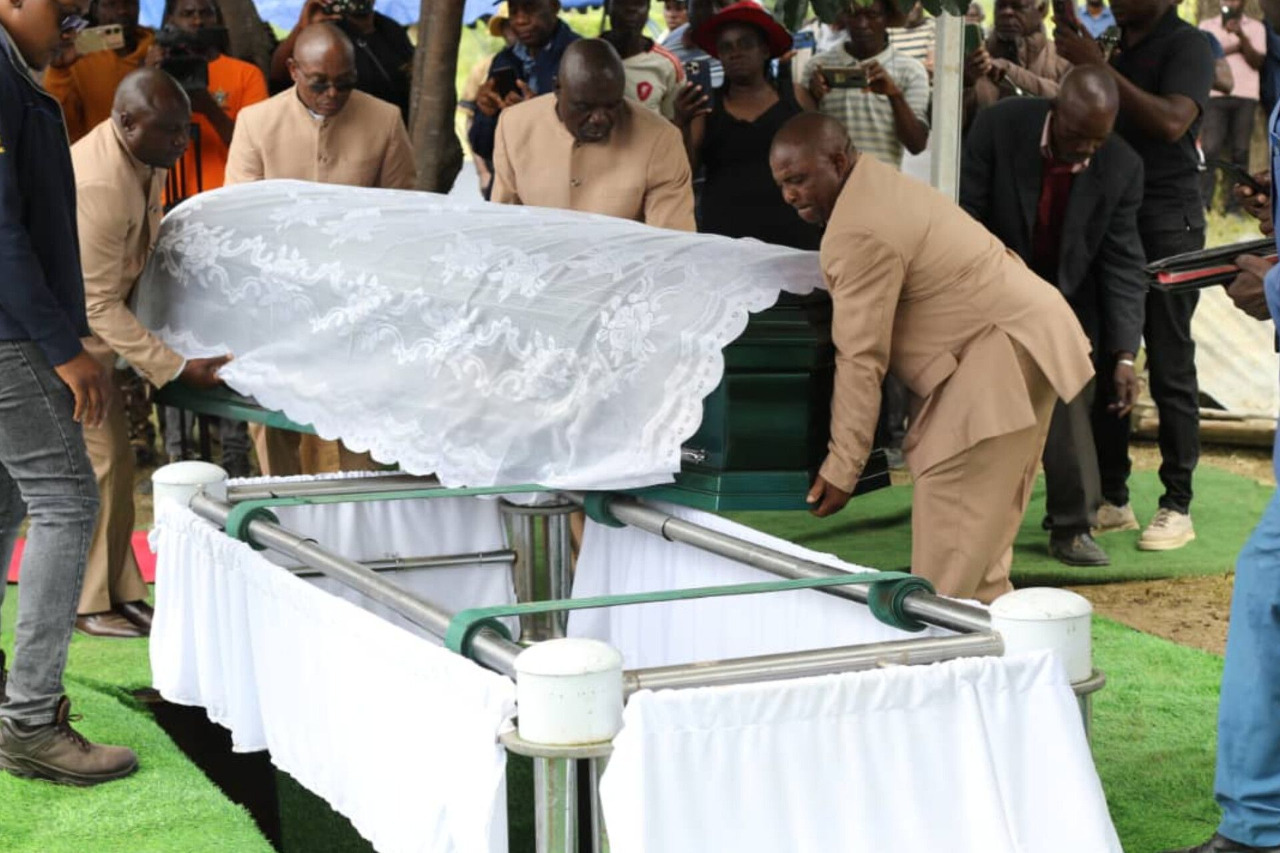
The burial of War Veteran Blessed Geza, a figure once revered within Zimbabwe’s liberation struggle fraternity, was meant to be a solemn occasion, a final farewell to a national hero. Instead, it unfolded as a theatre of tension, whispers, and explosive allegations that have cast a long, dark shadow over the nation’s political landscape. While state media dutifully reported on the routine proceedings, a far more sinister narrative emerged from the fringes: claims of a targeted assassination, not just of Geza, but of the very spirit of dissent within the ruling Zanu PF party.
Geza, known affectionately as “Bombshell” Geza, died in South Africa after a prolonged heart illness. His passing, however, was merely the prelude to a series of events that laid bare the deep fissures within the country’s political elite. The most striking aspect of his burial, held in his rural home of Sanyati, was the conspicuous absence of senior Zanu PF officials. This collective “snub” transformed what should have been a dignified farewell into a stark political statement, highlighting Geza’s fall from grace within the party he had served.
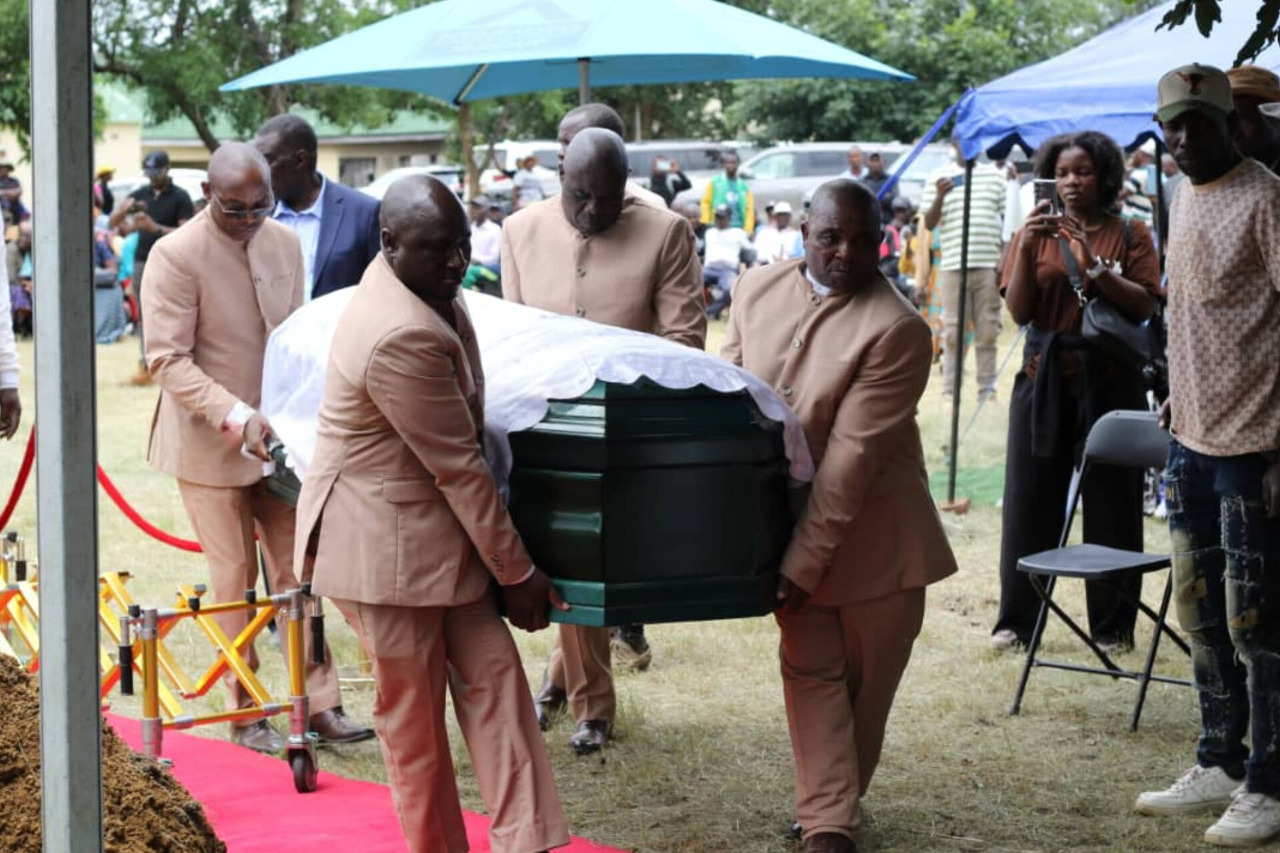
Yet, beneath this public display of abandonment, a more complex reality unfolded. Family spokesperson Five Geza revealed a clandestine network of support that underscored the internal divisions. “We have some in government who we spoke to who consoled us,” he stated, adding, “Today, no one came to the funeral but you saw the road. That may have dissuaded some from coming to the funeral. In short, I can say when we received the message of his death, there were some who assisted us as a family while in Harare.” This quiet assistance from certain government elements, who evidently feared public association with the late veteran, speaks volumes about the climate of fear and suspicion pervading the corridors of power in Zimbabwe.
Geza’s critique of President Emmerson Mnangagwa had been unyielding. He had openly accused Mnangagwa of being unduly influenced by a select group of wealthy businessmen, a charge that ultimately led to his ousting from the ruling party. His outspokenness, a trait once celebrated during the liberation struggle, became his undoing in the new political dispensation.
The low-key burial, a stark contrast to the hero’s send-offs typically accorded to war veterans, served as a poignant symbol of how his dissent had overshadowed his liberation war credentials. Despite this, his family remained resolute, asserting that his legacy as a freedom fighter remained untarnished. “He was a liberation war veteran but the way he lived with some of his comrades is not a secret that in the end they went their separate ways,” Five Geza remarked. “This might have led to us where we are but we as a family had a conversation about it.”
The shadow of suspicion deepened with the untimely death of Kudzai Weston Saruwaka, a staunch ally of Geza and a fellow activist. Saruwaka was found dead with gunshot wounds in Mabopane, Pretoria, South Africa, on 7 February 2026, a mere day after Geza’s passing. His brother, Trevor Saruwaka, a former opposition MP for Mutasa Central, did not mince words, alleging a politically motivated assassination. “The political thugs have assassinated my young brother, Kudzai Weston Saruwaka, of the GEZA REVOLUTION only a day after the death of Cde Blessed Bombshell Geza,” he wrote on Facebook. “You are a martyr who has paid the ultimate price for the freedom of Zimbabwe. The cause is still there so the struggle shall continue.”
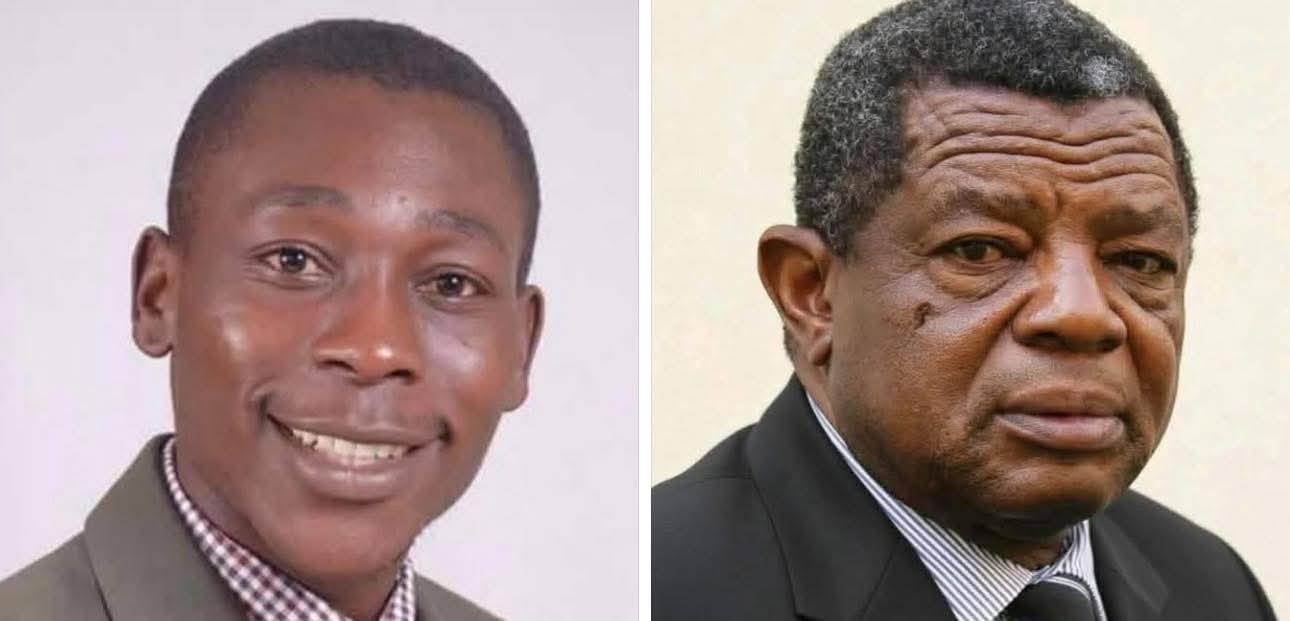
The circumstances surrounding Saruwaka’s death are particularly chilling. According to accounts from family and associates, he was lured to a location in Mabopane under the guise of delivering a R27,000 carpet order. He had reportedly received three separate R9,000 payments via ATM cash deposits for the order. After preparing the consignment, the client’s contact number became unreachable for over two months. Then, just last week, he received a message with a delivery location. Saruwaka travelled to the site by Uber, only to be ambushed by gunmen upon arrival in a bushy area, where he was fatally shot. Crucially, family members, citing police information, noted that nothing appeared to have been stolen from the vehicle, including the valuable carpet consignment. This detail has fuelled widespread speculation that he was deliberately lured to his death, rather than being the victim of a random robbery.
The Zimbabwean government, through its spokesman Ndavaningi Mangwana, swiftly denied any involvement in Saruwaka’s killing. Mangwana dismissed the allegations as “unfounded” and attributed the death to South Africa’s high murder rate. “We categorically reject the unfounded allegations being pushed around the internet regarding the tragic death of a Zimbabwean national in South Africa. We had absolutely no role in this incident,” Mangwana stated.
“We extend our condolences to the family and express our full confidence in the South African authorities, who we trust will conduct a thorough investigation. As a nation grappling with one of the world’s highest rates of violent crime, South Africa’s police are experienced in such complex cases. We urge all parties to allow the process to proceed without harmful speculation.”
However, this official denial has done little to quell the fears among exiled political dissidents, with many viewing Saruwaka’s death as a chilling warning. United States-based pro-democracy campaigner Freeman Chari articulated this sentiment on X, stating, “There is no doubt in my mind that hitmen sent by Zanu PF assassinated Saruwaka.” Gladys Hlatywayo, a former MP and secretary for external affairs in the Citizens Coalition for Change, echoed these concerns, suggesting the killing bore “the footprints of an extraterritorial assassination.”
At the heart of Geza’s dissent, and indeed the broader political turmoil, lies the contentious “2030 Agenda” – a concerted effort by allies of President Mnangagwa to extend his presidential term beyond the constitutionally mandated limit. The Constitutional Amendment Bill No. 3 of 2026, currently before Cabinet and Parliament, proposes to extend presidential terms from five to seven years, effectively allowing Mnangagwa to remain in power until 2030.
This move has ignited fierce opposition, not least from war veterans like Geza, who viewed it as an unconstitutional power grab. Geza had been a leading voice in protests against this extension in 2025, demonstrations that reportedly saw eight people shot dead by security forces. His unwavering stance against the 2030 agenda positioned him as a significant obstacle to the ruling party’s plans.
The political landscape in Zimbabwe is further complicated by an intense succession battle within Zanu PF itself. Rumours of mysterious deaths among senior security officials and top army generals have circulated for months, fuelling speculation of purges aimed at consolidating power. The alleged assassination plot against Vice President Constantino Chiwenga in October 2025, reportedly involving mercenaries, underscores the deep-seated paranoia and infighting within the party.
This internal strife, coupled with the push for the 2030 term extension, paints a picture of a leadership increasingly willing to silence dissent, both within and outside its ranks. The recent court challenge filed by six war veterans on 17 February 2026, just days after Geza’s death, against the 2030 amendment, further highlights the growing resistance to Mnangagwa’s extended tenure.
The deaths of Blessed Geza and Kudzai Weston Saruwaka, set against the backdrop of the 2030 term extension debate and the palpable paranoia within Zimbabwe’s political inner circle, serve as a grim reminder of the high cost of dissent. The “unspoken truth” behind these events suggests a calculated effort to eliminate opposition and consolidate power, leaving the liberation struggle fraternity grappling with profound questions about its future and the values it once championed. The silence from senior Zanu PF figures at Geza’s burial, contrasted with the clandestine support, speaks volumes about the fear that grips those who dare to challenge the status quo. As the nation watches, the shadows lengthen, and the true extent of the political machinations remains to be fully uncovered. The struggle for a truly democratic Zimbabwe, it seems, continues to claim its martyrs, even in death.
The broader context of this political upheaval cannot be ignored. Zimbabwe has a long and troubled history of state-sponsored violence and the suppression of dissent, dating back to the Gukurahundi massacres of the 1980s. The current climate, while perhaps less overtly violent on a mass scale, is characterized by a more targeted and sophisticated approach to maintaining power. The use of constitutional amendments to extend presidential terms is a tactic that has been employed by several African leaders in recent years, often with disastrous consequences for democracy and stability. In Zimbabwe, this move is seen by many as a betrayal of the ideals of the liberation struggle, which sought to establish a government that was accountable to its people.
The “Geza Revolution,” as Saruwaka termed it, represents a growing movement of disillusioned war veterans and activists who are no longer willing to remain silent in the face of what they perceive as the betrayal of their struggle. These individuals, many of whom fought alongside the current leadership during the war for independence, are now finding themselves on the opposite side of the political divide. Their dissent is particularly potent because it comes from within the very heart of the establishment, challenging the ruling party’s narrative of unity and legitimacy. The fact that the government feels the need to resort to such drastic measures to silence these voices is a testament to the perceived threat they pose.
The role of South Africa in this unfolding drama is also significant. As a regional powerhouse and a frequent destination for Zimbabwean dissidents, South Africa has often found itself caught in the middle of its neighbour’s political turmoil. The alleged extraterritorial assassination of Saruwaka on South African soil, if proven, would represent a serious breach of international law and a direct challenge to South African sovereignty. The South African authorities are under immense pressure to conduct a thorough and transparent investigation, the results of which could have far-reaching implications for the relationship between the two countries. For now, the exiled Zimbabwean community in South Africa remains on edge, fearing that they too could be targeted.
The economic situation in Zimbabwe also provides a crucial backdrop to the political tension. The country has been grappling with hyperinflation, widespread poverty, and a collapsing infrastructure for years. The perception that the political elite is more concerned with consolidating its own power and wealth than with addressing the needs of the people has fuelled widespread resentment. Geza’s accusation that Mnangagwa was “captured” by wealthy businessmen resonated with many Zimbabweans who feel that their country’s resources are being plundered by a corrupt few. The push for the 2030 term extension is seen by many as a way for this elite to continue its grip on power and ensure its continued access to the nation’s wealth.
As the legal challenges to the 2030 amendment proceed through the courts, the nation remains in a state of uncertainty. The outcome of these cases will be a crucial test for the independence of Zimbabwe’s judiciary and its ability to uphold the constitution. Regardless of the legal outcome, however, the political damage has already been done. The deaths of Geza and Saruwaka have created a new set of martyrs for the opposition and have further deepened the divisions within the country. The “unspoken truth” behind the burial of Blessed Geza is that the liberation struggle, once a source of national pride and unity, has become a tool for power and a justification for the suppression of dissent.
In the final analysis, the story of Blessed Geza’s burial is about more than just the death of one man. It is a story about the state of a nation, the high cost of standing up for one’s beliefs, and the lengths to which those in power will go to maintain their position. The shadows that fell over Sanyati on the day of his burial are a reflection of the shadows that continue to hang over Zimbabwe’s future. The voices of dissent, though currently being silenced, are unlikely to remain quiet for long. The “Geza Revolution” may have lost one of its leaders, but the spirit of resistance it represents remains very much alive. The true legacy of Blessed Geza will not be found in the routine proceedings of his burial, but in the continued struggle of those who refuse to let his voice be silenced.
The international community, too, has a role to play in ensuring that the events in Zimbabwe do not go unnoticed. Human rights organisations and foreign governments must continue to monitor the situation closely and hold the Zimbabwean government accountable for its actions. The suppression of dissent and the use of violence to maintain power are not just internal matters; they are a direct threat to regional stability and the principles of democracy. The world must not look away as Zimbabwe’s political inner circle continues its descent into paranoia and repression. The memory of Blessed Geza and Kudzai Weston Saruwaka demands nothing less.
Ultimately, the path that Zimbabwe chooses to take in the coming years will determine its fate for generations to come. Will it continue down the road of authoritarianism and the suppression of dissent, or will it find a way to return to the democratic ideals that its people fought so hard to achieve? The answer to that question remains uncertain, but the events surrounding the burial of Blessed Geza provide a sobering reminder of the challenges that lie ahead. The struggle for the soul of Zimbabwe is far from over, and the “unspoken truth” of Geza’s burial is a testament to the enduring power of the human spirit in the face of adversity.