


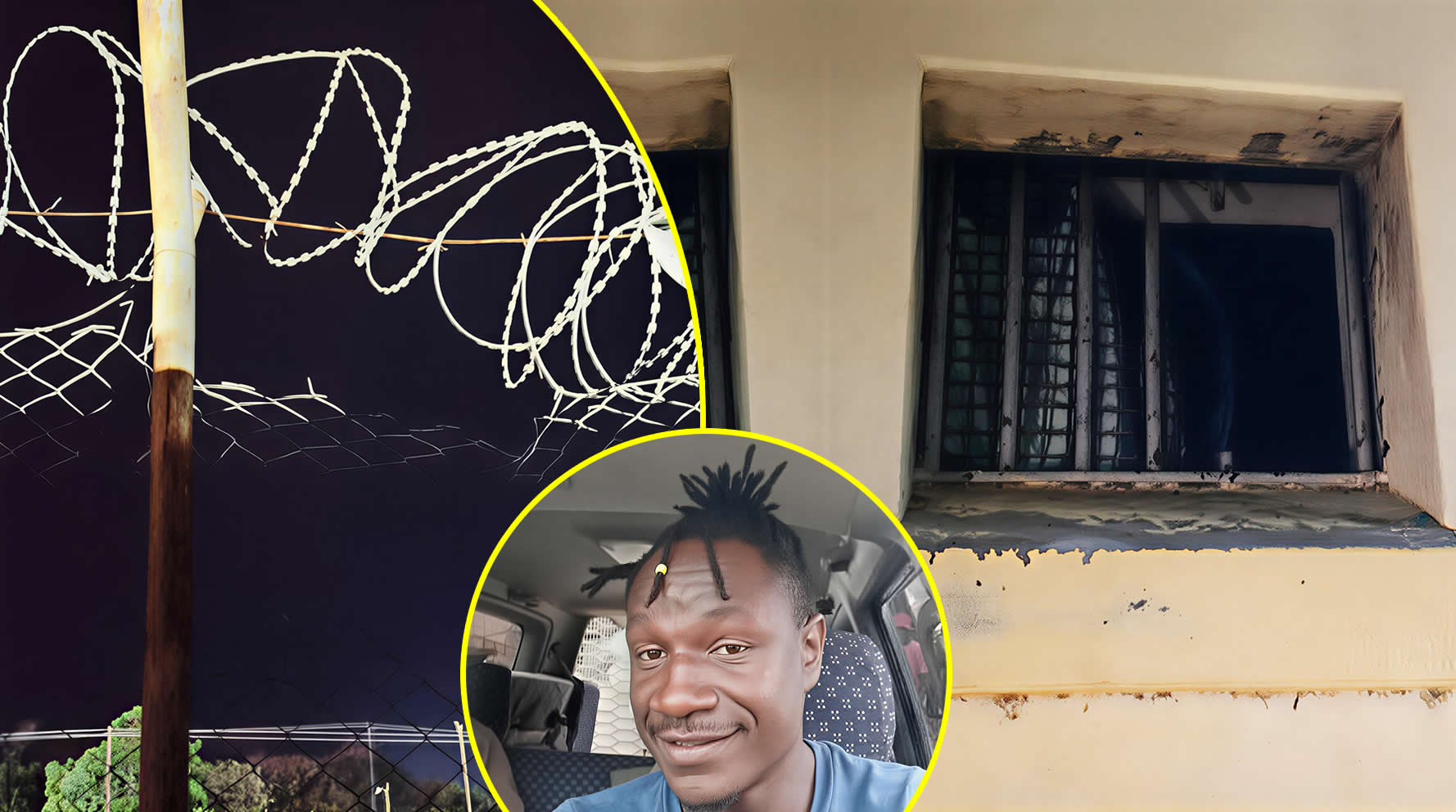
PLUMTREE – The audacious escape of convicted rapist and murder suspect, Cabangani Mike Mathe, from Plumtree Prison reads like a script from a Hollywood thriller. Yet, the reality is far more unsettling, exposing a deeply entrenched rot within the Zimbabwe Prisons and Correctional Service (ZPCS). Mathe, a man serving a 20-year sentence for heinous crimes, did not scale walls or tunnel his way to freedom; he allegedly bought his way out for a mere US$2,300. This scandal has not only rattled the residents of Plumtree but has also cast a long shadow over the integrity of Zimbabwe’s justice system.
Our investigation delves into the hidden details of this extraordinary escape, revealing a narrative of betrayal, greed, and systemic failure that allowed a dangerous fugitive to walk out of a high-security facility. The chilling truth behind how Mathe orchestrated his freedom, and the subsequent manhunt that led to his re-arrest, paints a stark picture of vulnerability to corruption within the nation’s correctional institutions.
The Man Behind the Escape: Cabangani Mike Mathe
Court documents detailed a particularly horrific incident where he forced a female employee into icy water, repeatedly dunked her until she lost consciousness, raped her, and then, with chilling audacity, ordered her to return to work the very next morning as if nothing untoward had occurred. At the time of his escape, Mathe had served only eight months of this sentence.
Beyond this conviction, Mathe faced a litany of other serious charges. He had pending cases before the courts, including charges of physical abuse, abuse of a minor, and a looming murder trial. His name was also infamously linked to the “Judas Cop” saga, a disturbing episode involving a rogue police officer who allegedly removed a woman from protective custody and handed her over to Mathe. This woman was later tragically murdered in Botswana, further underscoring the extreme danger Mathe posed to the public.
For years, Mathe moved through Plumtree and its surrounding areas with an air of untouchability. He reportedly boasted that the police could never apprehend him, and many of his victims were too terrified to speak out against him. His conviction in August 2025, therefore, came as a profound relief to many, a brief respite from the reign of terror he had imposed. The idea that such a high-profile and dangerous individual was housed in Plumtree Prison, rather than a maximum-security facility, immediately raised questions among inmates and the public alike.
The Corrupt Bargain: How Freedom Was Purchased
The intricate plot for Mathe’s escape allegedly began to unfold in 2025, while he was already incarcerated. Investigations have revealed that his so-called “Great Escape” was not a feat of physical prowess but a transaction, allegedly bought and paid for through a corrupt deal with a prison officer. The central figure in this alleged conspiracy is Yusufu Yusufu, a 47-year-old Zimbabwe Prisons and Correctional Services officer stationed at Plumtree Prison.
According to allegations presented in court, the escape plan stemmed from a pre-existing financial dispute between Mathe and Yusufu. Mathe informed investigators that prior to his incarceration, he had lent Yusufu US$2,000, with the expectation of a 40 per cent return on the investment. When Mathe found himself behind bars before the debt was settled, he allegedly demanded repayment, intending to use the funds to finance legal appeals against his conviction.
However, Yusufu, reportedly unable or unwilling to repay the debt, allegedly proposed a far more sinister alternative. Instead of settling his financial obligation, he offered to facilitate Mathe’s escape from prison, for an additional fee. Mathe, it is claimed, paid an extra US$300 from money he had secretly hidden within the prison, bringing the total “value” of his freedom to US$2,300.
With the corrupt bargain struck, Yusufu allegedly supplied Mathe with two hacksaw blades and provided detailed instructions on how to cut through the burglar bars of his cell window without arousing suspicion. Over a period of five days, Mathe meticulously sawed through three bars, cleverly disguising his illicit work as routine cell cleaning. The noise, according to some inmate accounts, should have been impossible to ignore.
One inmate, speaking to the news crew under condition of anonymity, stated, “He said inmates screamed and banged on doors but no guard responded. The noise from hacking metal would have been enough to raise the dead.” This statement highlights the incredulity among prisoners and raises serious questions about the level of negligence or direct involvement of other prison staff. Another source insisted that the bars might have been cut after Mathe escaped, suggesting a deliberate attempt to cover up the true circumstances. “Someone wanted it to look neat. It was too quiet. I do not believe he did that alone,” the source claimed, adding, “Mathe has a history of getting help from authorities.”
In the early hours of 15 November 2025, between 1 AM and 2 AM, Mathe squeezed through the newly created opening in his cell window. He then proceeded to cut through a razor-wired fence located near the dog yard and made his final exit through the officers’ residential gate, vanishing into the night. He left behind the hacksaw blades and the severed bars, silent testaments to his audacious escape.
The Manhunt and Life on the Run
Mathe’s disappearance triggered immediate chaos in Plumtree. The Zimbabwe Prisons and Correctional Services (ZPCS) spokesperson, Chief Superintendent Meya Khanyezi, confirmed that security teams were deployed immediately after the escape. However, the initial official narrative of Mathe using a hacksaw blade to cut through bars and slipping out was quickly challenged by inmate accounts, which suggested a far more complex and disturbing picture of collusion.
Police mounted an aggressive search operation, involving roadblocks, gunfire, and even drones hovering over border communities. Mathe, however, proved elusive. He moved between bushes, sought refuge in mountains, and reportedly stayed at relatives’ homes, all while evading capture. His journey eventually took him through Bulawayo and Harare, before he boarded a bus that carried him across the border into Malawi.
While in Malawi, Mathe, believing he had successfully evaded justice, made a crucial error: arrogance. He allegedly began sending threatening WhatsApp voice notes and messages to people in Plumtree, using a Malawian phone number (+265991536675). These messages, some demanding repayment of debts as small as US$10, included threats to “visit the victims” if they failed to comply. Even more disturbingly, he is alleged to have phoned some of his rape victims using private numbers, laughing silently on the line. One victim recounted her terrifying experience: “I received a call from a private number three days after he escaped. He did not speak. He just laughed. I knew it was him. I felt unsafe and terrified.”
These brazen threats, coupled with his use of a Malawian phone number, proved to be his undoing. They alerted investigators to his location, narrowing the search considerably. Mathe, who had even shaved his trademark dreadlocks in an attempt to alter his appearance, was eventually apprehended on 14 February 2026. Malawian authorities stopped him during a routine check, and he failed to produce identification. At the time of his arrest, Mathe, looking significantly older, was eking out a living selling chicken pieces and vegetables.
Re-arrest, Accountability, and Systemic Failures
Following his arrest in Malawi, Mathe was deported back to Zimbabwe and arrested by CID Homicide officers at Robert Gabriel Mugabe International Airport on 25 February 2026. The illusion of his untouchability was finally shattered. The following day, Yusufu Yusufu, the prison officer allegedly instrumental in his escape, appeared before Plumtree magistrate Joshua Nembaware, facing charges of assisting a prisoner to escape. He was not asked to plead and was remanded to 20 March 2026 on US$100 bail, represented by Mr Thutho Mavula. Ms Sheila Nyathi appeared for the State.
Mathe himself appeared before Bulawayo regional magistrate Shingirayi Mutiro on 26 February 2026, where he pleaded guilty to escaping from lawful custody. He was subsequently sentenced to an additional six years in prison. Police spokesperson Paul Nyathi confirmed the arrest, stating that the case demonstrated there was “no safe haven for criminals.”
However, the implications of Mathe’s escape extend far beyond the individual actions of a corrupt officer and a dangerous inmate. This incident has laid bare the systemic vulnerabilities within the ZPCS. The fact that a mere US$2,300 could facilitate the escape of a convicted rapist and murder suspect from a supposedly secure facility highlights a critical failure in security protocols and oversight. The question remains: why was a high-profile, dangerous killer like Mathe housed in Plumtree Prison, a facility seemingly ill-equipped to handle such a risk, instead of a maximum-security institution?
The inmate accounts of guards ignoring screams and banging doors during the escape suggest a deeper issue of collusion or profound negligence that goes beyond Yusufu Yusufu. The immense damage to public trust in the ZPCS and the broader justice system is undeniable. For the victims who lived in renewed fear while Mathe was on the run, his re-arrest brought a measure of relief, but the trauma of his escape will undoubtedly linger.
Community in Fear and Lessons Learned
With Mathe back on the streets, the fear that had gripped Plumtree for so long returned with a vengeance. Residents lived in a state of anxiety, with many taking extra precautions to protect themselves and their families. Reports indicated that some families temporarily relocated to rural areas, while others maintained a closer watch on their surroundings. Some even switched off their social media accounts, fearing potential threats or retribution. The escape reopened old wounds for many victims and witnesses, who now lived in fear of Mathe’s return.
The lack of clear and consistent communication from authorities only exacerbated the situation, leaving residents desperate for reassurance that everything possible was being done to recapture Mathe. Transparency, many believed, was crucial to calming nerves and providing a sense of security to those directly affected.
This incident serves as a stark reminder of the challenges inherent in managing high-risk inmates within any correctional facility. Mathe’s history of violent crimes and intimidation made him a prisoner requiring constant vigilance and careful planning. While Plumtree Prison possesses resources and trained officers, this escape demonstrates that such measures are insufficient without robust internal controls and an unwavering commitment to integrity. The focus must now shift towards a thorough investigation into the circumstances surrounding Mathe’s escape, holding all responsible parties accountable, and implementing stringent measures to prevent any future recurrence. The safety and security of the community, and the credibility of the justice system, depend on it.