


A Beitbridge customs clearing agent and football club sponsor was shot four times when eight armed men broke into his home in Dulivhadzimu and demanded US$10,000 in cash belonging to his clients.
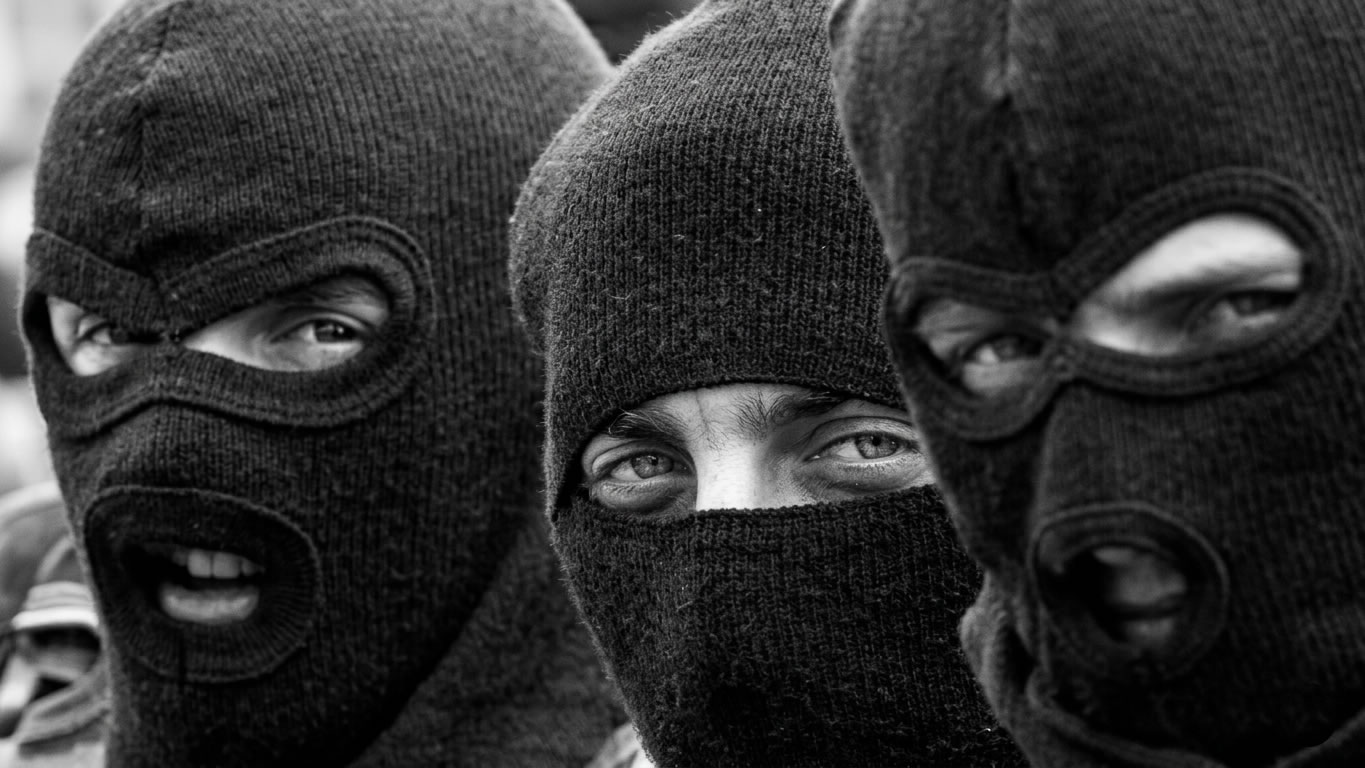
Sebastian Mhondiwa, 33, was attacked at about 1am last Tuesday after the gang first robbed another man on the way to his home. The suspects, who wore balaclavas and carried pistols, bolt cutters and a crowbar, allegedly took US$400, R1,000 and a mobile phone from the first victim before moving on to Mhondiwa’s house.
Police said the group escaped from Mhondiwa’s home with the US$10,000, mobile phones and other valuables. No arrests had been announced as investigations continued.
Mhondiwa, who sponsors Dulivhadzimu United FC, was shot twice in the left leg and once in the right leg. A fourth bullet grazed his left thigh near the groin. One bullet passed through the upper part of his left leg, while another remained lodged in the lower section. The bullet that struck his right leg also passed through.
He was taken to hospital by a neighbour after the robbers fled. Doctors operated on both legs and fitted eight internal fixation devices to the left leg and four to the right to stabilise the fractures. After his discharge, he was expected to use a wheelchair for about six weeks.
The gang entered through a French door leading into his bedroom. Mhondiwa had fallen asleep on a sofa in the lounge while watching football. His wife was sleeping in a spare bedroom with her sister, who was visiting the family.
“I heard a noise coming from the bedrooms and rushed to investigate. At first, I thought it was my wife and her sister having a misunderstanding. Little did I know that some people had broken into the house after tampering with a French door leading into my bedroom from outside,” he said.
He said he came face-to-face with a masked man as the intruder emerged from the bedroom. The two collided and fell to the ground before the man drew a pistol and opened fire.
“They demanded all the cellphones that were in the house and took four of them. They assaulted me and demanded to know where I had stored the cash. I told them it was in the car. I had about US$10 000, which belonged to clients, and had left it in the car. I had failed to surrender the money the previous day because I had travelled out of town and returned late,” he said.
The men continued beating him and demanded the keys to his car. One of them struck him above the right eye with a crowbar, leaving him with a deep cut, before the gang ran from the house.
“One of the men hit me with a crowbar above my right eye and I sustained a deep cut. They then fled from the house and my family sought assistance from a neighbour, who rushed me to hospital,” he said.
While Mhondiwa lay bleeding on the floor, his immediate fear was for the people inside the house. His two-year-old child heard the disturbance from another room. His six-year-old child woke up after the robbers had gone and found him injured on the floor.
“I’m glad that my children did not witness this horrific attack, as they would have been severely affected psychologically and left traumatised.
“Throughout the entire incident, I was praying for the safety of my children, wife and relatives who were in the house. I’m grateful to be alive. I saw God’s mighty hand in all of this, as these people could have killed me,” said Mhondiwa.
The attack comes as Zimbabwean police investigate a series of robberies in which criminals have targeted homes, mobile-money outlets, cash collection centres and other places where large amounts of money are kept.
In Norton, suspected robbers blew open an ATM safe at Govans Shopping Centre at about 2am last week and escaped with an undisclosed amount of cash. Police said the suspects had not been identified and were still verifying how much money was taken.
“We are investigating an armed robbery incident which occurred in Norton where a safe was blown at Govans Shopping Centre by suspects who are yet to be identified. We will be releasing more details in due course,” said national police spokesperson Commissioner Paul Nyathi.
The Norton explosion was followed by figures showing the scale of recent cash robberies in Bulawayo. More than US$64,000 and R1,000 were stolen in three incidents involving a mobile-money booth, another mobile-money outlet and a cash collection centre between July 13 and 17.
At Emganwini Shopping Centre, two armed suspects allegedly raided a mobile-money booth and escaped with US$2,000 and Econet airtime worth US$280. Three days later, robbers targeted a mobile-money outlet in Cowdray Park as workers were closing. They allegedly stole US$8,653, R1,000 and two transaction phones before locking employees and a customer inside an office.
The largest of the three attacks took place at a cash collection centre on Fort Street in Bulawayo’s central business district. Four armed men reportedly entered while 16 cashiers were reconciling the day’s takings. The gang ordered employees to lie on the floor at gunpoint and escaped with about US$53,000.
The pattern has raised fresh concern about the movement of weapons, explosives and criminal methods across the Zimbabwe-South Africa border. ATM bombings have long been associated with organised crime in South Africa, where police continue to treat attacks on cash machines and cash-in-transit vehicles as a serious security problem.
South African police recently arrested three Zimbabwean nationals in Matholesville, Roodepoort, after recovering blasting equipment valued at about R160,000. Officers seized 88 safety fuses, 62 blasting cartridges and roughly 400 metres of detonating cord. Police said the intelligence-led operation targeted a suspected supplier allegedly linked to ATM bombings, cash-in-transit robberies and illegal mining.
The arrests were made in a country where ATM bombings and cash-in-transit heists have become established organised-crime threats. They also came during a period of heightened movement between South Africa and Zimbabwe, after migrants faced intimidation and threats from anti-immigrant groups.
By July, Zimbabwean authorities said nearly 21,300 citizens had returned through government-assisted arrangements since late May, while more than 56,800 others had made their own way across the border. The returns followed protests and threats aimed at undocumented migrants, including reports of assaults, robbery and people being forced from their homes and jobs.
The scale of the movement has added pressure to border towns such as Beitbridge, which must manage busy formal crossings, informal movement and the return of people seeking shelter or work. It has also prompted concern that criminal networks may use the same routes and contacts to move weapons, explosives and stolen money between the two countries.
However, the return figures do not establish that Zimbabweans coming back from South Africa are responsible for the Beitbridge robbery or the recent ATM attack. Police have not linked Mhondiwa’s shooting to any returnee, and no evidence has been made public showing that the suspects in the Beitbridge case came from South Africa.
For residents in Beitbridge, the immediate issue is the violence inside homes and the targeting of people who handle cash for businesses and clients. Mhondiwa was not attacked in an isolated street robbery. He was confronted in his own house, in front of relatives, after armed men allegedly forced their way through a bedroom door.
Police investigations into the eight suspects, the earlier robbery and the attack on Mhondiwa are continuing. Authorities are also investigating the Norton ATM blast and the wider string of robberies involving cash centres and mobile-money businesses.
The cases have placed renewed attention on security at homes, cash-handling businesses and border communities, where criminals can move quickly and where a single night-time raid can leave victims with life-changing injuries.