


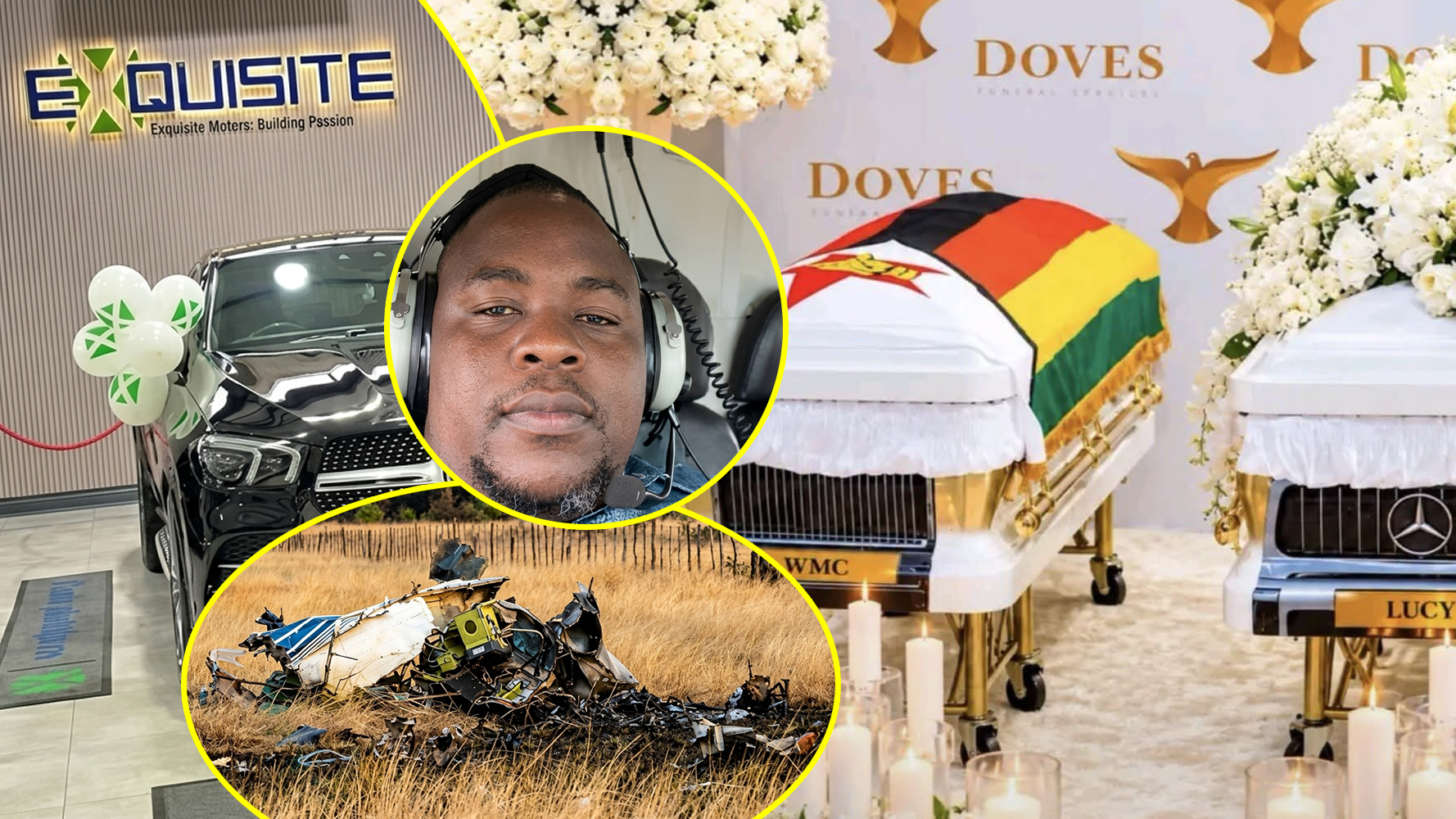
The estate of businessman Wicknell Chivayo has been registered with Zimbabwe’s Master of the High Court, but its administration has yet to begin. No executor or executrix has been appointed, leaving unresolved questions about the scale of the estate, whether Chivayo left a valid will and how a US$25 million matrimonial property dispute will proceed.
The estate was registered about 3 weeks before the latest update, and an initial meeting was held. Senior officials at the Master’s Office confirmed those steps but have not disclosed details of the assets, liabilities or people who may benefit.
“We can confirm that the estate has since been registered about three weeks ago, and a first meeting held. But the executor or executrix of the estate is yet to be appointed,” said one source, declining to shed further light on the matter.
Another source close to the estate said the office could not yet discuss its administration.
“We will get in touch with you when we are ready and have something to say about the estate, but as of now, we cannot give you the finer details of the estate.”
Until an executor or executrix is appointed, there is no administrator in place to take stock of Chivayo’s property, establish what debts or claims need to be addressed, and oversee any eventual distribution. The estate’s value has not been publicly established. The US$25 million at the centre of the court dispute is a claim in the matrimonial case, not a confirmed valuation of the estate.
The appointment will also affect the progress of the Supreme Court case involving Chivayo and his former wife, Sonja Madzikanda. At the time of his death, Chivayo was pursuing an appeal connected to their dispute over matrimonial property and assets. The matter was removed from the court roll after his death, pending the appointment of a representative for his estate.
His lawyer, Advocate Sylvester Hashiti, confirmed the development.
“The matter was removed from the roll on account of appellant’s demise until such a time he is substituted by his executor or executrix who will represent him in court as concerns any claims against his estate,” said Adv Hashiti.
The dispute stems from the couple’s separation and the division of property and financial support. Madzikanda’s claim has sought a US$25 million lump-sum settlement, US$40,000 in monthly spousal maintenance and US$1 million a year for holidays and entertainment. The case has also involved claims concerning luxury vehicles and properties in Zimbabwe and South Africa, as well as assets said to be held through companies or trusts.
The assets named in the matrimonial dispute include Rolls-Royce models, a Lamborghini Urus, a Mercedes-Benz G-Wagon, a Maybach, Range Rover vehicles and a Lexus SUV. Properties cited include homes in Harare suburbs, a stand in Gletwyn Township and an apartment in Sandton, Johannesburg. The claims make the question of which assets belong to the estate, and how they are held, an important part of the work ahead.
Chivayo’s business interests also extend beyond personal property. He was the managing director of Intratrek Zimbabwe, whose Gwanda solar power project became the subject of years of legal disputes. The estate process will need to establish the extent of his interests in any businesses and other arrangements, alongside his personal assets and liabilities.
A separate question is whether Chivayo left a valid will. No details have been made public confirming whether one exists. A valid will could set out his wishes for the distribution of his estate, while a person who dies without one has their estate distributed under the applicable succession laws. Either way, the administration must account for recognised claims and the interests of beneficiaries.
Chivayo had two minor children with Madzikanda. Their welfare and financial security are among the matters that will need attention as the estate is administered. The children’s interests do not establish, by themselves, how assets will be distributed; that will depend on the administration of the estate and the applicable legal arrangements.
The estate process follows Chivayo’s death alongside his wife, Lucy Muteke, in a helicopter crash near Marondera on September 30. The aircraft was travelling from Gandami in Chikomba District towards Marondera when it crashed at Kudenga Farm. The crash killed the couple and other people travelling with them.
The cause of the crash had not been established in the immediate aftermath. Authorities recovered the aircraft’s black box, and the government said wreckage would be examined at a hangar at Charles Prince Airport. A preliminary report was expected within 30 days, with international experts involved in the forensic work.
The crash brought a sudden end to Chivayo’s role in the pending appeal and left his estate to be represented by someone appointed to act on its behalf. It also meant that the family’s loss and the administration of his assets were unfolding at the same time. Chivayo’s family spokesperson, Herbert Chivayo, said the condition of the remains prevented an open-casket funeral. Addressing reports that the couple’s heads had been recovered, he said: “No head was found.”
The Master’s Office has not disclosed who may be appointed to administer the estate or when that decision may be made. The family has not provided public details of the estate, and efforts to obtain comment from relatives have been unsuccessful.
For now, registration is the first formal step, not a final accounting of Chivayo’s fortune. The executor or executrix will have to identify and safeguard the assets, establish liabilities and address claims before the remaining estate can be distributed. The appointment will also determine when the Supreme Court dispute can return to the process, and who will speak for the estate as the case moves forward.