


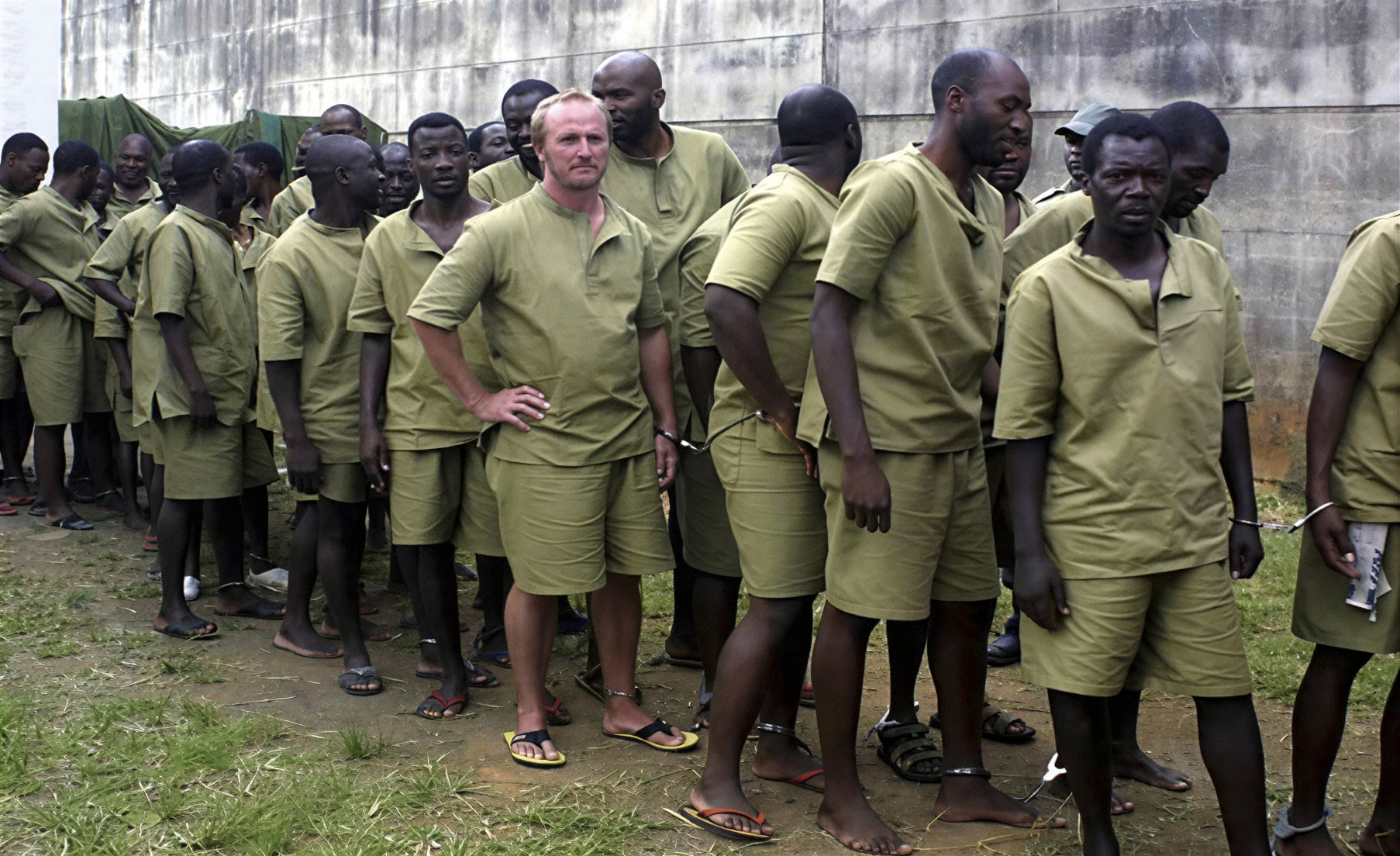
HARARE – President Emmerson Mnangagwa has sanctioned a comprehensive general amnesty for 2026, a move designed to alleviate the severe overcrowding plaguing Zimbabwe’s correctional facilities. This decision comes as the nation grapples with a burgeoning prison population that far exceeds official capacity, leading to deplorable conditions and raising significant human rights concerns.
The presidential clemency, exercised under constitutional powers, is set to benefit thousands of inmates, offering either immediate release or substantial reductions to their sentences. The scale of the crisis necessitating such a broad measure underscores the persistent challenges within the country’s justice and correctional systems.
The Scope of the Amnesty: Who Benefits and Who Doesn’t?
The 2026 general amnesty is remarkably extensive, targeting several vulnerable groups and those serving shorter sentences. Eligible categories include all convicted female prisoners, with only a few exceptions, juveniles, and inmates aged 60 and above. Furthermore, prisoners with disabilities and those certified as terminally ill are also slated for release. The amnesty extends to individuals serving effective sentences of 48 months or less, inmates held in open prisons, and long-serving prisoners on life sentences who have already completed at least 20 years behind bars.
In a further measure to reduce the overall prison population, inmates serving sentences exceeding 48 months will see their terms reduced by a quarter. This widespread application of mercy is a direct response to the critical state of the country’s prisons.
However, the amnesty is not without its exclusions. It will not apply to prisoners who have previously benefited from similar acts of clemency, those sentenced by a court martial, or inmates with a history of escaping lawful custody. Crucially, individuals convicted of serious crimes are also excluded. These offences encompass murder, treason, rape and other sexual offences, carjacking, robbery and armed robbery, public violence, human trafficking, unlawful possession of firearms, and various offences under specific acts such as the Electricity Act, Postal and Telecommunications Act, Public Order and Security laws, railway offences, and copper-related crimes.
A System Bursting at the Seams: The Overcrowding Crisis
The presidential decree arrives amidst a deepening crisis within Zimbabwe’s correctional facilities. As of early January, the prison population stood at an alarming 27,683 inmates, significantly surpassing the official holding capacity of 17,800. This represents an excess of 9,883 prisoners, meaning the system is operating at nearly 155% of its intended capacity. Some facilities are even more severely affected, operating at between 200% and 300% above capacity, with some holding more than triple their intended numbers.
A joint parliamentary report, published in October 2025, painted a grim picture of the conditions. It revealed that Gwanda Prison, designed for 60 inmates, was holding 210, an astonishing 350% overcrowding. Chikurubi Maximum Security Prison, meant for 1,114, housed 2,689 inmates, while Binga Prison held 78 inmates against a capacity of 45. Harare Remand Prison was over 50% overcrowded with 1,361 inmates in a facility built for 900. Bindura Prison reported 443 inmates versus its capacity of 393, and Marondera stood at 730 inmates for a space meant to accommodate only 358.
Dilapidation, Disease, and Inhumane Conditions
The parliamentary report highlighted that much of Zimbabwe’s prison infrastructure dates back to the colonial era, with some facilities constructed as early as 1910. A chronic lack of maintenance and expansion has resulted in cramped, unsanitary, and poorly ventilated conditions. These circumstances have profound human rights and health implications, forcing inmates to sleep in overcrowded, leaking cells with inadequate sanitation systems. This significantly increases the risk of disease transmission and limits access to proper healthcare.
While the report acknowledged improvements in food provision, noting that inmates now receive three meals a day, it also exposed severe shortages of clothing and bedding. This compromises the dignity and health of prisoners, particularly during the colder months.
Many inmates were observed wearing torn or worn-out clothes, with some relying on donations from relatives. Blankets were in critically short supply, leading to a policy where inmates were permitted to bring their own due to the mismatch between inmate numbers and available bedding.
The state of prison healthcare was described as severely under-resourced, undermining the constitutional right of inmates to basic medical care. Prisons across the country, including Harare Remand, Hurungwe, Khami, Marondera, Chikurubi, Chipinge, and Gwanda, reported frequent shortages of medication, particularly for chronic conditions such as hypertension, diabetes, and mental health disorders. In some instances, inmates were entirely dependent on relatives for essential medicines, with facilities like Khami and Chikurubi reporting dangerously low supplies. Psychiatric inmates were particularly vulnerable due to the unavailability of their prescribed medication.
The Role of the Prosecutor General and Judicial Reform
The alarming scale of congestion prompted Prosecutor General Loice Matanda-Moyo to issue a directive to prosecutors nationwide on 7 January 2026. Her memo urged them to aggressively pursue bail, fines, and community service as alternatives to custodial sentences. “This situation is undesirable,” Matanda-Moyo stated in her internal memo. “Only in deserving cases should prosecutors advocate for custodial sentences”.
Of the total prison population, a significant 5,970 inmates are unconvicted accused persons awaiting trial. This situation, according to the Prosecutor General, undermines constitutional protections guaranteeing the presumption of innocence. Matanda-Moyo explicitly warned prosecutors against routinely opposing bail, emphasising that pre-trial incarceration should be an exception, not the rule. “Our law scoffs at pre-trial incarceration,” she asserted. “An accused is presumed innocent until proven guilty”. She further instructed prosecutors to review bail conditions for those remaining in custody solely due to an inability to afford monetary bail and to ensure that petty offenders are not detained unnecessarily.
Recent Incidents Highlighting Systemic Failures
The dire conditions within Zimbabwe’s prisons have been punctuated by recent incidents that further expose systemic vulnerabilities. In December 2025, a dramatic escape occurred at Harare Central Prison when inmate Jeffrey Jingura drove off in a vehicle he was repairing as part of an in-house training programme. The Zimbabwe Prisons and Correctional Services (ZPCS) confirmed the incident, stating, “The inmate escaped while in possession of a motor vehicle that he was repairing at the Harare Central Prison Workshops.” This incident, which is currently under investigation by both ZPCS and the Zimbabwe Republic Police (ZRP), raises serious questions about security protocols and the effectiveness of rehabilitation initiatives.
Beyond escapes, the broader public health crisis in Zimbabwe, particularly the resurgence of communicable diseases, poses an additional threat to the already vulnerable prison population. In early 2025, Zimbabwe experienced a surge in cholera cases, with outbreaks reported in multiple districts. The overcrowded and unsanitary conditions within prisons create an ideal environment for such diseases to spread rapidly, exacerbating the health crisis among inmates. While the parliamentary report noted improvements in food provision, systemic food shortages in prisons have been a historical concern, with laws and policies contributing to increased prison populations also affecting food access.
A Cycle of Amnesty and Overcrowding
Presidential amnesties are not new to Zimbabwe. Historically, these acts of clemency have been used as a mechanism to decongest prisons. However, critics argue that such amnesties often fail to address the root causes of overcrowding, leading to a cyclical problem. The effectiveness of these measures in the long term is often debated, particularly when underlying issues such as slow judicial processes, high pre-trial detention rates, and a punitive approach to minor offences persist.
Despite the challenges, the parliamentary committee noted some positive developments, including the growing momentum in rehabilitation and reintegration efforts within the ZPCS. Many prisons are introducing vocational and academic training programmes, signalling a shift towards a more correctional model. However, the lack of digital infrastructure continues to hinder access to justice, with many inmates unable to follow up on appeals or trials due to a lack of printing facilities and systemic failures that keep individuals on remand for extended periods without trial.
Conclusion: A Temporary Reprieve or a Lasting Solution?
The 2026 general amnesty offers a much-needed reprieve for thousands of inmates and a temporary solution to the critical overcrowding in Zimbabwe’s prisons. However, without fundamental reforms to the justice system, including expediting trials, reviewing bail policies, and investing in modernising prison infrastructure and healthcare, the cycle of overcrowding and subsequent amnesties is likely to continue. The true measure of this amnesty’s success will be its ability to catalyse sustained efforts towards a more humane and effective correctional system in Zimbabwe.