


THE SHACKLETON TRAGEDY: A COLD-BLOODED BETRAYAL IN THE HEART OF ZIMBABWE
CHINHOYI – The rustling leaves and the distant hum of agricultural machinery usually define the atmosphere in Shackleton, a modest mining and farming settlement nestled near Chinhoyi. But today, the silence that hangs over this community is heavy with grief and disbelief. The brutal murder of Norbert Tayero, 66, and his wife Petronella, 60, has left a void in a town that has already seen its share of hardship since the closure of the Shackleton copper mine in 2000. This was a place where neighbours knew each other’s names, where the rhythm of life was dictated by the seasons and the soil. Now, that rhythm has been shattered by an act of violence so profound that it defies simple explanation.
The tragedy, which unfolded in the early hours of March 31, 2026, is not just a story of a life lost, but a chilling account of betrayal. The man accused of this heinous act is Farai Chatikobo, 40, a former domestic worker who had once been trusted with the sanctity of the Tayero home. In a society where domestic workers are often treated as extended family members, the allegation that Chatikobo turned on his former employers has sent a ripple of unease through the region. It raises uncomfortable questions about the nature of trust and the hidden tensions that can simmer beneath the surface of everyday interactions.
A Midnight Confession and the Quest for Cleansing
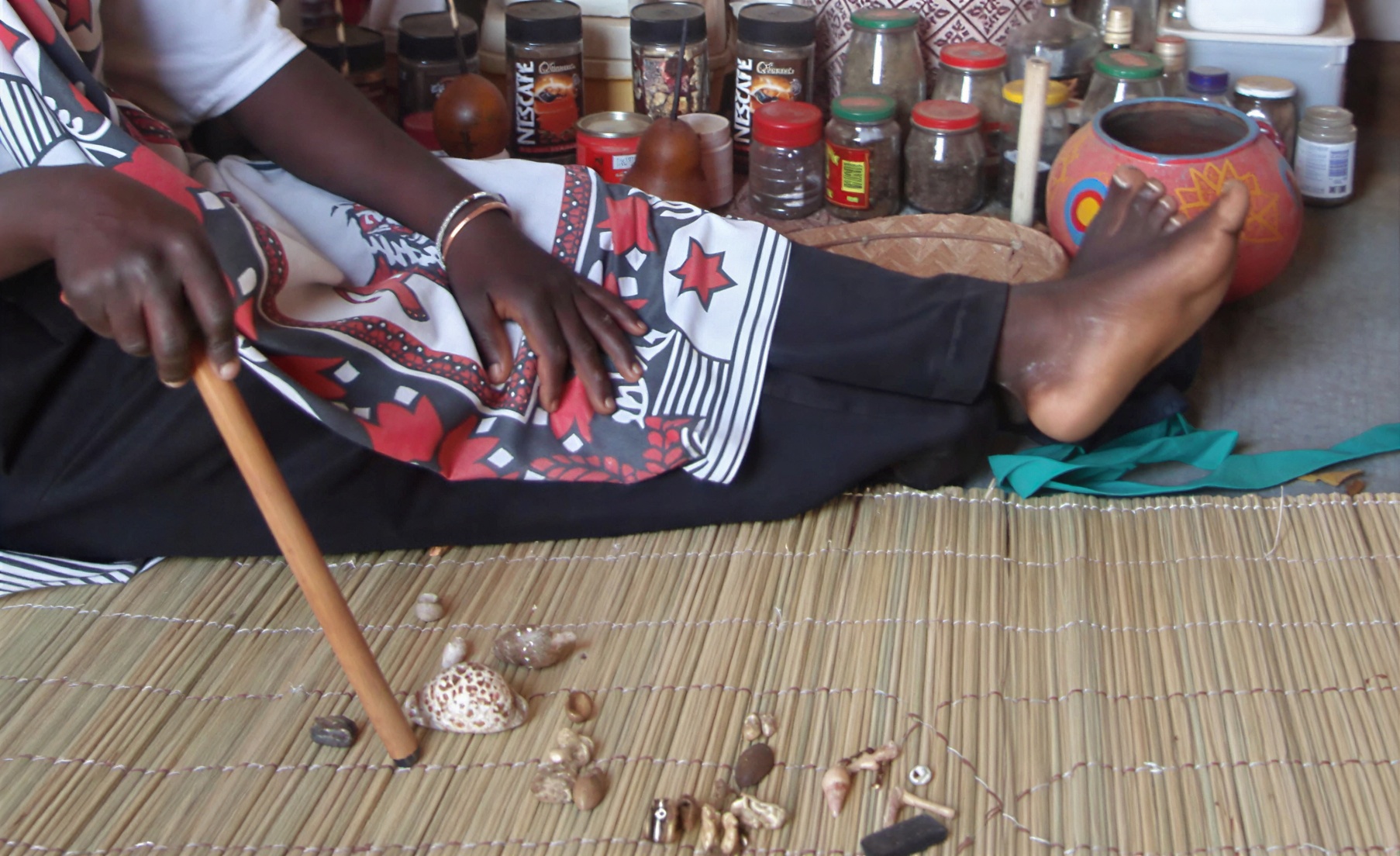
The sequence of events that led to the discovery of the bodies began at approximately 1:00 am, when Chatikobo arrived at the doorstep of Sekuru Jonas Tshuma, a 53-year-old traditional healer. Seeking what he described as “spiritual cleansing,” Chatikobo was reportedly haunted by the weight of his actions. In the cultural landscape of Zimbabwe, the fear of avenging spirits—known as ngozi—is a powerful deterrent and a source of immense psychological pressure. It is believed that the spirit of a murdered person will haunt the killer and their family until justice is served or a traditional settlement is reached.
Sekuru Tshuma, speaking to H-Metro, recounted the unsettling encounter in vivid detail. “He came to me around 1am and woke me up, seeking traditional spiritual cleansing for a murder he committed,” the healer explained. Initially, Chatikobo attempted to deflect blame, spinning a convoluted tale about a younger brother in Bindura who had supposedly killed someone. He seemed to be testing the waters, perhaps hoping that the healer would offer a quick ritualistic fix without probing too deeply into the specifics of the crime.
However, the seasoned healer was not easily deceived. His years of experience in dealing with the human psyche and the spiritual realm allowed him to see through the suspect’s facade. “I then insisted that I would only help if the man who committed the crime was brought before me,” Tshuma said. The pressure of the moment, combined with the quiet stillness of the night and the healer’s firm stance, eventually broke the suspect’s resolve. “He kept quiet for some time until he broke his silence and said he had killed Mai Tayero.”
A Healer’s Quick Thinking and a Councillor’s Intervention
Recognising the gravity of the situation, Sekuru Tshuma transitioned from a spiritual guide to an unofficial agent of the law. He knew that he had to act fast to ensure that the suspect did not disappear into the night. He devised a clever plan to keep Chatikobo at the scene while he alerted the authorities, using the very rituals the suspect sought as a means of detention.
“I then gave him a bucket of water, which I pretended had been mixed with some herbs, and told him to go and bath at a T-junction nearby,” Tshuma revealed. This ruse was brilliant in its simplicity; it appealed to the suspect’s desire for purification while providing the healer with a vital window of opportunity to contact Innocent Mangwanya, a local councillor. The T-junction, often considered a place of spiritual significance in traditional beliefs, was the perfect location to send Chatikobo, ensuring he remained within a predictable radius.
The tension escalated when Chatikobo returned from his “cleansing” bath before the councillor could arrive. The healer’s heart must have raced as he saw the suspect reappear at his gate. Ever resourceful, Tshuma hatched another plan on the spot. “I again hatched another plan and told Chatikobo to bring his car into the yard in an effort to keep him,” he said. Despite these efforts, the suspect grew increasingly restless. Perhaps sensing that something was amiss, or perhaps driven by a sudden surge of adrenaline, Chatikobo eventually departed, leaving behind a chilling trail of information and a phone number that would later prove crucial.
The Grim Discovery at the Tayero Homestead
Driven by the suspect’s confession, Councillor Mangwanya and Sekuru Tshuma hurried to the Tayero homestead. The journey, though short, must have felt like an eternity as they braced themselves for what they might find. When they finally arrived, the scene was one of utter confusion and devastation.
“We arrived at their homestead and found the other worker totally drunk and confused as if he had been drugged,” Mangwanya reported. This detail adds a sinister layer to the crime, suggesting that the perpetrator may have taken steps to incapacitate any potential witnesses or defenders. When questioned about the whereabouts of her employers, the worker could only point toward the main house with a trembling hand.
The search party was forced to break down the door, as it had been locked from the outside. Inside, the full horror of the night was revealed in the beam of their torches. Norbert Tayero lay lifeless on the floor, his body showing signs of a violent struggle. His wife, Petronella, was found in a pool of blood on the bed. The juxtaposition of the domestic setting—a bedroom, a place of rest—with the extreme violence that had occurred there was heart-wrenching.
In a statement that highlights the cold-blooded nature of the crime, Chatikobo had reportedly told the healer exactly why he had killed Petronella. “Chatikobo said after killing the husband, he then killed his wife since she started crying uncontrollably, saying her wailing would end up waking neighbours,” Tshuma recounted. This pragmatic approach to murder is perhaps the most disturbing aspect of the case. When the healer asked the young man how he felt about what he had done, the response was a haunting void of emotion: “Ndamubvunza mukomana uyu kuti urikunzwa sei nezvawaita akati hapana” (I asked this boy how he felt about what he did and he said nothing).
A Pattern of Domestic Betrayal and Rising Crime
The Tayero murders are not an isolated incident but part of a troubling trend of domestic worker-related crimes that have gripped Zimbabwe in recent years. As the nation grapples with severe economic challenges, including high inflation and unemployment, the dynamics between employers and domestic staff have become increasingly strained. The traditional bond of loyalty is being tested by the desperate need for resources, leading to a surge in cases of theft, violence, and, in the most extreme instances, murder.
Only months ago, in January 2026, the Zimbabwean community was rocked by the sentencing of a 20-year-old domestic worker who received 30 years in prison for a heinous crime against a child in his care. Similarly, in late 2025, reports emerged of a domestic worker in Harare who masterminded the theft of over US$80,000 from her employer, a sum that represents a lifetime of savings for many. These incidents underscore a growing sense of vulnerability among homeowners who, out of necessity, must invite strangers into their most private spaces.
According to recent statistics from ZimStat, Zimbabwe recorded over 426,000 criminal offences between October and December 2025 alone. This represents a significant volume of crime for a nation of its size. While provinces like Mashonaland West, where Chinhoyi is located, have historically reported lower crime rates compared to the bustling metropolis of Harare, the sheer brutality of the Tayero case has shattered any lingering sense of security in the region. The fact that the crime occurred in Shackleton, a community already struggling with the economic fallout of the mine closure, makes the blow even harder to bear.
The Search for Justice and the Road Ahead
Mashonaland West Provincial Police Spokesperson, Inspector Ian Kohwera, has confirmed the tragedy and stated that investigations are proceeding with the utmost urgency. The search for Farai Chatikobo continues, with the suspect reportedly attempting to negotiate a payment to the traditional healer via phone even after fleeing the scene. This brazen behaviour suggests a man who is either remarkably desperate or dangerously confident in his ability to evade capture.
“He told me that there were some people who were going to come with a lorry to take some cattle and he would give me money the following day,” Tshuma said, recounting his final phone conversation with the fugitive. “He wanted me to meet him between Banket or Harare for my payment.” The mention of cattle suggests a possible motive—theft of livestock is a common and lucrative crime in rural Zimbabwe—but the true reason for the murders may be more complex.
For the people of Shackleton, the road to recovery will be long and arduous. The loss of the Tayeros, a couple who were seen as pillars of the community, serves as a stark reminder of the fragility of peace. In the days following the discovery, the town has been hushed, with residents gathering in small groups to share their memories of the couple and their fears for the future. The Tayeros were known for their kindness and their commitment to their farm, and their absence is felt in every corner of the settlement.
The investigative process will undoubtedly delve into the motives behind Chatikobo’s actions. Was it a dispute over wages that spiralled out of control? A premeditated robbery aimed at the couple’s assets? Or something more sinister, perhaps rooted in a personal vendetta? Regardless of the reason, the outcome remains the same: two lives cut short, a family destroyed, and a community left to pick up the pieces of a broken trust.
As this story continues to develop, the focus remains on the apprehension of Farai Chatikobo. The police have urged anyone with information regarding his whereabouts, or anyone who may have seen his vehicle in the vicinity of Banket or Harare, to come forward immediately. They have also warned the public that the suspect should be considered dangerous.
In the meantime, the memory of Norbert and Petronella Tayero will be cherished by those who knew them. Their story is a tragic chapter in the history of Shackleton, a reminder of the darkness that can sometimes intrude upon even the quietest of lives. As the sun sets over the dormant mines and the vast farming fields of Mashonaland West, the residents of Shackleton are left to mourn, to hope for justice, and to wonder how they will ever truly feel safe again.
Investigative Context: The Socio-Economic Drivers of Crime in Zimbabwe
To understand the Tayero case, one must look at the broader socio-economic context of Zimbabwe in 2026. The country has been navigating a complex landscape of economic reform and persistent challenges. The closure of major industrial hubs like the Shackleton Mine in 2000 created a vacuum of opportunity that has never been fully filled. This has led to a situation where many individuals are forced into informal labour or, in some cases, criminal activity to survive.
Domestic work, while a vital source of employment, is often unregulated and poorly paid. This creates a power imbalance that can lead to resentment. Furthermore, the lack of rigorous background checks for domestic staff means that individuals with criminal tendencies can easily find employment in private homes. The Tayero case highlights the urgent need for better regulation of the domestic work sector and improved security measures for homeowners.
The role of traditional healers in the justice system is also worth noting. In many parts of Zimbabwe, healers like Sekuru Tshuma are the first point of contact for individuals in crisis. Their ability to bridge the gap between traditional beliefs and modern law enforcement is a crucial, if often overlooked, component of community safety. Tshuma’s actions in this case demonstrate the potential for traditional leaders to play a proactive role in preventing crime and assisting the police.
Timeline of the Shackleton Murder Case
|
Time
|
Event Description
|
|
Early Morning, March 31
|
Farai Chatikobo allegedly attacks Norbert and Petronella Tayero at their home.
|
|
1:00 am
|
Chatikobo arrives at Sekuru Jonas Tshuma’s residence in a state of distress.
|
|
1:15 am
|
After initial hesitation, Chatikobo confesses to the murders to the healer.
|
|
1:30 am
|
Sekuru Tshuma sends Chatikobo to a T-junction to “bath” and alerts Councillor Mangwanya.
|
|
2:00 am
|
Chatikobo returns briefly, then flees the scene before the councillor arrives.
|
|
2:30 am
|
Councillor Mangwanya and Sekuru Tshuma discover the bodies at the Tayero homestead.
|
|
3:00 am
|
Police are notified and the crime scene is cordoned off.
|
|
Daylight
|
A formal manhunt is launched; police release the suspect’s name and age to the public.
|
Comparative Crime Data: Mashonaland West vs. National Averages
|
Metric
|
Mashonaland West (Regional)
|
Zimbabwe (National Total)
|
|
Total Reported Crimes (Q4 2025)
|
42,300
|
426,946
|
|
Murder Rate (per 100,000)
|
4.2
|
5.8
|
|
Livestock Theft Incidents
|
1,240
|
8,900
|
|
Domestic Violence Reports
|
3,100
|
22,450
|