


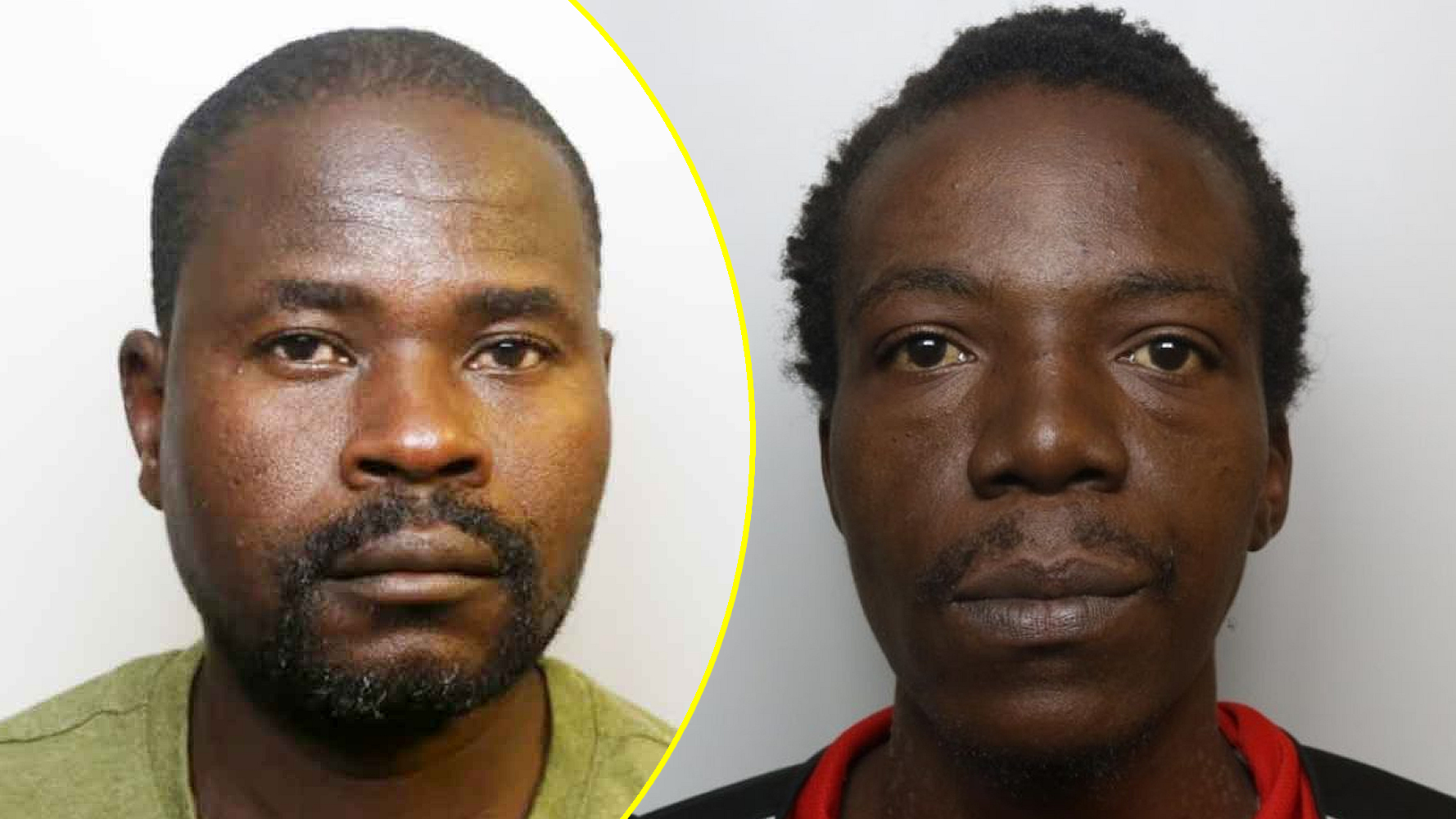
Two Zimbabwean men living in Britain have been hit with court restrictions in separate cases, with one banned from driving after he was caught weaving across the M5 while almost twice over the legal alcohol limit and another barred from begging and entering several parts of an English town.
Enock Chitsara, aged 42, from Llanybydder in Carmarthenshire, was disqualified from driving for 17 months and ordered to pay fines totalling £556 after being convicted of driving over the prescribed alcohol limit.
Chitsara was arrested in the early hours of Monday 17 August after a member of the public reported concerns about a motorist driving erratically near Bridgwater, Somerset. The report led officers to the driver as he travelled along the M5 in a Ford Ranger pick-up truck.
The call came at about 11.30pm on Sunday 16 August. Using Automatic Number Plate Recognition technology, officers located the vehicle near junction 22 of the M5 northbound. They followed it towards Gordano Services at junction 19, watching as it moved unpredictably along the motorway.
Police said Chitsara veered between lanes and braked without warning. At one point, the vehicle slowed to 28mph, creating a dangerous situation for other motorists using the busy motorway at night.
After the vehicle left the motorway and entered Gordano Services, officers brought it to a stop. Chitsara appeared drowsy and smelt strongly of alcohol, leading to his arrest on suspicion of driving while unfit through drink or drugs.
A roadside breath test showed that he was significantly over the legal drink-drive limit. An evidential breath test carried out later in custody recorded 60 microgrammes of alcohol per 100 millilitres of breath, almost twice the legal limit.
Chitsara was charged with driving while over the prescribed limit for alcohol. He appeared in court on Monday 14 September, where he was given the 17-month driving ban and ordered to pay the £556 in fines.
PC Jack Keane said: “Drink and drug driving puts lives at risk and there is simply no excuse for getting behind the wheel while impaired.
“The actions of this driver posed a significant risk to everyone else using the motorway that night. Thankfully, information provided by a member of the public allowed officers to intervene and remove him from the road.”
Police have urged people to report anyone they know or suspect of regularly driving under the influence of drink or drugs. They said information from the public could prevent a serious or fatal collision. Anyone reporting an incident anonymously can use the online reporting system, while an offence taking place at the time should be reported by calling 999.
The case came as official road-safety figures showed that drink-driving remains linked to thousands of casualties across Great Britain each year. In 2024, an estimated 220 people died in collisions involving a driver or rider over the legal alcohol limit. About 1,740 people were killed or seriously injured, while the total number of casualties of all severities was estimated at around 6,350.
The latest figures showed a fall in drink-drive deaths compared with the previous year, but the problem remains a persistent cause of serious harm on British roads. The figures also showed that drink-drive collisions accounted for about 4,360 reported collisions in 2024.
In a separate case, Tatenda Mushandu, 40, of Maple Way, Amesbury, in Wiltshire, was handed a three-year Criminal Behaviour Order after being convicted of four counts of persistent begging in a public place.
Mushandu appeared at Salisbury Magistrates’ Court on 10 February. The court imposed the order after the convictions, with the restrictions remaining in force until February 2029. He was also fined for the offences.
The order prevents Mushandu from approaching members of the public to request donations or implying that he needs donations. He is also banned from sitting or loitering within 50 metres of any shop or business in Amesbury.
Further restrictions cover several locations where officers said his behaviour had affected people shopping and working in local retail outlets. Mushandu is not allowed to enter the entirety of Solstice Park Services. The ban includes its car parks, footpaths and the areas between commercial premises within the retail park boundary.
He is also prohibited from entering the Co-op on Boscombe Road, the Co-op on Salisbury Street and the One Stop shop on Sandell Place in Amesbury.
The order means that any breach can lead to arrest and a return to court. Officers have asked members of the public to provide Mushandu’s name, a description of his clothing, his exact location and his direction of travel if he has already left the area. Callers are also being asked to give details of the breach they witnessed.
PC Emma Smith of Amesbury’s neighbourhood policing team said: “I am pleased that the court has seen fit to deal robustly with Mushandu’s chronic offending by issuing this three-year CBO.
“His behaviours have caused harassment, alarm and distress to members of the public, in particular people shopping at and working in local retail outlets. This will allow police to take positive and swift action against him going forward, should he breach the order. If Mushandu breaches any of the conditions imposed, he commits a criminal offence and is liable to arrest and once again he will be put before the courts. The restrictions imposed on him sends out a clear message that this type of anti-social behaviour will not be tolerated and our team are working to seek similar conditions against other known local perpetrators of retail related offences in Amesbury.”
Mushandu’s restrictions come as authorities across England and Wales continue to use court orders against people involved in repeated anti-social behaviour. A Criminal Behaviour Order can be imposed after a criminal conviction and can prevent a person from carrying out specified activities or entering defined areas.
Government plans announced in 2026 also include stronger powers to deal with persistent anti-social behaviour. The proposed Respect Order is intended to allow courts to ban adult offenders from specified activities linked to anti-social behaviour, with breaches treated as criminal offences. The changes are designed to give police and local authorities faster ways to respond when behaviour continues after earlier interventions.