


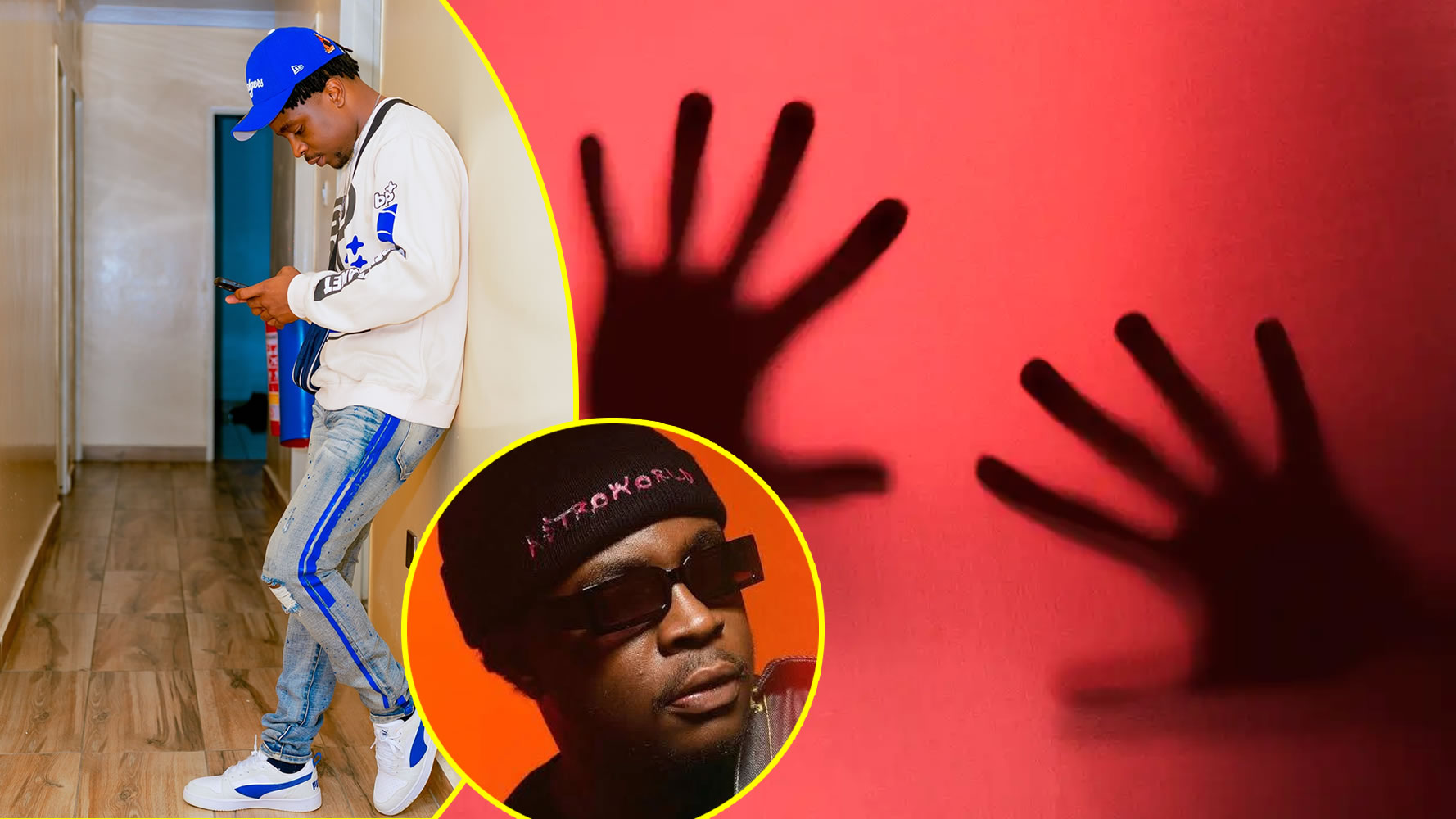
Unmasking the Icon: Holy Ten Rape Scandal Exposes Deeper Cracks in Zimbabwe’s Celebrity Culture
Harare – The glittering facade of Zimbabwe’s music industry has been profoundly shaken by the arrest of hip-hop sensation Holy Ten, whose real name is Mukudzei Chitsama, on grave allegations of raping a 14-year-old girl. The incident, which initially unfolded in a shroud of secrecy, has ignited a national conversation about celebrity accountability, the exploitation of young talent, and the pervasive dangers lurking within digital spaces.
For nearly 48 hours, the news of a “popular musician” being detained circulated widely, yet the police notably withheld his name. This delay, initially attributed to protecting the victim’s identity, has since raised serious questions about potential behind-the-scenes deliberations, particularly given Holy Ten’s high-profile status and past political affiliations.
The Unveiling: A Calculated Delay?
Insiders suggest that the initial hesitation to name Holy Ten was a calculated move to gauge public sentiment and manage potential public relations fallout for his associates. The silence from official channels fuelled a flurry of social media speculation, creating a vacuum filled with rumours and conjecture. When the details finally emerged, it was revealed that the alleged incident took place in the Hatfield area of Harare.
This delay in naming the accused has drawn criticism, with many questioning whether justice is truly blind in Zimbabwe, especially when influential figures are involved. The public is now watching closely to see if the law will hold a national icon to the same standards as any other citizen, or if “celebrity protection” will continue to shield the influential from the consequences of their actions.
A Lure of Fame: Social Media as a Hunting Ground
The victim, a minor, reportedly met Holy Ten on social media. She was allegedly lured with the promise of featuring in one of his music videos – a tactic that, according to the provided information, is commonly used in the industry to exploit young, aspiring talent. This highlights a disturbing trend where the allure of fame and opportunity can be weaponised by predatory figures.
The 14-year-old girl was staying in South Africa when she first connected with Holy Ten. She had just returned home from South Africa when the alleged incident occurred. On the day of the alleged crime, she called Holy Ten around 3 pm, expressing her desire to visit the studio. She arrived at Avondale, where Holy Ten was recording, accompanied by a friend. After he finished his recording session, her friend departed, while the teenager and Holy Ten proceeded to his house in Hatfield, ostensibly to “record videos”.
It was at his Hatfield residence that Holy Ten allegedly raped her once, without protection, in his bedroom. Sources indicate that other individuals were present in the house at the time, though in different rooms. Holy Ten is alleged to have locked his bedroom door before the assault. Following the incident, he reportedly hired a taxi for the teenager, who then returned home. Upon her arrival, she confided in her aunt about the abuse, which led to Holy Ten’s subsequent arrest. National police spokesperson Commissioner Paul Nyathi confirmed the arrest.
The Dark Underbelly of Celebrity Culture
This case starkly exposes the dark underbelly of Zimbabwe’s celebrity culture, where social media platforms, intended for connection, are increasingly being used as hunting grounds for predators disguised as mentors. The unmasking of Holy Ten is not merely a legal matter; it represents a cultural reckoning for a nation that has often overlooked the excesses of its superstars.
The role of social media platforms as unchecked spaces for grooming minors is now under intense scrutiny. There are growing calls for stricter digital safety laws to protect young people from predatory figures who exploit their verified status and influence for manipulation. Zimbabwe has been actively developing an Online Child Protection Policy aimed at regulating social media use for minors, with discussions around potentially banning access for children under 18 to safeguard them from harmful content, cyber-bullying, online exploitation, and digital grooming. These legislative efforts underscore the urgent need for robust frameworks to ensure online safety for the youth.
Holy Ten’s Controversial Past and Political Connections
Mukudzei Chitsama, known as Holy Ten, has a history marked by controversial episodes. He has often been accused of using controversy to “fuel” his career and maintain relevance within the music industry. His past includes numerous public feuds with fellow musicians. For instance, he once publicly disparaged fellow artist Takura, stating that fans had long “forgotten” him. This attack was widely criticised as unnecessary and insensitive, especially given Takura’s recent recovery from drug and substance abuse.
Furthermore, Holy Ten has even threatened to “end” the career of prominent musician Winky D, whom he labelled a “snake,” accusing him of deception and manipulation during an online television interview. He also publicly criticised Jah Prayzah and clashed with Voltz JT.
Beyond his musical rivalries, Holy Ten’s political affiliations have also been a source of contention. He is known for his vocal support of certain establishment figures and has been associated with the ruling ZANU-PF party. This political alignment has drawn both support and criticism, raising questions about political tolerance within Zimbabwe’s artistic community. Some reports suggest that his involvement with ZANU-PF was an attempt to “clean Mnangagwa’s image,” only for him to later feel used and discarded. These political connections are believed by some to have played a role in the initial delay in naming him after his arrest, as authorities may have sought to manage the public perception of a figure linked to the political establishment.
A Broader Pattern of Exploitation
The Holy Ten case is not an isolated incident but rather a stark reminder of the broader issues of exploitation within the Zimbabwean music industry. Female musicians, in particular, have spoken out about the challenges they face in achieving success without encountering controversy or exploitation. There is a recognised need for musicians in Zimbabwe to understand and adhere to child protection policies to safeguard vulnerable individuals.
Zimbabwe has a history of addressing sexual abuse and exploitation of children, with laws in place to combat serious offences like rape and aggravated indecent assault. However, the prevalence of such issues, as highlighted by UNICEF Goodwill Ambassador Priyanka Chopra’s dismay over child sexual violence in Zimbabwe, indicates that significant challenges remain. The current scandal serves as a critical juncture for the nation to confront these deep-seated problems and ensure that the entertainment industry, and society at large, becomes a safer environment for its youth.
The Path Forward: Accountability and Protection
As Holy Ten’s case proceeds to court, the focus remains on accountability. The outcome will undoubtedly set a precedent for how similar cases involving public figures are handled in Zimbabwe. Beyond the legal proceedings, there is an urgent need for comprehensive measures to protect minors from online grooming and exploitation.
This includes not only the implementation and enforcement of stricter digital safety laws but also increased awareness campaigns for young people and their guardians about the risks associated with online interactions with strangers, particularly those in positions of influence. The music industry itself must also undertake a critical self-assessment, fostering environments where talent is nurtured ethically and where exploitation has no place.
The Holy Ten scandal is a grim reminder that the glitz and glamour of the music industry can often mask a culture of exploitation where the most vulnerable members of society are sacrificed at the altar of fame. It is a call to action for all stakeholders – law enforcement, policymakers, industry leaders, and the public – to work collaboratively towards a future where artistic aspirations are pursued in safety and dignity.