


Bulawayo-Beitbridge Highway: A Road Stained by Tragedy
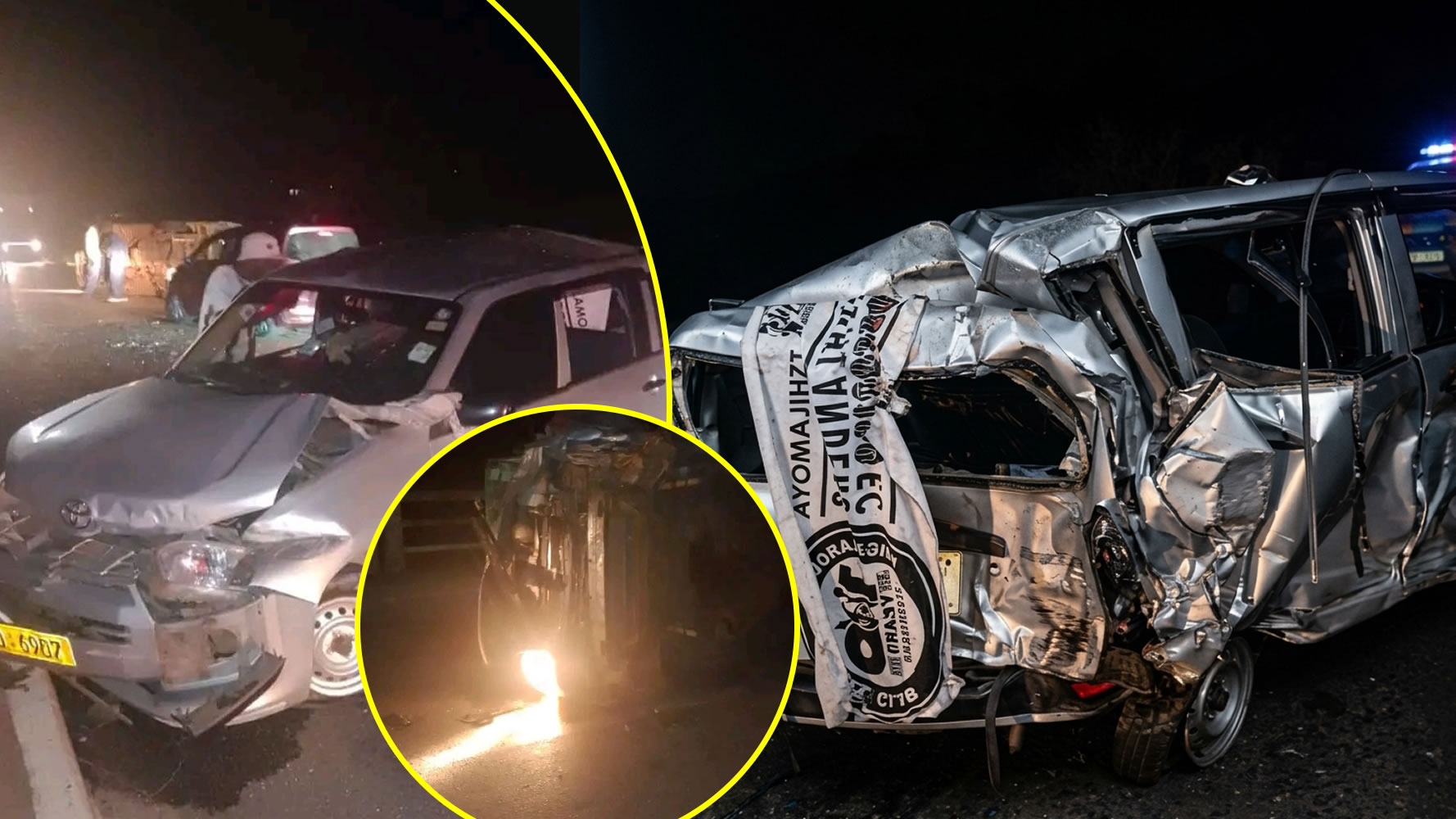
MAWABENI – The Bulawayo-Beitbridge highway, a vital link connecting Zimbabwe to its southern neighbour, has once again been marred by profound sorrow. A horrific pile-up at Mawabeni on Friday, 3rd April 2026, claimed the lives of seven individuals, reigniting pressing concerns about road safety, the integrity of infrastructure, and the persistent issue of driver negligence on one of the nation’s busiest routes.
This investigative report delves beyond the immediate headlines, seeking to understand the underlying causes of this catastrophic accident. We will meticulously examine preliminary police reports, eyewitness accounts, and expert analyses of the crash site to reconstruct the sequence of events. Was it a case of reckless driving, mechanical failure, or perhaps a design flaw in the road itself? The article will explore the historical context of accidents on this particular stretch of highway, identifying any recurring patterns or known hazards that may have contributed to this latest tragedy. We will also scrutinise the efficacy of current road safety measures, including the enforcement of traffic laws, vehicle maintenance standards, and the adequacy of emergency response services. Furthermore, this piece will shed light on the human cost of such disasters, sharing the stories of the victims and their families, and the profound impact on communities. We will also investigate the broader economic implications of road accidents, from healthcare burdens to lost productivity. This is not merely a report on a single incident; it is a deep dive into a systemic problem that continues to plague Zimbabwean roads, demanding urgent attention and comprehensive solutions. By uncovering the hidden details and systemic failures, we aim to contribute to a national conversation that prioritises the safety of every road user and prevents future avoidable deaths.
The Fateful Night at Mawabeni
The tragic events unfolded on Friday, 3rd April 2026, at approximately 22:00 hours, at the 57-kilometre peg along the Bulawayo-Beitbridge Road, in the vicinity of Mawabeni Business Centre. The Zimbabwe Republic Police (ZRP) confirmed the fatal road traffic accident, detailing a grim sequence of events that led to the loss of seven lives.
The initial incident involved a Nissan March vehicle, carrying three passengers, which was struck from behind by a Toyota Probox. Both vehicles came to a halt in the roadway, their occupants disembarking to assess the damage. This common, yet perilous, practice of stopping on a busy highway set the stage for the subsequent disaster.
According to Zachariah Jusah, the Matabeleland South Provincial Civil Protection Committee chairperson, a third vehicle, a Toyota Baby Quantum (a commuter omnibus), then approached the scene at high speed. It collided with the gathering of people, injuring three individuals. The chaos was far from over.
Moments later, a speeding haulage truck, travelling towards Bulawayo, ploughed into the stationary vehicles and the growing crowd of pedestrians and onlookers. The impact was devastating. Five people were killed instantly at the scene, while two others succumbed to their injuries upon admission to Esigodini District Hospital. The ZRP stated that more details would be released in due course.
Among the confirmed fatalities, social media reports identified one victim as Lizzy “Mai Tadiwa” Sitole. While some initial reports linked a person of the same name to a different accident in Chegutu, Zim Citizen News specifically connected Lizzy “Mai Tadiwa” Sitole to the Mawabeni tragedy, highlighting the immediate and personal impact of such incidents on families and communities.
A Recurring Nightmare on Zimbabwean Roads
The Bulawayo-Beitbridge highway has long been identified as a high-risk corridor, notorious for its frequent and often fatal accidents. The Mawabeni area, in particular, has gained a grim reputation as a black spot, a stretch of road where tragedies seem to recur with alarming regularity. This latest incident serves as a stark reminder of the persistent dangers faced by motorists and pedestrians alike on this critical artery.
Road safety statistics in Zimbabwe paint a concerning picture. The festive season of 2025 alone saw 87 fatal accidents, resulting in 100 deaths. In 2024, the country recorded over 2,000 road traffic accident deaths and more than 10,000 injuries. The second quarter of 2025 witnessed a 19.8 percent increase in road traffic accidents compared to the first quarter, with 15,350 accidents reported. These figures underscore a systemic problem that goes beyond individual incidents.
Investigations into road accidents in Zimbabwe consistently point to human error as the primary cause, accounting for over 90 percent of all incidents. Factors such as speeding, reckless driving, driving under the influence of alcohol or drugs, and failure to observe traffic regulations are frequently cited. However, the state of the country’s road infrastructure also plays a significant role. Potholes, inadequate road markings, and a lack of proper lighting, especially in rural and semi-urban areas, contribute to hazardous driving conditions. The absence of proper signage and emergency lay-bys further exacerbates the risks, particularly at accident scenes where onlookers often gather, inadvertently placing themselves in harm’s way.
The Broader Context of Road Safety Initiatives
Ironically, the Mawabeni tragedy occurred just two days after the Minister of Transport and Infrastructural Development, Honourable Felix Mhona, launched the 2026 Easter and Independence Road Safety Awareness and Enforcement Campaign. This initiative, designed to enhance road safety during periods of increased travel, aims to target drivers under the influence and promote adherence to traffic laws. The timing of the Mawabeni accident highlights the urgent need for such campaigns, but also suggests that current efforts may not be sufficient to curb the rising tide of road fatalities.
Furthermore, the African Road Safety Charter, a continental and legally-binding framework aimed at improving road safety across Africa, came into force on 12th March 2026. While this represents a significant step towards a coordinated approach to road safety on the continent, its impact on the ground in countries like Zimbabwe remains to be seen. The challenge lies not only in enacting policies but also in their effective implementation and enforcement.
The Human and Economic Toll
Beyond the statistics and policy discussions, the Mawabeni pile-up represents an immense human tragedy. Seven lives were abruptly ended, leaving behind grieving families and shattered communities. Each victim was a son, a daughter, a parent, a friend, whose absence will be deeply felt. The sharing of Lizzy “Mai Tadiwa” Sitole’s name on social media, even amidst the confusion of multiple reports, underscores the human face of these statistics.
The economic implications of such accidents are also substantial. Road traffic accidents place a heavy burden on the healthcare system, requiring emergency services, hospital care, and long-term rehabilitation for the injured. They also result in lost productivity, both from fatalities and from injuries that incapacitate individuals, impacting livelihoods and national development. The costs associated with vehicle damage, investigations, and legal proceedings further add to the economic strain.
A Call for Comprehensive Solutions
The Mawabeni tragedy is a stark reminder that road safety is a shared responsibility. It demands a multi-faceted approach involving government, law enforcement, civil society, and individual road users. There is an urgent need for:
- Enhanced Enforcement: Stricter enforcement of traffic laws, particularly against speeding and reckless driving, is paramount.
- Infrastructure Improvement: Investment in road maintenance, proper signage, and adequate lighting, especially on known black spots like Mawabeni, is crucial.
- Public Awareness Campaigns: Continuous and impactful public awareness campaigns are needed to educate drivers and pedestrians about road safety, the dangers of stopping at accident scenes, and the importance of defensive driving.
- Vehicle Roadworthiness: Regular and stringent inspections to ensure vehicle roadworthiness, especially for public transport and haulage trucks, are essential.
- Rapid Emergency Response: Improving the efficiency and reach of emergency response services can significantly reduce fatalities and injuries.
The Bulawayo-Beitbridge highway, like many other roads in Zimbabwe, should be a conduit for progress, not a site of recurring tragedy. The seven lives lost at Mawabeni must serve as a catalyst for genuine and lasting change, ensuring that the safety of every road user becomes an unequivocal priority.